When people think of farmland, they often picture lush green fields, fruit orchards, and fresh harvests. However, farmland is much more than a place where crops are grown. It is a thriving ecosystem that supports an incredible variety of wildlife. Around Mysore, farmlands are home to colourful butterflies, singing birds, hardworking bees, earthworms, frogs, and many other fascinating creatures that contribute to a healthy and productive environment.
The presence of wildlife is not just a pleasant sight—it is a sign of a balanced ecosystem. Every bird, insect, and animal plays an important role in maintaining soil health, controlling pests, pollinating crops, and preserving biodiversity. This harmonious relationship between agriculture and nature makes Mysore’s farmland an ideal destination for sustainable farming and peaceful countryside living.
Farmland: A Living Ecosystem
Healthy farmland is much more than cultivated land. It is a living ecosystem where plants, insects, birds, and microorganisms work together to create a naturally balanced environment.
Unlike urban landscapes, farms with trees, flowering plants, and water sources attract a wide range of wildlife. These natural visitors help farmers maintain healthier crops without relying heavily on chemical pesticides or artificial methods.
The more diverse the wildlife, the healthier the farmland becomes.
Butterflies – Nature’s Colourful Pollinators
Butterflies are among the most beautiful visitors to Mysore’s farmland. Their vibrant colours brighten orchards and gardens while serving an important ecological purpose.
As butterflies move from flower to flower in search of nectar, they transfer pollen between plants, helping many fruits, vegetables, and flowering trees reproduce successfully.
A farm filled with butterflies usually indicates:
- Healthy flowering plants
- Reduced pesticide usage
- Clean air and water
- Rich biodiversity
Their presence reflects an environment where nature is thriving.
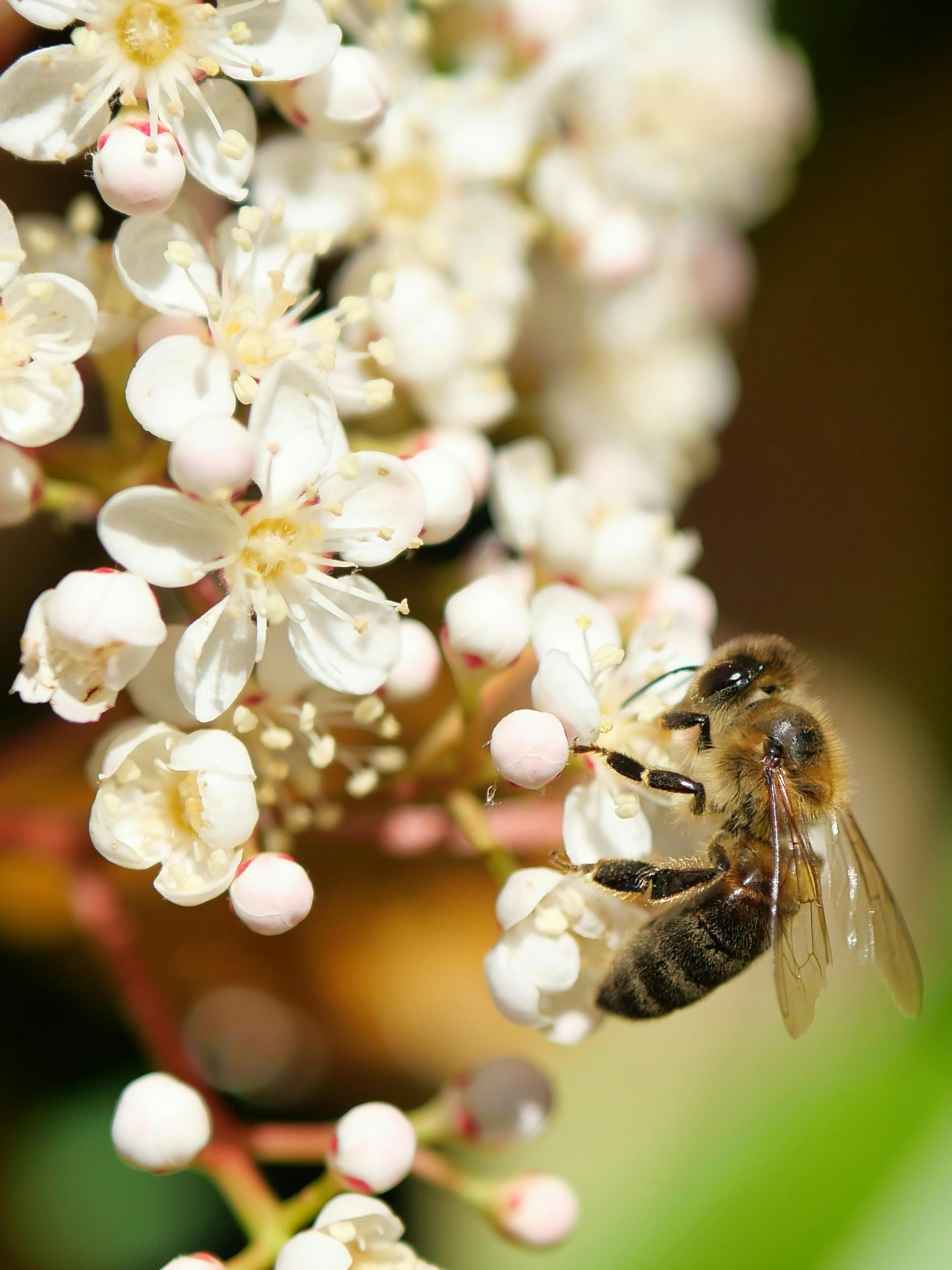
Bees – The Tiny Workers Behind Every Harvest
Bees are some of the most valuable creatures on any farm. Although small, they are responsible for pollinating many crops that humans depend upon for food.
Fruit trees such as mango, guava, jackfruit, avocado, and many flowering vegetables benefit greatly from bee pollination. Without bees, crop yields can decline significantly.
Farmers who protect bee populations often enjoy:
- Better fruit production
- Improved crop quality
- Higher agricultural productivity
- Stronger biodiversity
Planting flowering species and avoiding unnecessary pesticide use helps maintain healthy bee populations throughout the year.
Birds – Nature’s Pest Controllers
Early mornings on Mysore farmland are often filled with the pleasant sounds of birds singing among the trees.
Birds do far more than add beauty to the landscape. Many species feed on insects, caterpillars, and pests that would otherwise damage crops.
Common farmland birds also help by:
- Spreading seeds
- Maintaining ecological balance
- Supporting natural pest control
- Indicating a healthy environment
Rather than relying solely on chemical pest management, farms that encourage bird populations often experience a healthier agricultural ecosystem.
Earthworms – The Silent Soil Engineers
Hidden beneath the soil surface, earthworms quietly perform one of nature’s most valuable jobs.
As they tunnel through the ground, they improve soil aeration, allowing roots to breathe more easily. Their movement also enhances water infiltration, reducing runoff during rainfall.
Earthworms naturally convert organic matter into nutrient-rich compost, enriching the soil and supporting stronger plant growth.
Their presence is one of the clearest signs of fertile, healthy farmland.
Frogs – Natural Guardians Against Insects
Although often overlooked, frogs are incredibly beneficial to agriculture.
They feed on mosquitoes, flies, beetles, and other insects that may harm crops or become a nuisance around farms.
A healthy frog population usually indicates:
- Clean water sources
- Low chemical pollution
- Balanced ecosystems
- Good environmental quality
Protecting ponds, wetlands, and natural water bodies helps maintain these valuable amphibians.
Dragonflies and Ladybugs – Tiny Protectors of Crops
Dragonflies are expert hunters that feed on mosquitoes and other flying insects. Ladybugs, meanwhile, consume aphids and soft-bodied pests that damage vegetables and fruit crops.
These beneficial insects naturally reduce pest populations without harming the environment.
Encouraging native plants and reducing pesticide use allows these natural protectors to flourish, creating a healthier farming system.
Native Trees Create Wildlife Habitats
Many farms around Mysore include native trees such as neem, tamarind, jackfruit, mango, honge, and banyan.
These trees provide:
- Shelter for birds
- Nectar for bees
- Food for butterflies
- Nesting sites
- Shade for animals
- Improved soil health
Native vegetation forms the backbone of a thriving farmland ecosystem, supporting countless species throughout the year.
Why Biodiversity Matters
Biodiversity refers to the variety of living organisms within an ecosystem.
A biodiverse farm is generally more resilient because different species perform different ecological functions.
Healthy biodiversity helps by:
- Improving pollination
- Reducing pest outbreaks
- Enhancing soil fertility
- Conserving water
- Supporting natural nutrient cycles
- Increasing climate resilience
Rather than depending entirely on artificial inputs, biodiversity allows nature to perform many essential farming tasks naturally.
Wildlife and Sustainable Farming Go Hand in Hand
Sustainable farming is about producing food while protecting the environment for future generations.
Wildlife plays an essential role in achieving this balance.
Farmers can encourage biodiversity by:
- Planting native trees
- Creating flowering borders
- Maintaining small ponds
- Practicing organic farming
- Using drip irrigation
- Reducing unnecessary pesticide use
- Preserving natural habitats
These practices create farms that are productive, environmentally friendly, and enjoyable places to spend time.
A Peaceful Experience for Farmland Owners
Owning farmland around Mysore offers more than agricultural opportunities. It provides a chance to reconnect with nature.
Imagine beginning your morning with birdsong, watching butterflies flutter through flowering plants, hearing bees gently buzzing among fruit trees, and enjoying cool evenings surrounded by greenery.
For families, children, and nature lovers, farmland becomes an outdoor classroom where every season brings new experiences and discoveries.
This connection with nature is one of the greatest rewards of owning sustainable farmland.
Conclusion
The wildlife found on farmland around Mysore is far more than a beautiful backdrop—it is a vital part of a healthy agricultural ecosystem. Butterflies pollinate flowers, bees improve harvests, birds control pests, earthworms enrich the soil, frogs reduce insect populations, and native trees provide shelter for countless species.
Together, these natural partners create productive farms that support biodiversity, improve sustainability, and preserve the environment for future generations.
At Nature N Me, we believe that farmland should be a place where agriculture and nature thrive together. By protecting wildlife and embracing sustainable farming practices, we can create landscapes that nourish both people and the planet while leaving a greener legacy for generations to come.