
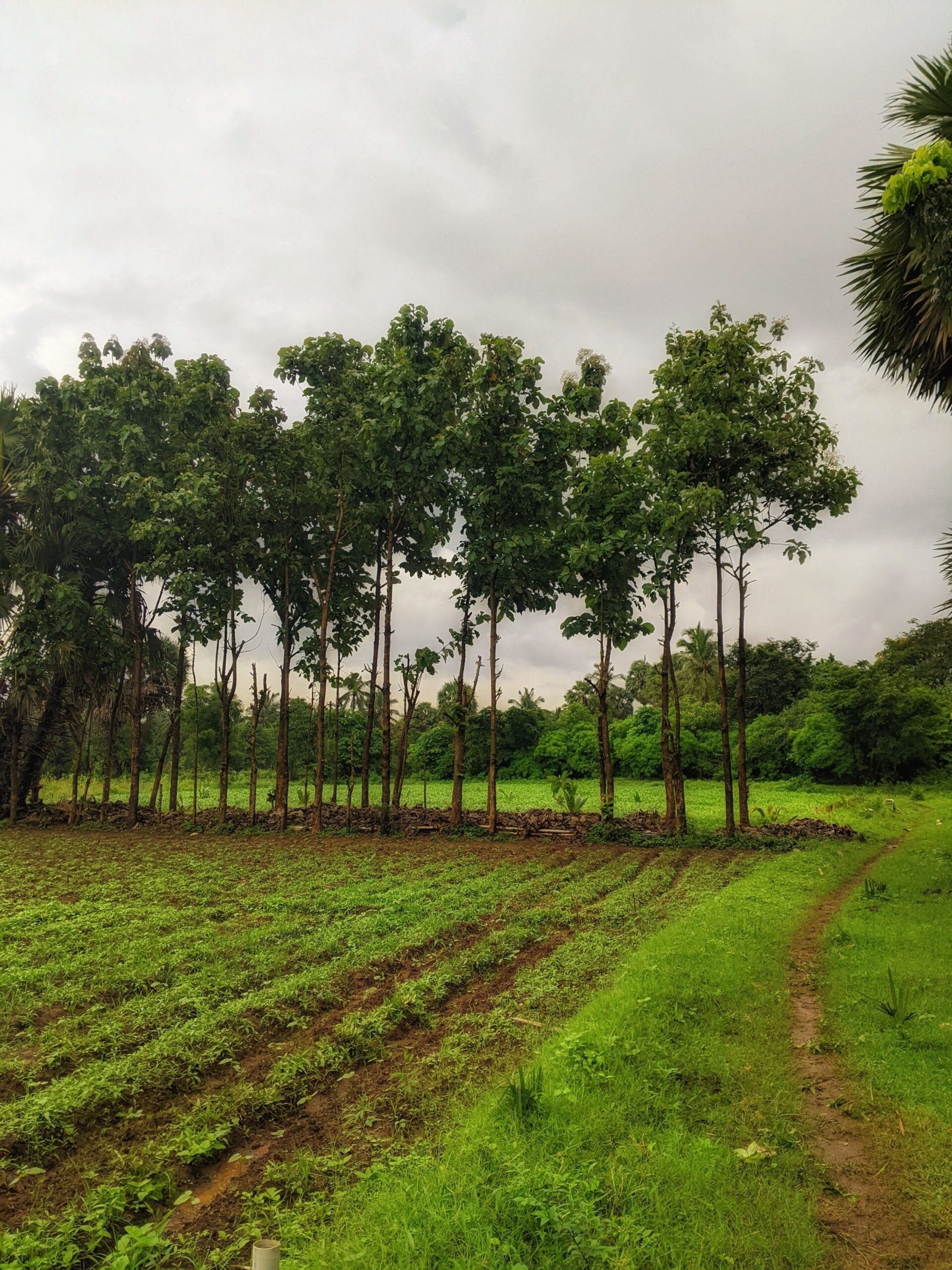
Agriculture is constantly evolving as farmers look for smarter ways to improve productivity while protecting the environment. One farming method that has gained significant attention in recent years is agroforestry. Instead of growing only crops or maintaining separate tree plantations, agroforestry combines trees, crops, and sometimes livestock on the same piece of land.
This integrated approach offers numerous environmental, economic, and social benefits. In a region like Mysore, where the climate is favourable, rainfall is dependable, and the soil is fertile, agroforestry has become an ideal farming system for creating productive and sustainable farmland.
Whether you are an experienced farmer or someone exploring farmland ownership, understanding agroforestry can help you appreciate how nature and agriculture work together to create long-term value.
What is Agroforestry?
Agroforestry is a land management system where trees and agricultural crops are cultivated together in a planned manner. Rather than competing for space, both components complement each other.
Trees provide shade, improve soil fertility, reduce wind damage, and help conserve water, while crops generate regular harvests and income throughout the year.
Unlike monoculture farming, where only one crop is grown repeatedly, agroforestry creates a diverse ecosystem that is healthier, more resilient, and better equipped to withstand changing weather conditions.
Why Mysore is Ideal for Agroforestry
Mysore offers several natural advantages that make agroforestry highly successful.
The region enjoys moderate temperatures, seasonal rainfall, and fertile soils that support a wide variety of crops and tree species. These favourable conditions allow farmers to establish mixed farming systems without placing excessive stress on natural resources.
Additionally, Mysore’s growing focus on sustainable agriculture encourages farming methods that protect biodiversity while improving long-term productivity.
Improving Soil Health Naturally
Healthy soil is the foundation of successful farming, and agroforestry plays a vital role in maintaining it.
Trees continuously shed leaves, twigs, and organic matter, which decompose naturally and enrich the soil with nutrients. Their deep roots bring minerals from lower soil layers to the surface, making them available for surrounding crops.
The presence of trees also reduces soil erosion by holding the soil firmly in place during heavy rains. This prevents valuable topsoil from washing away and helps retain soil fertility for many years.
As a result, farmers often experience healthier crops and improved yields without relying heavily on chemical fertilizers.
Better Water Conservation
Water availability is one of the biggest concerns in modern agriculture. Agroforestry naturally improves water conservation in several ways.
Tree roots help rainwater penetrate deeper into the soil, increasing groundwater recharge. Their canopy reduces direct sunlight on the ground, minimizing evaporation and helping the soil retain moisture for longer periods.
When combined with drip irrigation and mulching, agroforestry creates an efficient farming system that uses water wisely while supporting healthy crop growth.
This becomes especially valuable during dry seasons when water resources may be limited.
Multiple Sources of Income
One of the greatest advantages of agroforestry is income diversification.
Instead of depending on a single crop, farmers can generate earnings from different sources throughout the year.
For example:
- Fruit trees produce seasonal harvests.
- Timber trees create long-term wealth.
- Spice crops generate regular income.
- Vegetables provide quick returns.
- Medicinal plants offer niche market opportunities.
- Honey production becomes possible through healthy pollinator populations.
This diversified approach reduces financial risk because poor performance in one crop may be balanced by income from other farm products.
Popular Trees for Agroforestry in Mysore
Several tree species perform exceptionally well in Mysore’s climate.
Some commonly grown trees include:
- Sandalwood
- Mango
- Jackfruit
- Coconut
- Bamboo
- Silver Oak
- Neem
- Tamarind
- Honge (Indian Beech)
These trees not only contribute economically but also improve the ecological balance of the farm.
When selected carefully, they can coexist successfully with coffee, vegetables, spices, pulses, and fruit crops.
Supporting Biodiversity
Agroforestry creates a living ecosystem where plants, birds, insects, and animals thrive together.
Flowering trees attract bees and butterflies, which improve pollination and increase crop production. Birds naturally control insect populations, reducing dependence on pesticides.
Earthworms and beneficial microorganisms enrich the soil, while native vegetation provides shelter for many forms of wildlife.
A biodiverse farm is generally healthier, more resilient, and better prepared to withstand environmental changes.
Climate Change and Carbon Storage
Trees play an important role in addressing climate change.
They absorb carbon dioxide from the atmosphere and store carbon within their trunks, branches, roots, and surrounding soil. This process helps reduce greenhouse gases while improving air quality.
Agroforestry also creates cooler microclimates that protect crops from excessive heat and strong winds.
As climate variability continues to affect agriculture worldwide, farming systems that include trees are becoming increasingly valuable.
Agroforestry is Ideal for Long-Term Farmland Ownership
Many farmland buyers today are looking beyond immediate profits. They want land that remains productive for decades while contributing positively to the environment.
Agroforestry supports this vision by creating farms that improve naturally over time.
Tree plantations increase the ecological and aesthetic value of farmland, while diversified cropping systems generate regular agricultural income. Families also benefit from greener surroundings, cleaner air, and a stronger connection with nature.
For investors, agroforestry offers both financial potential and environmental responsibility.
The Future of Farming in Mysore
Agriculture is moving toward methods that balance productivity with sustainability. Agroforestry represents one of the most effective ways to achieve this balance.
As awareness of soil conservation, biodiversity, and climate resilience grows, more farmers are adopting integrated farming systems that combine trees with crops.
Mysore’s natural advantages make it an excellent location for this approach, ensuring that farms remain productive while protecting valuable natural resources.
Conclusion
Agroforestry is much more than planting trees alongside crops. It is a holistic farming system that improves soil fertility, conserves water, supports biodiversity, diversifies income, and strengthens resilience against climate change.
For anyone considering farmland in Mysore, agroforestry demonstrates how thoughtful land management can benefit both people and the environment. By integrating trees into agricultural landscapes, farmers create healthier ecosystems while building long-term value for future generations.
At Nature N Me, we believe that farmland should nurture both nature and livelihoods. Agroforestry reflects this vision perfectly, offering a sustainable path toward productive farming and responsible land stewardship.