
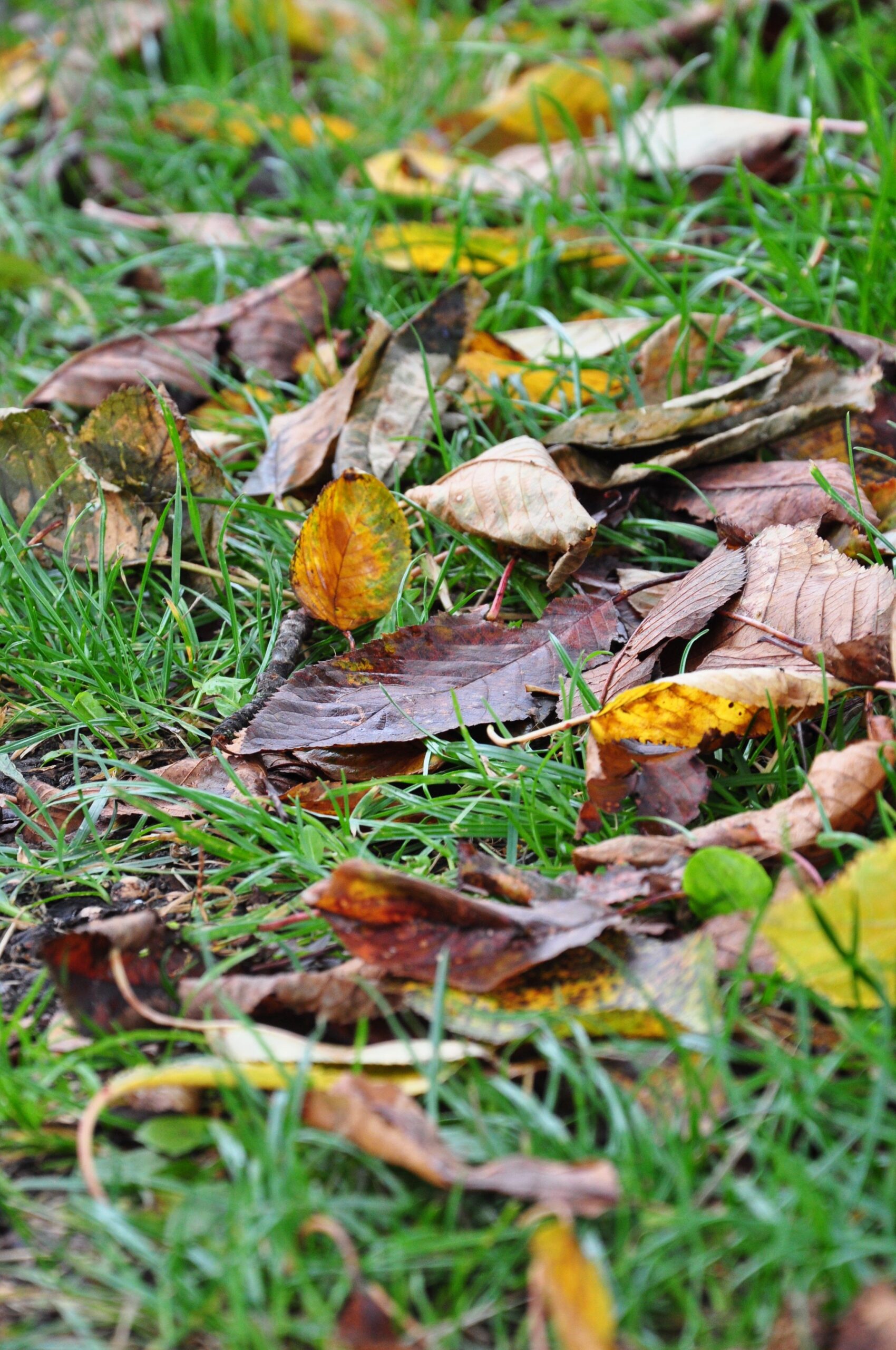
In many gardens and farms, fallen leaves are often viewed as waste that needs to be swept away. However, in nature, these leaves are far from useless. They are part of a remarkable cycle that nourishes the soil, supports countless living organisms, and helps forests and plantations remain healthy year after year.
Walk through a coffee plantation in Coorg, and you’ll notice a soft layer of dry leaves covering the ground beneath the trees. This natural blanket is not neglected debris—it is one of the most effective fertilizers nature has ever created.
The Beginning of Nature’s Recycling Process
When leaves fall from trees, they begin a slow journey of decomposition. Rain, moisture, fungi, bacteria, earthworms, and tiny insects gradually break the leaves into smaller particles.
As decomposition continues, valuable nutrients such as nitrogen, potassium, phosphorus, calcium, and magnesium are released back into the soil. These nutrients become available for nearby plants and trees, completing nature’s recycling process.
Instead of removing nutrients from the ecosystem, fallen leaves return them to the earth where they are needed most.
Protecting the Soil
One of the greatest benefits of leaf litter is its ability to protect the soil surface.
During hot weather, the layer of leaves acts as natural mulch, reducing evaporation and helping the soil retain moisture. This keeps plant roots cooler and reduces the need for frequent watering.
During heavy rains, the leaves soften the impact of raindrops, preventing soil erosion and reducing nutrient loss. The ground remains stable, allowing water to soak in gradually rather than washing valuable topsoil away.
Creating a Home for Tiny Life
A layer of fallen leaves becomes a thriving habitat for countless organisms. Earthworms, beetles, ants, fungi, and beneficial microbes all depend on this organic material for food and shelter.
These tiny creatures continue the process of breaking down leaves while improving soil structure through their natural activities. Their work creates fertile, well-aerated soil that supports healthy root growth.
The richer the underground ecosystem, the healthier the plants growing above it.
Improving Soil Fertility Naturally
As leaves decompose, they form humus—a dark, nutrient-rich organic matter that greatly improves soil quality.
Humus increases the soil’s ability to hold water, improves its texture, and encourages stronger root development. It also supports beneficial microorganisms that help plants absorb nutrients more efficiently.
Unlike synthetic fertilizers, which provide nutrients for a short period, humus continues to improve the soil over many years, creating long-term fertility.
Why Coffee Plantations Benefit
In shade-grown coffee plantations, fallen leaves play an especially important role. Trees naturally shed their leaves throughout the year, continuously adding fresh organic matter to the plantation floor.
This natural mulch reduces weed growth, conserves moisture during dry periods, and provides a steady supply of nutrients for coffee plants. Farmers who preserve leaf litter instead of removing it often find that their soils remain healthier and more productive over time.
It is a simple yet powerful example of nature supporting agriculture without waste.
A Lesson from Nature
Modern farming increasingly recognises the value of working with natural processes instead of against them. Fallen leaves remind us that nothing in nature is truly wasted. Every leaf that falls contributes to the next season’s growth, creating a continuous cycle of renewal.
Rather than seeing fallen leaves as something to clear away, we can appreciate them as one of the most effective and sustainable fertilizers available.
Conclusion
Fallen leaves are far more than a seasonal sight—they are essential to the health of forests, plantations, and farms. By enriching the soil, conserving moisture, preventing erosion, and supporting countless beneficial organisms, they quietly sustain the ecosystems we depend on.
The next time you walk through a plantation carpeted with leaves, remember that beneath your feet, nature is hard at work. Every leaf is part of a timeless cycle that transforms yesterday’s growth into tomorrow’s harvest, proving that some of the greatest gifts in nature are the ones we often overlook.
Frequently Asked Questions
Q: Why shouldn’t fallen leaves be swept away?
A: Fallen leaves form a natural mulch that decomposes into nutrient-rich organic matter, feeding the soil, retaining moisture, and preventing erosion.
Q: What nutrients do decomposing leaves add to the soil?
A: They release essential nutrients including nitrogen, potassium, phosphorus, calcium, and magnesium.
Q: What is humus and how does it help plants?
A: Humus is dark, decomposed organic material that improves soil texture, boosts water retention, and helps plant roots absorb nutrients more efficiently over time.
Q: How do fallen leaves protect the soil during extreme weather?
A: In hot weather, leaves act as natural mulch to keep roots cool and conserve moisture. During heavy rains, they cushion raindrop impact to prevent topsoil erosion.
Q: Why are fallen leaves beneficial for coffee plantations?
A: Continuous leaf shed creates a natural ground blanket that suppresses weed growth, retains soil moisture, and provides a steady supply of organic nutrients to coffee plants.