
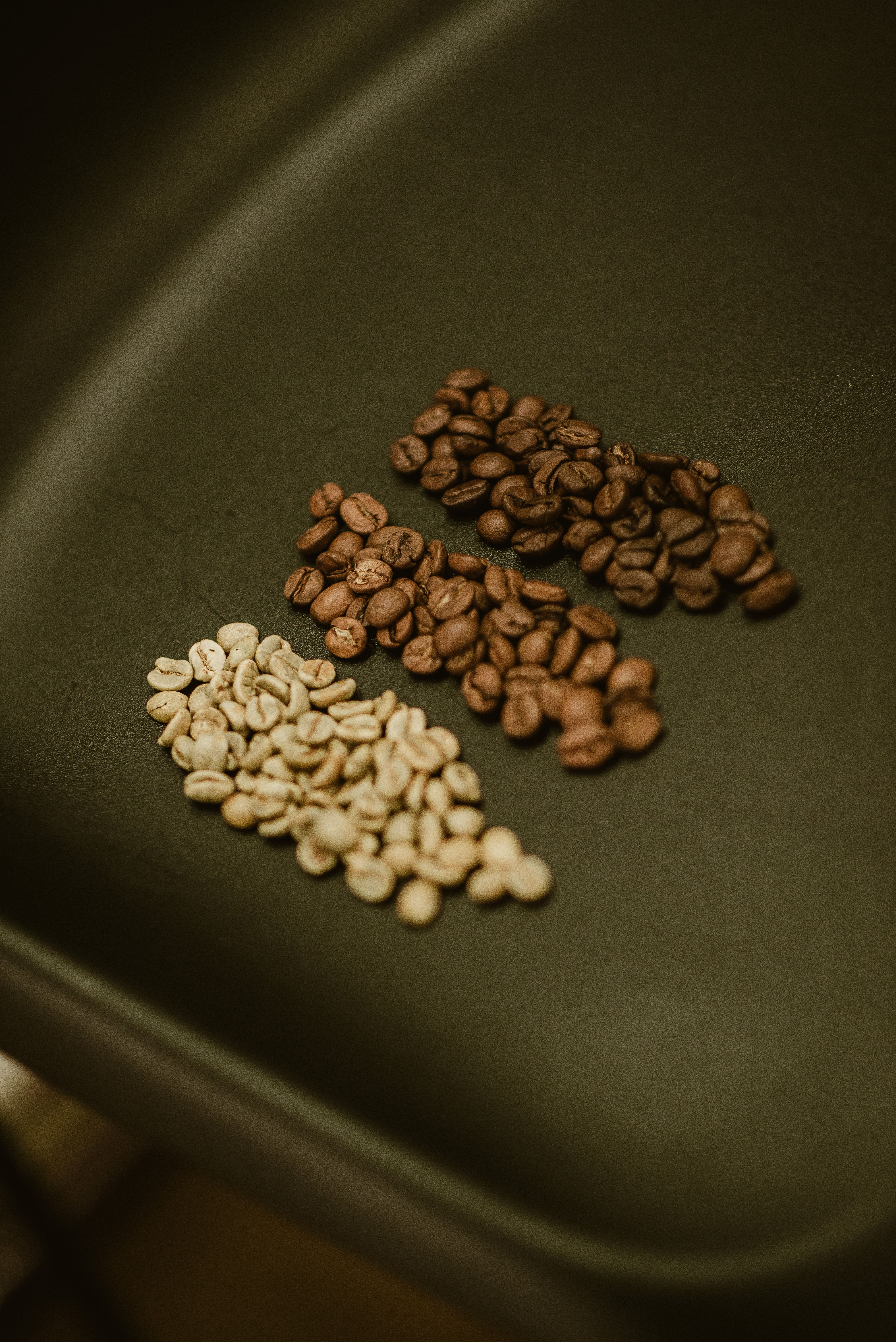
While much of this blog series has focused on Arabica coffee and specialty market premiums — rightly so, given Arabica’s dominant role in Coorg‘s high-value income — a significant portion of the coffee grown in lower-altitude zones of Kodagu is Robusta, and understanding how Robusta enters its primary market destination tells a complete story of what a diversified coffee estate produces and earns.
The Global Instant Coffee Market
Instant coffee — soluble coffee dissolved in hot water — is the dominant coffee format consumed in most of Asia, Eastern Europe, and large parts of Latin America. In India, instant coffee has historically dominated home consumption, with brands like Nescafé and Bru holding household name status. The key ingredient in most instant coffee blends is Robusta — its stronger flavour, higher caffeine content, and better solubility characteristics make it the preferred variety for the freeze-dried and spray-dried production processes used in instant coffee manufacturing.
India’s own instant coffee consumption is large and growing — Hindustan Unilever, Nestlé India, and several smaller manufacturers source Indian Robusta for domestic blending alongside imported beans. This domestic institutional buyer market provides a consistent, year-round demand channel for Robusta coffee produced in Karnataka, including from Coorg’s lower-altitude zones.
How Robusta Coffee Is Processed Differently From Arabica
Unlike Arabica, which is predominantly processed using the wet method — pulping, fermenting, washing, and drying — Robusta in India is more commonly processed using the dry or natural method. Ripe cherries are spread on concrete drying yards or on the ground and allowed to dry in the sun over several weeks, after which the dried cherry husk is removed mechanically to reveal the dried bean inside.
The natural process is less infrastructure-intensive than wet processing — it does not require a pulping machine, fermentation tanks, or washing channels. This lower processing infrastructure requirement is one of the reasons Robusta cultivation on smaller estates is more accessible without significant capital investment in processing equipment.
What Robusta Commands and How It Is Sold
Robusta coffee is typically sold through two main channels from Karnataka estates. The Coffee Board’s e-auction platform accepts Robusta lots from registered estates, with institutional buyers — instant coffee manufacturers and exporters — bidding competitively for certified lots. Direct purchase agreements with processing companies, including the factories of major instant coffee manufacturers in Karnataka, provide a second channel where volumes are larger and pricing is often negotiated on contract terms.
Current Robusta farm-gate prices range from one hundred and fifty to two hundred and fifty rupees per kilogram of dried bean — lower than Arabica’s range but compensated by Robusta’s higher yield per plant. A mature Robusta plant produces two to three kilograms of dried bean per year — approximately double the yield of a well-managed Arabica plant in comparable conditions. On a yield-adjusted basis, the per-plant income gap between Robusta and Arabica is narrower than the per-kilogram price gap suggests.
Robusta on a Coorg Farmland Portfolio
For investors whose plots include lower-altitude sections or who hold land in Virajpet or parts of Somwarpet taluk, Robusta is the relevant coffee crop — and its stable institutional buyer market, higher yield per plant, and lower processing infrastructure requirement make it a reliable, lower-risk component of the overall crop income portfolio compared to the premium-priced but more management-sensitive Arabica.
A farmland portfolio that includes both Arabica plots at higher altitude and Robusta plots at lower altitude benefits from income diversification across both coffee markets — the Arabica premium pricing and the Robusta yield advantage creating complementary income characteristics.