
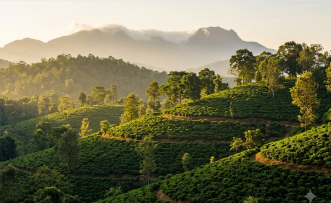
The income that a Coorg farmland generates in 2026 is fundamentally different from what the same land would have generated in 2010 — not because the soil has changed or the crops are different, but because what Indian consumers are willing to pay for food, and what they specifically seek out, has transformed dramatically over fifteen years. Understanding these consumer shifts helps farmland investors see the long-term trajectory of their crop income more clearly — and why the premium pricing channels for Coorg’s output are still expanding rather than maturing.
Specialty Coffee: The Most Visible Shift
The Indian coffee culture has undergone a generational transformation. In 2010, most urban Indians drank instant coffee at home and filter coffee at South Indian restaurants. By 2026, specialty coffee culture — single-origin pour-overs, cold brew, estate-specific Arabica selections — is mainstream in every Indian metro. Third-wave coffee shops have proliferated across Bangalore, Mumbai, Delhi, and Chennai; online specialty roasters ship across the country; home brewing equipment is a common urban household purchase.
This cultural shift translates directly into premium pricing for quality Coorg Arabica. The same beans that would have been sold as commodity coffee in 2010 can now reach specialty buyers who pay thirty to one hundred percent above commodity rates for documented provenance and quality. Coorg farmland owners producing specialty-grade Arabica are supplying a market that did not exist at scale a decade ago and is still growing.
Organic Spices: The Health-Conscious Shift
India’s urban professional class has become significantly more health-conscious over the past decade — a trend accelerated by the COVID period’s focus on nutrition and immunity. Within food, organic and naturally grown spices have moved from a niche health food store product to mainstream availability in premium grocery chains, on quick-commerce platforms, and in the direct-to-consumer channels of small producers.
Organic cardamom from Coorg, pepper from Western Ghats estates, and natural forest honey command two to four times the price of chemically grown commodity equivalents in urban premium channels. For Coorg farmland managed under organic-aligned practices — as Nature N Me’s estates are — this premium is directly accessible. The growing organic market is not a ceiling that has been reached; it is still expanding as more urban consumers make the shift from commodity to premium sourcing.
Exotic Fruit: The Avocado and Beyond Story
As discussed in our avocado farming post, India’s appetite for fruits previously considered exotic — avocado, passion fruit, dragon fruit — has grown dramatically. Avocado has gone from a specialty import used by a handful of restaurants to a mainstream urban food with wide home consumption. Passion fruit, once unusual in urban Indian markets, now appears in premium juice brands, smoothie bars, and supermarket sections across major cities.
For Coorg farmland owners who have integrated these crops — or are considering doing so — the market is genuinely expanding rather than mature. Domestic supply of premium fruit varieties lags demand significantly, creating a pricing environment where well-grown, freshly harvested domestic produce commands prices that imported equivalents cannot match on freshness.
The Provenance Premium: Indian Consumers Paying for Story
Perhaps the most significant trend for Coorg farmland specifically is the emergence of provenance as a purchase driver for Indian food consumers. Urban Indians are increasingly willing to pay a premium for food that comes from a specific, named place — Coorg Arabica, Kodagu pepper, Western Ghats cardamom — rather than anonymous commodity sourced from the cheapest available origin.
This provenance consciousness mirrors what happened in European food culture decades ago — the rise of designated origin products, the premium for Champagne over generic sparkling wine, the value attached to knowing where your cheese was made. Indian consumers are moving in the same direction, and Coorg’s distinctive geographical identity — backed by a formal GI tag for its coffee — positions it well to capture this provenance premium across multiple products.
The farms that will benefit most from this trend are those that can document their provenance, maintain quality consistency, and build direct relationships with urban premium buyers — all of which are facilitated by Nature N Me’s managed farmland model and marketing approach.