
98805 21637 info@naturenme.in

 How Pollinators Increase Farm Productivity Naturally

by | Jun 4, 2026

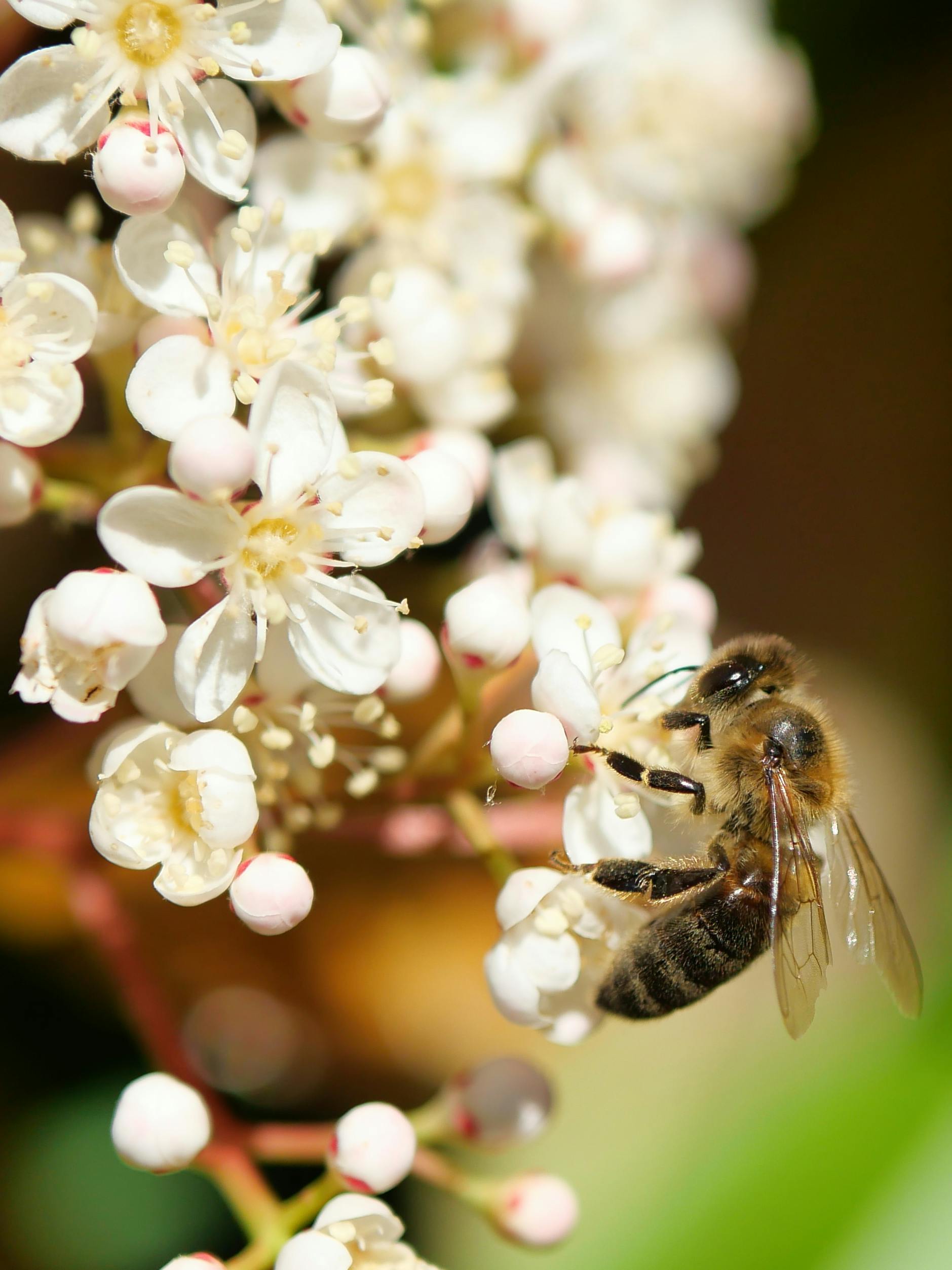
Pollinators—bees, butterflies, beetles, birds, and even some bats—work quietly between flowers, but their impact on farms is huge. A large share of fruit, vegetable, nut, and seed crops depends on animal pollination for good yields and quality.

Even crops that can self-pollinate, like coffee and some oilseeds, often produce more and better-formed fruits when visited by pollinators. This means that healthy populations of bees and other pollinators can raise productivity without adding more fertilizer or expanding land. On a landscape scale, this free service is worth billions of dollars to agriculture every year.

Farmers can support pollinators by keeping flowering weeds or wild strips, planting hedgerows and native trees, reducing pesticide use, and providing nesting sites and clean water. In regions like Coorg, shade coffee systems with mixed tree species already offer excellent habitat, showing how farm design can turn pollinators into powerful natural partners.

Question for you: If you were designing a small demonstration plot to teach visitors about pollinators, what plants and features would you include to make their role visible?

Recent Posts

Agricultural Land Classification Rules in Karnataka

Why Classification Is the First Thing to Check Before evaluating soil quality, crop potential, or expected returns, the single most important question about any land purchase is how it is officially classified under Karnataka's land records. This single detail...

Is Managed Farmland Recession-Proof? A Closer Look

The Question Every Cautious Investor Asks Whenever markets turn volatile, a common question resurfaces: which assets actually hold up during a downturn? Equities and real estate both have well-documented histories of significant declines during recessions. Managed...

Startup Founders and the Case for Managed Farmland

A Portfolio Concentrated in One Bet Startup founders often have a portfolio problem unique to their situation: a significant share of their net worth is tied up in equity in their own company, an asset that is illiquid, hard to value precisely, and entirely dependent...

Farmland Investment for Women Building Wealth

A Shift in Who Is Asking About Land Farmland investment conversations have historically skewed toward male family decision-makers, often the household head managing all major financial decisions. That pattern is changing. More women, particularly working professionals...

Timber and Silvopasture: Long-Term Farmland Income

The Slowest, and Sometimes Most Valuable, Crop Most conversations about farmland income focus on annual or near-annual harvests: coffee, cardamom, pepper, fruit. Timber trees work on an entirely different timescale, often taking 10 to 20 years or more to mature, but...