
98805 21637 info@naturenme.in

Agroforestry Explained: Why Trees and Crops Grow Better Together

by | Jun 4, 2026

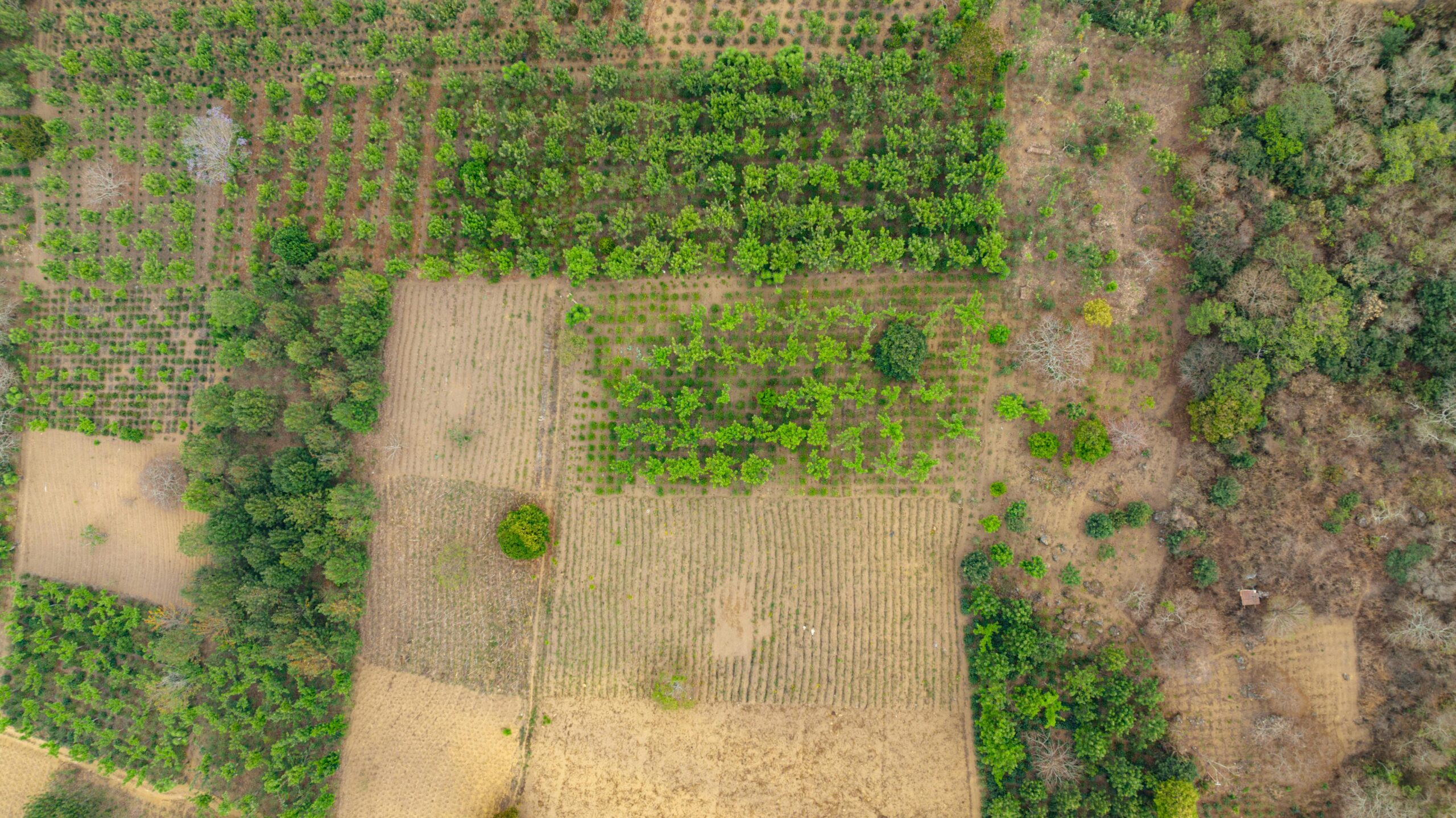
Agroforestry is the practice of growing trees and crops (and sometimes livestock) on the same piece of land in a planned way. In Coorg, shade coffee is a classic example: coffee bushes, pepper vines, fruit trees, and tall shade trees all sharing the same space.

Trees play many roles at once. Their canopy softens harsh sunlight, lowers temperature extremes, and protects crops from heavy rain and wind. Their roots stabilize slopes, reduce soil erosion, and help water seep deeper into the ground instead of just running off the surface.

Falling leaves and small branches become natural fertilizer. As they decompose, they add organic matter and nutrients to the soil, improving its structure and fertility over time. Some agroforestry trees, especially legumes, can even fix nitrogen from the air and enrich the soil, reducing the need for synthetic fertilizers.

Agroforestry also spreads economic risk. On a coffee estate, farmers might harvest coffee, pepper, oranges, bananas, and timber or fuelwood from the same area. If one crop suffers due to disease or low prices, income from other components can help balance things out.

Beyond farm boundaries, tree‑based systems store more carbon than monocrop fields and offer habitat corridors for wildlife, linking patches of forest across the landscape. This makes agroforestry a powerful tool not just for farm productivity, but also for climate mitigation and biodiversity conservation.

Question for you: Thinking of a typical Coorg coffee estate, what mix of trees and crops would you choose to best show readers how agroforestry looks and works in real life?

Recent Posts

Agricultural Land Classification Rules in Karnataka

Why Classification Is the First Thing to Check Before evaluating soil quality, crop potential, or expected returns, the single most important question about any land purchase is how it is officially classified under Karnataka's land records. This single detail...

Is Managed Farmland Recession-Proof? A Closer Look

The Question Every Cautious Investor Asks Whenever markets turn volatile, a common question resurfaces: which assets actually hold up during a downturn? Equities and real estate both have well-documented histories of significant declines during recessions. Managed...

Startup Founders and the Case for Managed Farmland

A Portfolio Concentrated in One Bet Startup founders often have a portfolio problem unique to their situation: a significant share of their net worth is tied up in equity in their own company, an asset that is illiquid, hard to value precisely, and entirely dependent...

Farmland Investment for Women Building Wealth

A Shift in Who Is Asking About Land Farmland investment conversations have historically skewed toward male family decision-makers, often the household head managing all major financial decisions. That pattern is changing. More women, particularly working professionals...

Timber and Silvopasture: Long-Term Farmland Income

The Slowest, and Sometimes Most Valuable, Crop Most conversations about farmland income focus on annual or near-annual harvests: coffee, cardamom, pepper, fruit. Timber trees work on an entirely different timescale, often taking 10 to 20 years or more to mature, but...