
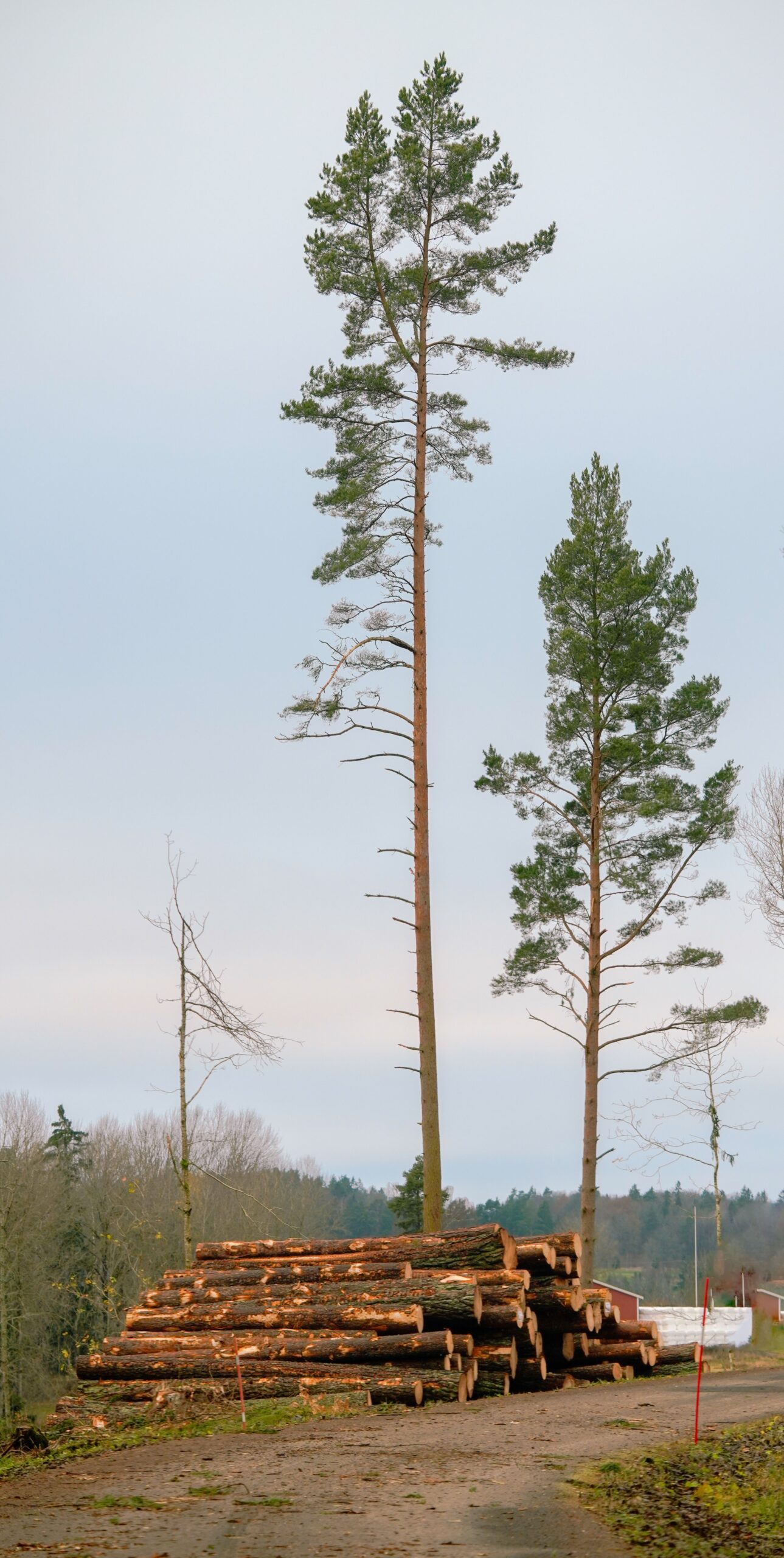
The Slowest, and Sometimes Most Valuable, Crop
Most conversations about farmland income focus on annual or near-annual harvests: coffee, cardamom, pepper, fruit. Timber trees work on an entirely different timescale, often taking 10 to 20 years or more to mature, but they represent a long-horizon asset class within managed farmland worth understanding in its own right.
What Silvopasture Actually Means
Silvopasture refers to a land management system that integrates trees, forage, and sometimes livestock grazing within the same plot. In the context of Coorg’s managed farmland, this typically manifests as timber and shade trees coexisting with coffee, spice crops, and understory vegetation in a single, layered ecosystem rather than separate, isolated plots.
Why Timber Trees Are Planted Alongside Other Crops
Silver oak and similar species are already common in Coorg plantations, primarily serving as shade trees for coffee and support structures for pepper vines. Over a much longer timeframe, these same trees also hold timber value, meaning a single tree can serve a functional purpose for decades before eventually becoming a saleable timber asset.
The Long-Term Value Proposition
Timber value typically accrues slowly over many years as trees mature and gain girth. This is not a crop that generates annual income the way coffee or fruit does. Instead, it functions more like a long-term appreciating asset embedded within your farmland, adding value that compounds quietly over a much longer horizon than other crops.
How This Fits an Investor’s Broader Timeline
Timber and silvopasture components suit investors thinking in multi-decade terms, potentially as part of legacy or retirement planning, rather than those seeking near-term income. It complements the faster-cycling crops on the same plot rather than replacing them, adding a long-horizon layer to an otherwise annual-income-focused investment.
Environmental and Soil Benefits
Beyond eventual timber value, these trees contribute to the overall health of the plantation ecosystem, providing shade that benefits coffee quality, root systems that help prevent soil erosion on sloped terrain common in Coorg, and biodiversity that supports the broader agroforestry system.
Regulatory Considerations Around Timber
Harvesting timber trees in India involves specific regulations depending on species and location, including permissions that may be required from forest or revenue authorities. This is a specialized area, and any timber harvest decision on a managed farmland plot should go through proper regulatory channels, which a professional farm management team is positioned to navigate.
How Nature N Me Approaches This
Nature N Me’s managed farmland plots in Coorg include shade and timber species as part of the broader plantation system, functioning primarily for their agricultural support role in the near term, with long-term timber value as an additional, distant-horizon component of the overall asset.
Setting Realistic Expectations
It is important to understand that timber and silvopasture value is not a near-term return driver. Investors should think of it as a slow-building layer within their farmland holding, not a primary reason to invest, but a genuine long-term addition to the overall value of the land over a multi-decade holding period.
Learning More
If you want to understand which timber and shade species are present on a specific Coorg plot, and how they factor into the plantation’s broader design, Nature N Me’s agricultural team can walk you through the full crop and tree composition during a site visit or virtual tour.
Frequently Asked Questions
Can women buy and hold farmland independently in India?
Yes, women can hold farmland entirely in their own name through a clear legal sale deed, RTC, and mutation records, independent of joint family holdings.
Are agricultural returns taxable for women investors?
Agricultural income is tax-exempt under Section 10(1) of the Income Tax Act regardless of gender, making it highly tax-efficient for high-earning women professionals.
Does owning managed farmland require agricultural expertise or ongoing physical presence?
No, managed farmland is fully passive; an experienced agricultural management team handles all cultivation, maintenance, and day-to-day operations.
How can busy investors evaluate farmland plots before purchasing?
Investors can evaluate available plots through virtual tours, video walkthroughs, and remote legal documentation reviews prior to visiting the site in person.