
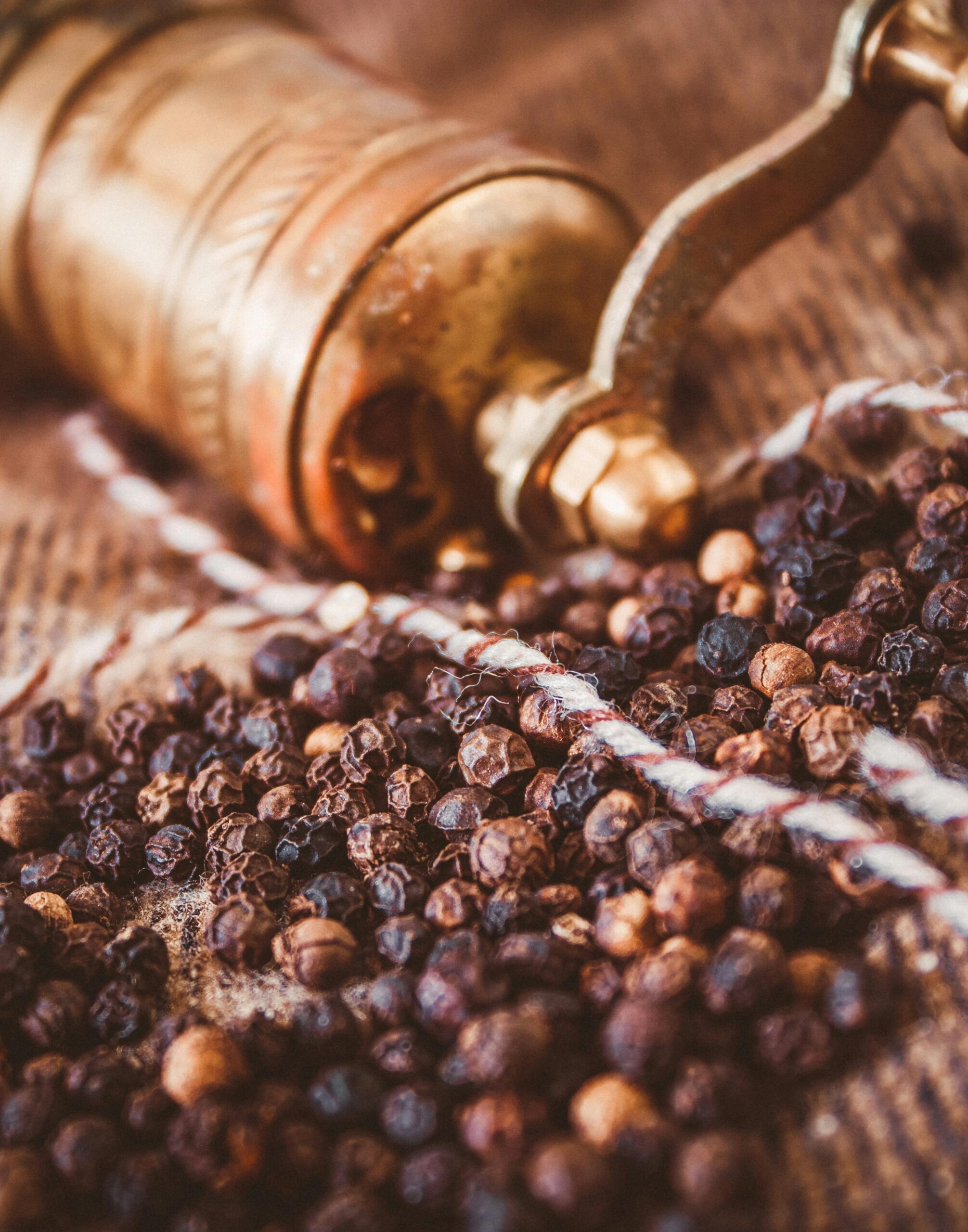
The Vine Everyone Walks Past
Ask most farmland investors what Coorg grows, and coffee comes up immediately, cardamom soon after. Pepper rarely gets mentioned first, despite climbing the very same shade trees as the coffee bushes beneath them. It is easy to overlook a crop that does not have its own separate plot, but pepper’s economics deserve a much closer look.
Why Pepper Thrives Alongside Coffee
Pepper is a climbing vine, and in Coorg’s traditional plantation layout, it grows up the trunks of silver oak and other shade trees that also protect the coffee bushes below. This means pepper requires no dedicated land of its own. It occupies vertical space that would otherwise go entirely unused, making it one of the most efficient crops in a layered farming system.
Black Pepper’s Market Position
India is one of the world’s leading producers and consumers of black pepper, and Karnataka’s hill districts, particularly Kodagu, produce a significant share of the country’s output. Pepper prices have historically shown resilience compared to more volatile export-driven spices, supported by consistent domestic demand across households and the food industry.
How Pepper Income Fits Into a Managed Plot
On a Nature N Me managed farmland plot, pepper vines are typically already established or planted alongside coffee and cardamom, meaning a single acre generates income from three distinct crops without requiring three times the land. Pepper harvest season differs slightly from coffee and cardamom, which helps spread income across a longer window of the year.
The Maturity Timeline
Pepper vines typically take 3 to 4 years to reach significant production after planting, similar to other perennial spice crops. Plots with already-established pepper vines allow investors to skip much of this waiting period and begin seeing harvest income sooner than starting from bare vines.
Processing and Sale
Harvested pepper is typically dried and graded before sale, either through the Spices Board of India’s channels, direct sale to spice traders, or increasingly through direct-to-consumer and export-oriented buyers seeking traceable, single-estate produce. Nature N Me’s agricultural team manages this entire process, from harvest timing through grading and sale.
Tax Treatment
Like coffee and cardamom, income from pepper cultivation on managed farmland qualifies as agricultural income and is exempt under Section 10(1) of the Income Tax Act, meaning pepper harvest proceeds reach investors without any tax deduction.
Why This Crop Deserves More Attention
Because pepper is rarely marketed as a standalone investment, its contribution to a managed farmland plot’s total return is often underappreciated by first-time investors. Understanding that your Coorg plot is generating coffee, cardamom, and pepper income simultaneously gives a more complete picture of what the land is actually producing each year.
Climate Suitability
Pepper requires the same shaded, moisture-retentive conditions that make Coorg ideal for coffee, meaning the region’s rainfall and elevation profile suit pepper cultivation naturally without requiring separate irrigation infrastructure or climate modification.
Exploring Pepper-Integrated Plots
If you are evaluating a managed farmland plot in Coorg, ask specifically about the pepper component alongside the coffee and cardamom details you are likely already being shown. Nature N Me can walk you through the specific vine count and estimated pepper yield for available plots, giving you a fuller picture of the plot’s total crop economics before you decide.
Frequently Asked Questions
How does pepper grow without requiring additional plot land?
Pepper is a climbing vine that grows up shade trees (like silver oak) already used for coffee bushes, using vertical space without taking up separate land area.
Can pepper be harvested along with other plantation crops?
Yes, pepper grows alongside coffee and cardamom on the same plot, allowing investors to generate revenue from three crops on a single piece of land.
How long do pepper vines take to start producing a yield?
Pepper vines typically take 3 to 4 years to reach significant yield, though buying plots with pre-established vines allows you to receive harvest returns sooner.
Is income from pepper harvest subject to tax in India?
No, returns from pepper cultivation on managed farmland are classified as agricultural income and are tax-exempt under Section 10(1) of the Income Tax Act.