
:If you’re exploring land ownership in Coorg, you’ve likely come across two options: managed farmland and a managed farmhouse with a 3BHK villa. Both are built around the same idea — owning productive agricultural land without doing the farming yourself — but they serve different goals. Here’s how to tell them apart and decide which fits you.
What Managed Farmland Offers
Managed farmland is a plot of agricultural land, typically planted with coffee, pepper, cardamom, and fruit trees, that our team develops and maintains on your behalf. You own the land outright, and the farming, irrigation, and harvesting are handled for you. It’s built primarily as an investment and income asset, with visits as an option rather than a requirement.
This works well if your priority is capital appreciation and passive agricultural income, and you don’t need a built structure to stay in every time you visit.
What a Managed Farmhouse Offers
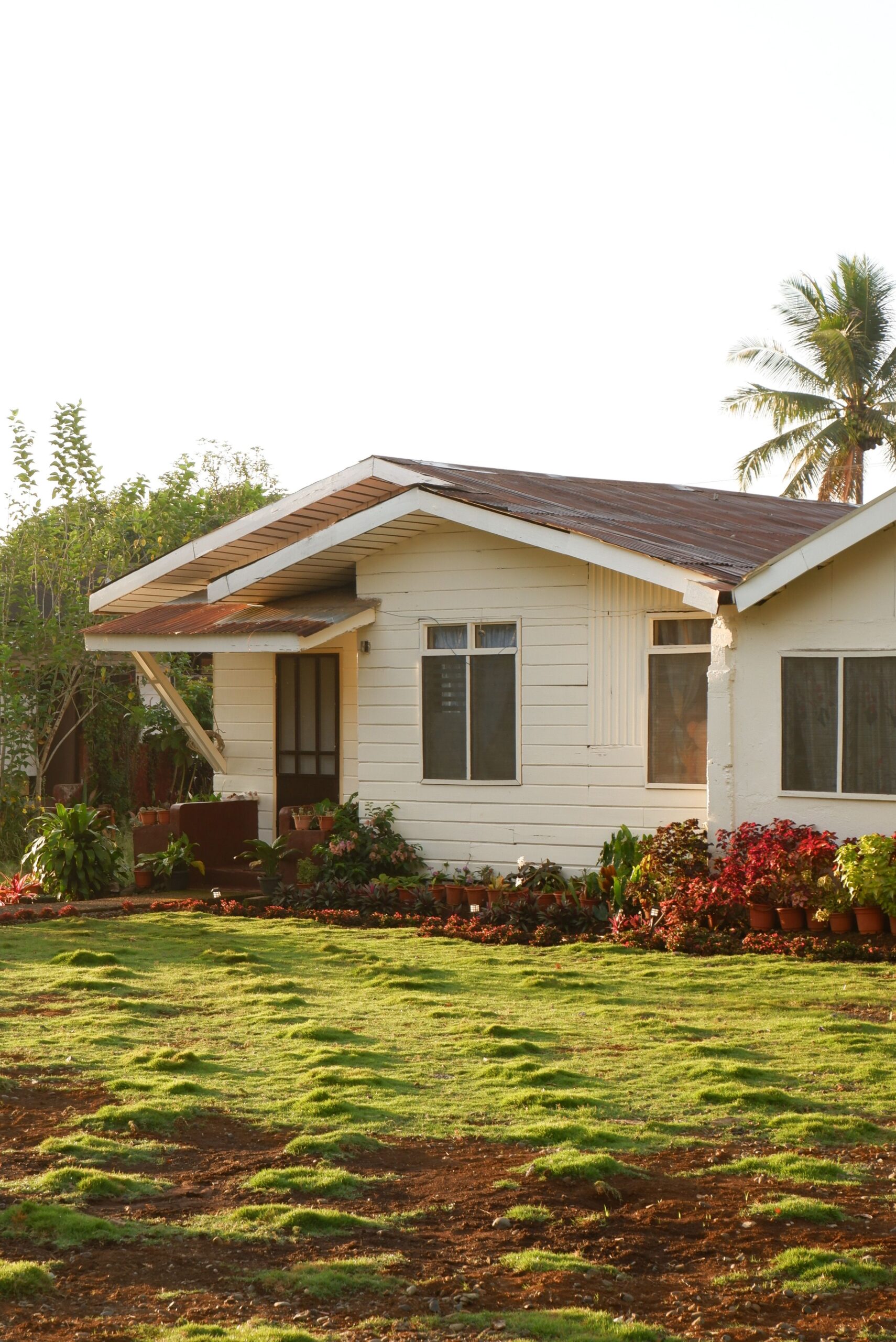
A managed farmhouse takes the same concept and adds a 3BHK villa built directly on the plot. You get a usable home surrounded by your own farmland, so it functions as both a weekend retreat and an income-generating asset. The farmland around the villa is managed exactly like a standalone farmland plot, just with a livable structure attached.
This suits buyers who want a physical place to stay, host family, or eventually retire to, alongside the investment value of the land itself.
Comparing the Two on Cost
A farmhouse costs more upfront because it includes construction, while farmland alone is a lower entry point. If your budget is tighter or you’re testing the waters with farmland investment for the first time, plain managed farmland is the easier starting point. If you’re ready for a bigger one-time investment and want a tangible retreat, the farmhouse route makes more sense.
Comparing the Two on Usage
Farmland is ideal if you’re comfortable managing everything remotely and only visiting occasionally. A farmhouse is better if you or your family plan to visit often, host guests, or eventually use it as a full-time or semi-permanent residence.
Which One Should You Choose?
If your primary goal is a long-term land investment with tax-free income and you don’t need a place to stay, go with managed farmland. If you want the same investment benefits plus a private villa to actually live in during your visits, the managed farmhouse is worth the extra cost.
Both options come with the same level of professional farm management, full legal documentation, and transparent reporting from our team, so the decision really comes down to whether you want a built home on your land or not.