
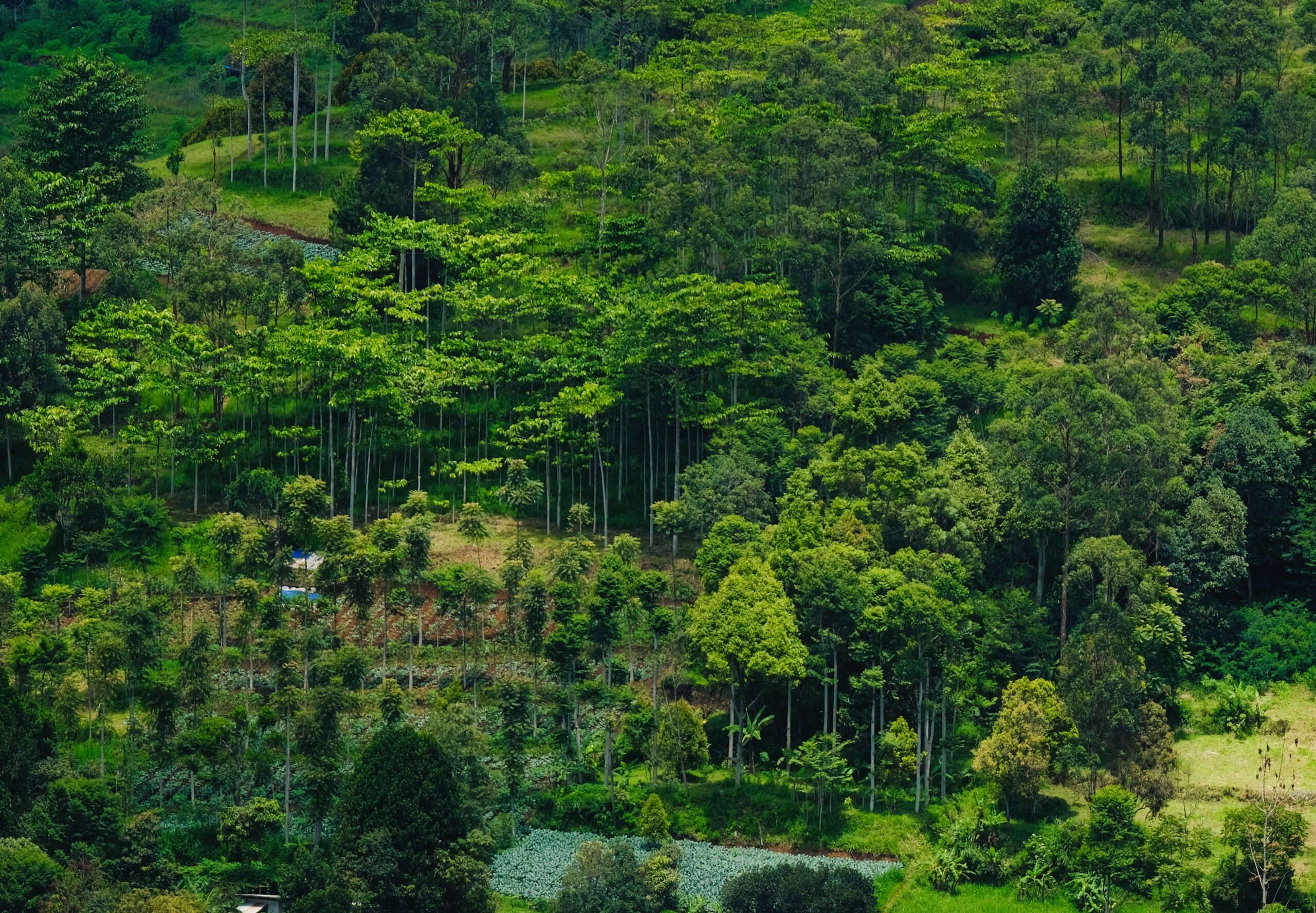
If you’re new to farmland investment, terms like agroforestry and crop diversification can sound more complicated than they are. Here’s a straightforward look at what’s actually planted on managed farmland in Coorg, and why the specific mix of crops matters for both the land’s health and your returns.
What Agroforestry Means
Agroforestry is the practice of growing trees and crops together on the same land, rather than relying on a single crop. This mimics natural forest systems more closely than conventional single-crop farming, and it tends to produce healthier soil, better water retention, and more resilient yields over time.
Coffee: The Primary Crop
Coorg is one of India’s major coffee-growing regions, and coffee is typically the anchor crop on managed farmland here. Coffee plants take a few years to reach full production but then continue yielding for decades, making them a solid long-term income source.
Pepper and Cardamom
Pepper vines are often grown alongside coffee plants, using them as natural support structures, which makes efficient use of the same land. Cardamom, another high-value spice crop, is typically planted in the shaded undergrowth beneath the coffee canopy. Both crops add income diversity beyond coffee alone.
Fruit Trees
Mango, jackfruit, and other fruit trees are commonly included in the planting mix. These provide an additional income stream and also contribute to the overall biodiversity and shade cover of the land.
Timber and Sandalwood Species
Some managed farmland projects also include long-horizon species like teak and sandalwood. These take significantly longer to mature, often decades, but represent a substantial long-term value addition to the land, since mature timber and sandalwood can be worth a considerable amount.
Why This Mix Matters
Relying on a single crop exposes a farm to price volatility and disease risk specific to that crop. A diversified planting mix spreads that risk across multiple crops with different harvest cycles, so the land isn’t dependent on any one market performing well in a given year.
What This Means for You as an Owner
As a landowner, you don’t need to understand the technical details of crop rotation or shade management. What matters is knowing that your land isn’t a single bet on one crop, but a diversified, professionally managed mix designed for steadier long-term returns and healthier land over time.