
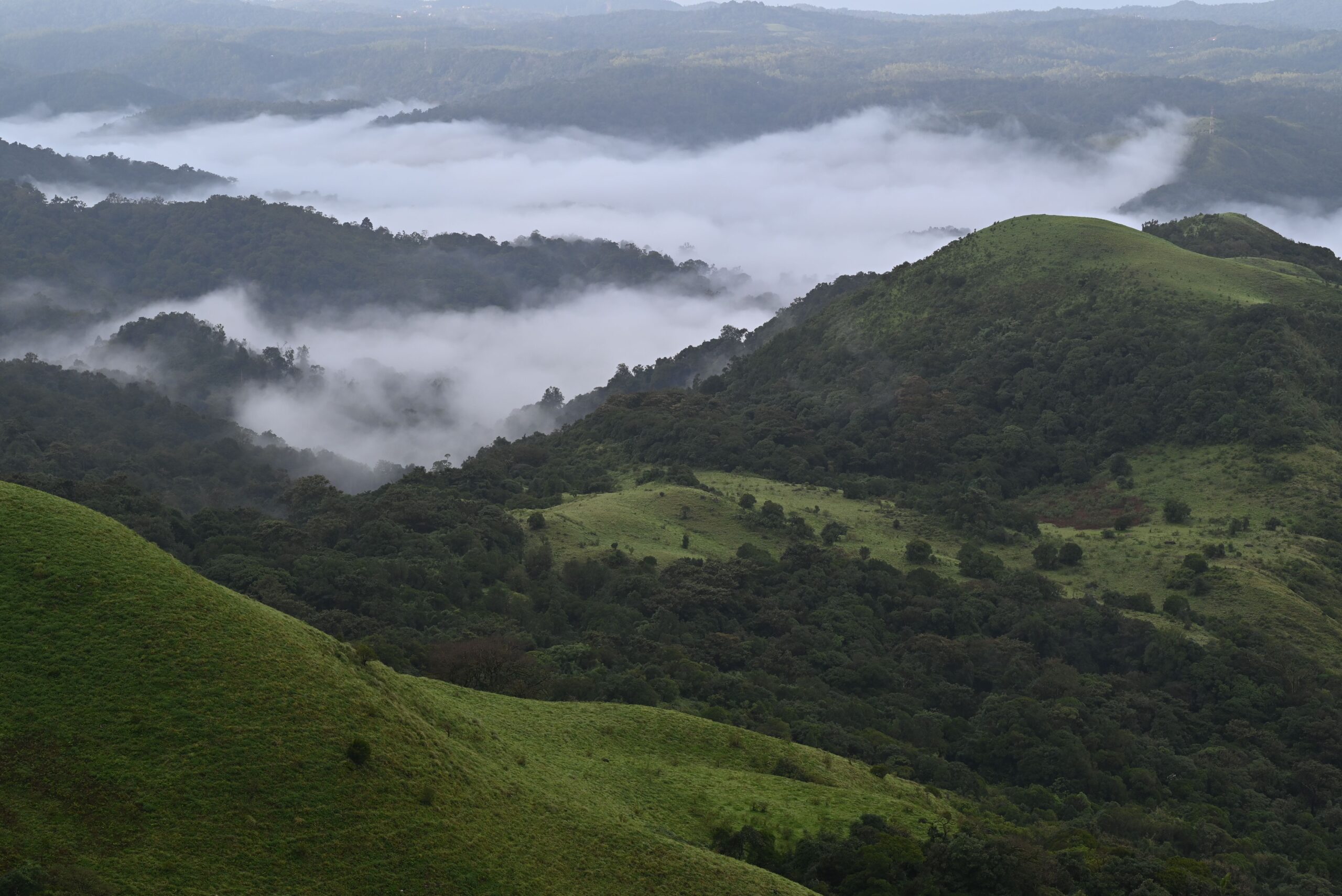
When people think of Coorg, one of the first images that comes to mind is a landscape filled with coffee plantations, green hills, trees, and misty countryside roads.
Agriculture is deeply connected to the identity of the region. For someone who owns farmland in Coorg, this agricultural environment can become an important part of the ownership experience.
From coffee plantations and fruit orchards to trees and diverse greenery, managed farmland can provide an opportunity to experience the countryside in a way that goes beyond simply owning a piece of land.
Coorg and Its Coffee Heritage
Coffee is one of the defining agricultural products associated with Coorg.
The region’s plantation landscapes are an important part of its character and contribute significantly to its identity.
For farmland owners, being surrounded by coffee-growing landscapes provides an opportunity to experience an agricultural environment that has developed over generations.
The sight of coffee plants, shade trees, plantation paths, and green surroundings creates a distinctive countryside atmosphere.
The Beauty of Fruit Orchards
Fruit trees can add another dimension to agricultural land.
Depending on the location, soil, climate, and farming plan, orchards may include different varieties of fruit-bearing trees.
An orchard changes with the seasons.
Trees grow, flower, produce fruit, and change in appearance throughout the year.
For owners, this creates an agricultural landscape that feels dynamic and alive.
Why Green Landscapes Matter
One of the biggest differences between farmland and urban property is the amount of natural space.
Instead of concrete buildings dominating the surroundings, farmland can include trees, crops, plantations, pathways, and open areas.
This creates an environment where owners can spend more time outdoors.
For people coming from Bangalore, the contrast can be especially noticeable.
Experiencing the Farming Cycle
Owning farmland allows people to observe agriculture over time.
A visit to the property can provide a glimpse into different stages of farming — from planting and maintenance to growth and harvesting.
The experience can also change with the seasons.
This creates a stronger connection with the land because owners can see how the property develops rather than experiencing it as a fixed landscape.
Managed Farmland Makes the Experience Easier
While the farming experience can be rewarding, agriculture requires continuous work.
Irrigation, crop maintenance, plantation care, labour, pest monitoring, and other activities need regular attention.
For urban owners, this can be challenging.
A managed farmland model allows professional teams to oversee these activities according to the project’s farming plan.
This can make owning agricultural land more practical for people who live away from the property.
A Farmhouse Surrounded by Agriculture
The experience becomes even more appealing when farmland includes a farmhouse.
Instead of simply visiting an agricultural property, owners can have a comfortable space where they can stay overnight or spend weekends.
The farmhouse becomes a base from which the surrounding agricultural environment can be experienced.
Imagine waking up surrounded by trees, walking through the property, observing the plantations, and spending the evening in a quiet countryside setting.
This is very different from a conventional urban second home.
Learning More About Agriculture
Farm ownership can also encourage people to become more curious about agriculture.
Owners can learn about:
- Coffee cultivation
- Fruit orchards
- Soil management
- Irrigation
- Plantation care
- Seasonal farming
- Tree growth
- Sustainable agricultural practices
For families with children, this can provide an opportunity to introduce them to where food comes from and how agricultural ecosystems function.
Biodiversity Around Farmland
A well-managed agricultural landscape can also provide habitat for various forms of life.
Trees, plants, insects, birds, and other organisms can form part of the wider farm ecosystem.
Maintaining vegetation and adopting responsible agricultural practices can help create a landscape where farming and nature coexist.
The exact biodiversity benefits depend on the farm design, surrounding environment, and management practices.
Why Coorg Appeals to Bangalore Buyers
For Bangalore residents, Coorg offers an opportunity to experience a very different environment without requiring a permanent move away from the city.
Professionals can continue their careers in Bangalore while using their farmhouse or farmland as a weekend and holiday retreat.
This makes the idea of owning managed farmland particularly attractive to people who want a connection with rural life but still need the convenience of urban living.
What to Consider Before Buying Farmland
If you are considering agricultural land in Coorg, look beyond the visual appeal.
Evaluate:
- Land documentation
- Ownership structure
- Location
- Accessibility
- Crops and plantations
- Water availability
- Irrigation systems
- Farm management
- Maintenance arrangements
- Long-term costs
Understanding these aspects can help you make a more informed decision.
More Than Just Greenery
The appeal of farmland is not simply that it looks green.
It represents a living system.
Coffee plants grow, fruit trees mature, crops change with the seasons, and the surrounding landscape evolves over time.
For owners, being part of this environment can create a deeper connection with the property.
Final Thoughts
Owning land in Coorg can provide a unique opportunity to experience agriculture, nature, and countryside living.
From coffee plantations and orchards to trees and green landscapes, the farming environment can make every visit different.
When combined with professional farm management and, where applicable, a farmhouse, the experience becomes even more convenient for urban owners.
For people looking for more than a conventional second home, managed farmland in Coorg can offer a chance to own a piece of the countryside and experience the rhythms of farming, nature, and life beyond the city.