
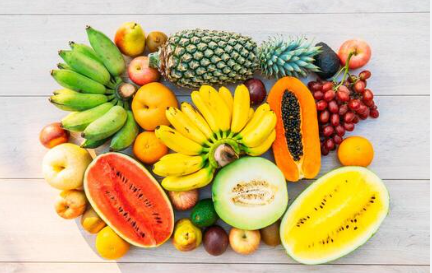
“What should I plant?” is the most practically important agroforestry design question for any new farmland investor. The answer is not a single universal species mix — it depends on the specific plot’s altitude, soil type, water availability, and market access. But for a three-acre agroforestry plot in Karnataka’s productive agricultural belt (Mysore zone or lower-altitude Coorg), the following combination represents the most income-diversified, risk-balanced planting available from documented Indian agricultural experience.
The Recommended Three-Acre Mix
Canopy and timber layer: Twenty to twenty-five silver oak trees per acre (sixty to seventy-five across the three acres), planted at wide spacing to provide shade without excessive density. Ten to fifteen teak trees per acre (thirty to forty-five across the three acres) at wider spacing to develop as the long-term timber asset. Total canopy and timber trees: ninety to one hundred and twenty.
Primary fruit layer: Eighty to one hundred mango trees across the three acres, at eight by eight metre spacing. Mango is the backbone of the Karnataka fruit orchard — long productive life, established market, premium variety options, and the best name recognition for direct-to-consumer marketing.
Secondary fruit layer: Thirty to forty sapota trees interspersed between the mango at wider spacing. Sapota’s year-round production cycle provides income continuity when the seasonal mango harvest is not available.
Tertiary fruit layer: Twenty to thirty guava plants in the spaces between larger fruit trees where light is adequate. Guava matures faster than mango and sapota and provides early income while the larger trees develop.
Bridge crop (years one to three): Pineapple planted in inter-row spaces across all three acres during the first two to three years before the fruit trees’ canopy closes the available ground-level light. Pineapple generates income from year one and a half, phases out naturally as canopy closes.
Climbing crop (where support trees are present): Pepper or vanilla vines on silver oak and teak trees throughout the estate, using the timber trees as living trellises.
Why This Combination Works
This combination provides income from multiple timelines simultaneously. Pineapple generates income from year one. Guava from year two. Sapota from year three to four. Mango from year four to five at early levels, building to peak income from year eight to ten. Timber harvest income beginning from year fifteen.
It diversifies across seasonal and year-round production: mango is seasonal (May to July peak), sapota is year-round, guava is year-round with peaks. The combined income curve is smoother than any single species could achieve.
It diversifies across market channels: mango has the strongest premium brand story for direct-to-consumer and corporate gifting. Sapota has reliable institutional buyer demand. Guava has strong local market absorption.
What Adjustments Are Appropriate for Different Conditions
For higher-altitude Karnataka plots (above one thousand metres): Reduce mango proportion slightly (some mango varieties perform better at lower altitudes) and consider adding avocado in the primary fruit layer, which specifically benefits from the cooler temperatures of higher-altitude growing conditions.
For water-limited plots with good drip infrastructure: Increase guava proportion relative to mango, as guava is more drought-tolerant once established and produces year-round income that does not depend on the flowering-induction moisture management that mango requires.
For plots specifically targeting premium urban market channels: Increase avocado proportion significantly, given the domestic supply gap for avocado that allows premium pricing to a degree that no other Karnataka fruit species currently matches.
What Nature N Me Recommends for Your Specific Plot
The optimal planting mix for any specific plot is determined by Nature N Me’s agricultural team after soil assessment, altitude confirmation, water documentation, and market access analysis. Generic recommendations provide a starting framework; plot-specific recommendations optimise the framework for the actual conditions the investment will operate in.
Disclaimer: The information provided in this article is for general informational and educational purposes only and does not constitute financial, legal, tax, or investment advice. While fruit tree cultivation and agroforestry systems can offer long-term agricultural returns, actual crop yields, income timelines, and market prices may vary based on weather conditions, seasonal fluctuations, soil quality, and local market demand. Potential investors should conduct their own due diligence and consult with qualified agricultural and financial advisors before making investment decisions. Nature N Me does not guarantee specific yields, harvest timelines, or financial returns.