
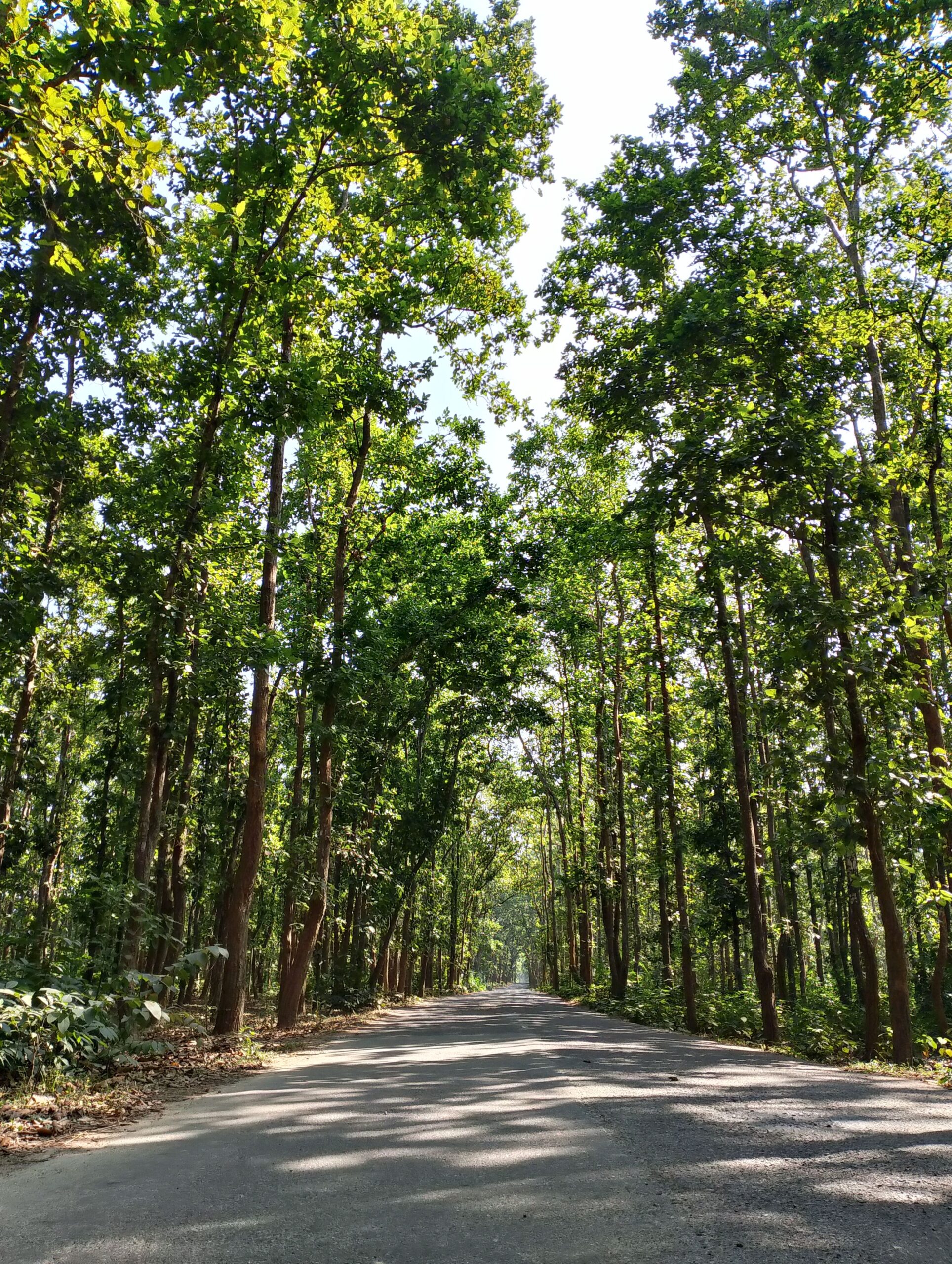
The 99acres and Hills and Wills listings for Coorg agricultural land include a specific category of property that deserves careful investor attention: the “neglected coffee estate.” Thirty acres of neglected coffee estate for sale in Coorg — on road property — this type of listing appears regularly in the Coorg property market, typically priced attractively relative to well-managed estates and positioned as an “opportunity” for a buyer willing to restore it.
What these listings rarely specify is what neglect actually costs to reverse — in money, in years of lost income, and in the specific agricultural damage that accumulates when a coffee estate goes without professional management.
What Agricultural Neglect Looks Like After Two Years
A Coorg coffee estate that has gone without active management for two years shows specific and identifiable deterioration at every level of the agricultural system. The silver oak canopy, unpruned for two seasons, has grown dense and irregular — creating over-shading conditions that suppress the coffee below. Coffee plants growing in excessive shade become etiolated: pale, with elongated internodes, minimal flowering, and very low cherry set.
The weed growth between rows is now significant — two seasons of unchecked weed germination and development means that the inter-row space is colonised by aggressive tropical weeds that compete with coffee for nutrients and moisture. The weed biomass has begun to shade the lower coffee branches and create humid microclimates that favour fungal disease development.
The drip irrigation system — if one was installed — has likely suffered from neglect-related failures. Emitters clogged with sediment, lateral pipes damaged by weed growth or fallen branches, and the bore well pump that has not been serviced for two years are all likely to require significant repair or replacement before irrigation can be restored.
Coffee leaf rust — without the copper fungicide applications that active management provides — has likely established across the estate. The infected plants show characteristic orange-yellow pustules on leaf undersides, defoliation on heavily infected branches, and reduced photosynthetic capacity that further depresses cherry set.
What Neglect Costs After Five Years
A five-year neglected estate has compounding damage on top of the two-year picture. The coffee plants’ productive potential has declined significantly from the yield at year one of neglect — some plants have entered a prolonged stress state that requires rejuvenation pruning before they return to productive bearing. The weed community is now well-established with deep-rooted perennial species that require multiple seasons of active management to suppress.
Coffee berry borer pressure has likely built to high levels — the unmanaged environment allows the CBB population to cycle unimpeded through multiple generations across successive harvests, with each generation infesting a higher proportion of the cherry. The accumulated inoculum pressure means that even with active management restored, CBB suppression will take multiple seasons to achieve.
The Recovery Cost: What It Actually Takes
Restoring a five-year neglected Coorg coffee estate to productive management condition requires a specific and costed recovery program. The major components:
Canopy restoration: Aggressive silver oak pruning to restore appropriate canopy density, removing multiple seasons’ accumulated growth. Cost: fifteen thousand to thirty thousand rupees per acre for intensive pruning plus debris removal.
Coffee rejuvenation: Severely stressed coffee plants may require stumping (cut back to near ground level to regenerate productive shoots) rather than pruning. Stumped plants take two to three years to return to productive bearing. The income gap during this period is direct income loss — zero coffee yield from stumped sections for two to three years.
Weed management: First-season weed suppression on a neglected estate requires significantly more labour than routine management on an actively managed estate — estimated at forty to sixty thousand rupees per acre for the first-year intensive program.
Disease rehabilitation: Coffee leaf rust on a heavily infected estate requires copper fungicide applications at high rates for two to three seasons to reduce the fungal inoculum to manageable levels, plus specific attention to plant nutrition to rebuild the immune capacity of stressed plants.
Irrigation restoration: Repairing or replacing clogged emitters, damaged laterals, and servicing pump systems across the estate. Cost varies widely depending on damage severity — from ten thousand to seventy thousand rupees per acre.
The Opportunity Cost: The Price of Lost Income
Beyond the direct recovery costs, the neglected estate buyer must account for the income that does not arrive during the recovery period. A five-year neglected estate may require two to four years of active management before it returns to productive income levels. These years of below-potential or zero income are the opportunity cost of buying a neglected rather than a managed estate — and they can represent more financial impact than the initial purchase price discount.
A quality managed farmland plot from Nature N Me — already in active management with established planting and documented income history — may cost more per acre than a neglected estate listing. When the recovery cost and the income gap during recovery are fully accounted for, the total investment in the managed farmland is frequently lower than the total cost of purchasing and restoring a neglected estate.