The financial case for Coorg managed farmland investment is well-established across this blog series. But the investors who describe their Coorg estate with the most satisfaction — who have held for five or ten years and would not consider selling — are not primarily talking about returns when they describe the investment. They are talking about a ritual that has become part of their family’s life.
The ritual is simple in its structure: a regular visit cadence to the estate — quarterly for most families, monthly for those who live close to Coorg — that has over time created a specific and personally significant relationship between the family and the place they own. Understanding what makes this ritual form and how to cultivate it from the first year of ownership is as important for the investment’s long-term satisfaction as any financial consideration.
Why the First Three Visits Are the Most Important
The ritual does not form automatically from ownership. It requires intentional cultivation in the first year — establishing the visit pattern before inertia and competing demands crowd it out of the family calendar. The first three visits to the estate are the most important: they establish whether the estate visit is experienced as a chore or a pleasure, whether the family associates the investment with engagement or obligation, and whether the estate becomes a place in the family’s mental geography or remains an abstraction.
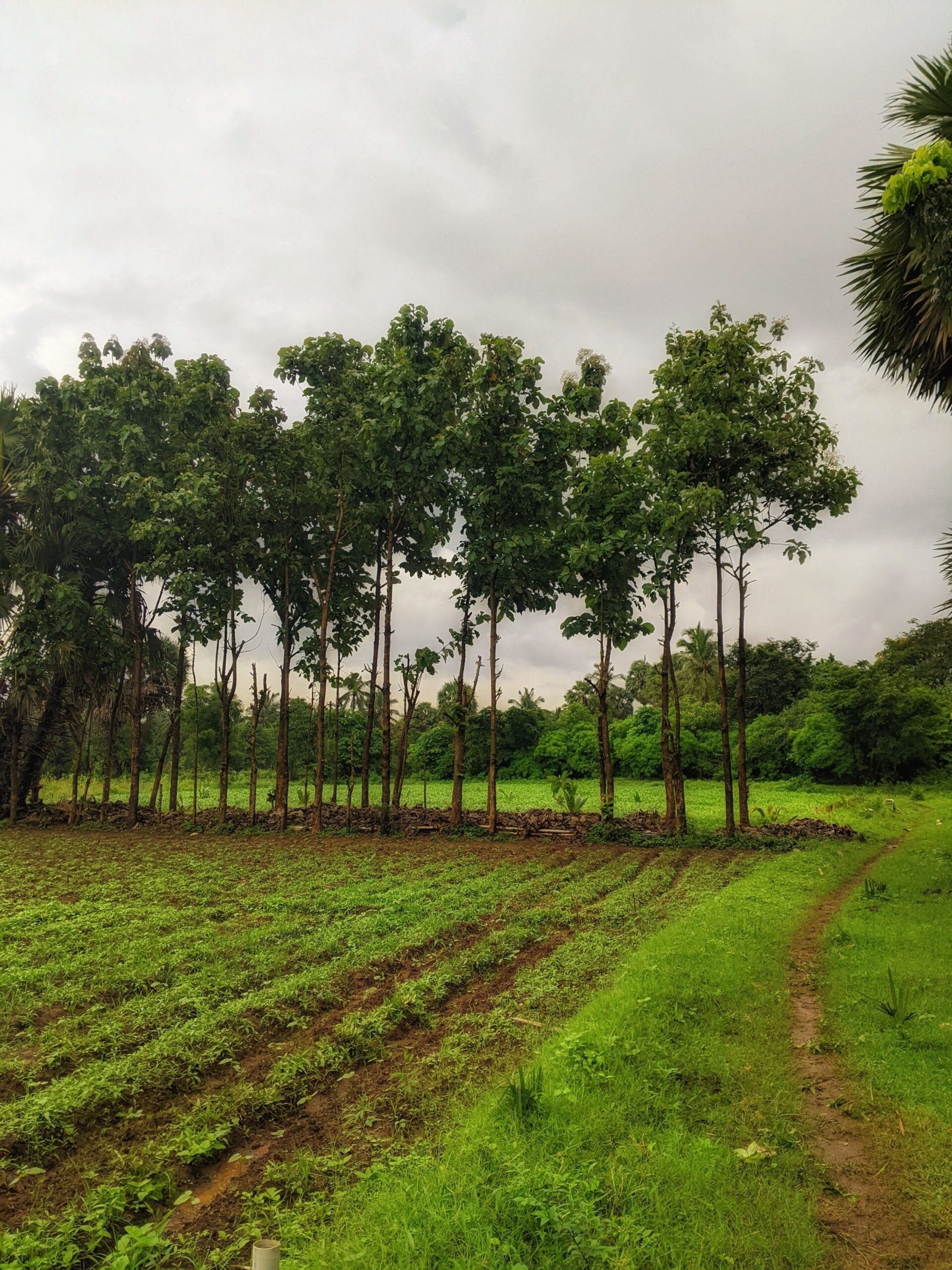
The first visit should happen within the first month of registration — before the novelty of ownership has faded and while the motivation to see the estate is strongest. Keep it short and focused on the most engaging elements: the boundary walk, meeting the farm manager, and any particularly visually striking agricultural feature (blossom if it is the right season, harvest activity if January or February).
The second visit should happen within ninety days — close enough that the first visit remains fresh in family members’ memories, creating a comparison point. “The mango trees have grown since we were last here” is the kind of observation that begins the process of the estate becoming a place that changes and develops in the family’s consciousness.
The third visit establishes the quarterly pattern as a rhythm rather than a one-off. By the third visit, most families have identified the specific aspects of the estate that different family members most enjoy — the children who particularly like talking to the farm manager, the spouse who finds the walking meditation in the coffee rows specifically restorative, the investor themselves who most values the specific conversation about agricultural progress. These differentiated engagements are what make the visit feel valuable to everyone rather than primarily to the investor.
The Seasonal Variation That Keeps Visits Fresh
One of the most underappreciated features of a Coorg estate visit program is that the estate is genuinely different in each season — providing a naturally varied experience that prevents the visits from becoming repetitive even after multiple years.
The March blossom visit is unlike any other — white flowers, fragrance, the anticipation of the harvest to come. The July monsoon visit is lush, dramatic, and wet in ways that the dry season visit is not. The October post-monsoon visit offers the most comfortable weather and the clearest views. The January harvest visit is the most agriculturally active and commercially significant.
A family that visits in all four seasons of the year experiences four distinct versions of the same estate — developing a seasonal awareness that deepens their relationship with the place and with the agricultural calendar that governs it.
Building the Ritual Into the Family Calendar
The most practical advice for building the estate visit habit is to put the visits in the family calendar at the beginning of each year — as fixed dates rather than intentions. A visit during Ugadi or Gudi Padwa in March or April (the blossom season), a monsoon visit in July, a post-monsoon visit in October or November, and the harvest visit in January — four anchored dates that are planned around rather than displaced by competing obligations.
Families who put the estate visits in the calendar alongside other fixed annual commitments are significantly more consistent visitors than those who intend to visit regularly but plan each visit reactively. The calendar commitment is the practical mechanism that converts the intention into the ritual.
Disclaimer: The information provided in this article is for general educational, experiential, and informational purposes only and does not constitute financial, legal, tax, or real estate advice. Visiting schedules, estate management experiences, and personal enjoyment may vary by family and individual property. Managed farmland and agricultural investments carry inherent operational, weather, and yield risks. Nature N Me does not guarantee specific financial returns, appreciation rates, or agricultural outcomes. Prospective buyers should conduct their own independent due diligence, review title deeds (RTC/Bhoomi), and consult with qualified legal and financial advisors before making any investment decisions.