
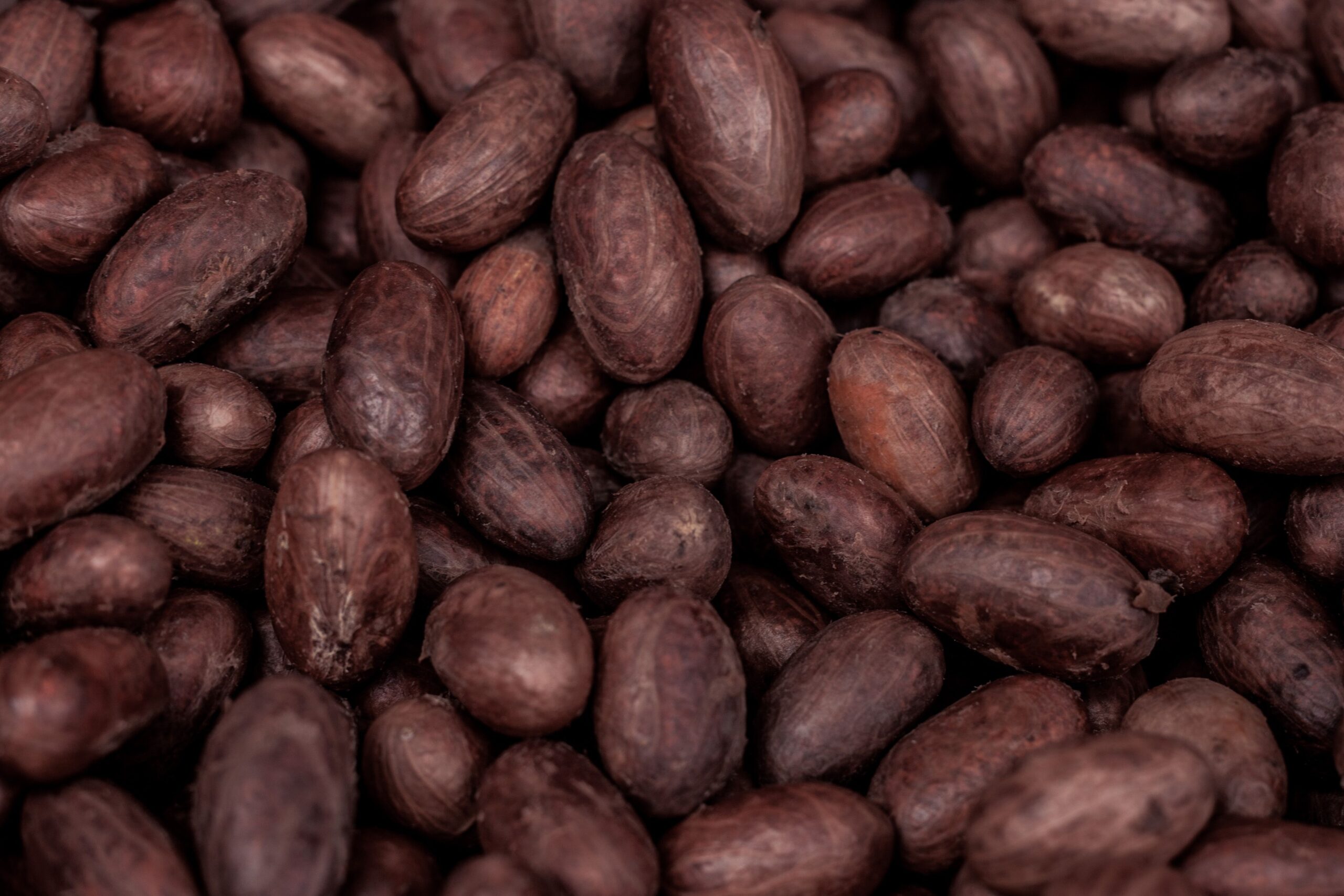
India’s craft chocolate industry has had a remarkable decade. From a market where chocolate was dominated by multinational mass-market brands and cocoa was simply an imported commodity input, India has developed a growing community of small-batch, artisan chocolate makers — particularly in Bangalore, Mumbai, and Kerala — who specifically seek Indian-grown fine cocoa and who pay premium prices for documented, quality-focused Indian cocoa beans.
For Coorg farmland investors with lower-altitude estate sections — particularly those in the seven hundred to nine hundred metre range where Arabica coffee quality is limited and the crop diversification argument for alternative species is strong — cocoa cultivation represents an emerging income opportunity that is at an early enough stage to offer first-mover advantages for investors who establish now.
Cocoa’s Growing Requirements and Coorg’s Suitability
Cacao (Theobroma cacao) is a tropical understorey tree — it evolved growing beneath the forest canopy of Central and South America’s rainforests, making it specifically adapted to the shaded, humid, warm-but-not-extreme growing conditions that Coorg’s lower-altitude agroforestry estates provide.
The ideal cocoa growing conditions — annual rainfall of fifteen hundred to two thousand five hundred millimetres, temperatures between twenty-one and thirty-two degrees Celsius, humidity above seventy percent, and partial shade from taller canopy trees — correspond closely to the conditions of Coorg’s lower-altitude zones. The silver oak and coconut trees that provide shade for coffee in higher-altitude sections can serve the same shade function for cocoa in lower-altitude estate sections.
Cocoa is already grown in parts of Virajpet taluk and in Kerala’s Wayanad district — neighbouring agricultural zones with similar growing conditions. The crop is proven in the Western Ghats’ specific environment and the primary knowledge and nursery infrastructure for Coorg-adjacent cocoa cultivation exists in the regional agricultural community.
The Indian Craft Chocolate Market: Why Premium Cocoa Prices Are Available
India’s craft chocolate scene — led by makers like Mason and Co, Soklet, Paul and Mike, and others — has created a specific and growing demand for Indian-grown fine cocoa with documented provenance. These makers specifically seek alternatives to conventional imported cocoa, both for the supply chain independence and for the marketing narrative of Indian-origin chocolate made from Indian-grown cacao.
The premium these makers pay for quality, documented Indian cocoa reflects this demand: fine cocoa beans (Criollo or hybrid varieties with good flavour profile) from documented Indian estates can achieve farm-gate prices of two hundred to four hundred rupees per kilogram of dried fermented bean — compared to one hundred to one hundred and fifty rupees per kilogram for conventional commodity cocoa sold through standard channels.
The Income Timeline
Cocoa begins bearing in year three to four from grafted planting material, with commercial volumes from year four to five. At a planting density of approximately four hundred to five hundred trees per acre in a mixed system, a productive cocoa acre generates three hundred to five hundred kilograms of dried fermented bean annually.
At two hundred and fifty rupees per kilogram (mid-range premium market price), an acre of productive cocoa generates seventy-five thousand to one lakh twenty-five thousand rupees annually — additional to the coffee, pepper, and other income from the same estate.
The fermentation and drying that converts fresh cocoa pods into marketable dried fermented bean is a specific post-harvest step that requires investment in fermentation boxes and drying infrastructure — but this is modest-scale capital investment compared to coffee’s wet mill requirements.
The First-Mover Advantage
India’s craft chocolate industry is growing but Indian fine cocoa supply is extremely limited. The makers who have been sourcing Indian cocoa for several years have built supply relationships with the small number of estates currently producing quality documented Indian cocoa — these relationships are difficult for new cocoa makers to access without existing supply.
An investor who establishes cocoa cultivation on a suitable Coorg estate now is positioning ahead of the point where Indian craft chocolate demand has further outstripped Indian supply — entering the supply side of a market where demand growth is structural and supply expansion is slow.
Contact Nature N Me at naturenme.in or WhatsApp +91 98805 21637 to discuss cocoa cultivation suitability on altitude-appropriate plots in the available portfolio.
Frequently Asked Questions
Q1: Why is Coorg suitable for cocoa farming?
A: Coorg’s lower-altitude zones (700–900m) offer ideal conditions—high humidity, warm temperatures (21°C–32°C), annual rainfall of 1,500–2,500 mm, and natural shade provided by silver oak and coconut trees.
Q2: What is driving the demand for fine Indian cocoa?
A: The growing Indian craft/artisan chocolate industry seeks high-quality, single-origin Indian beans to create premium products and ensure supply chain independence.
Q3: How much can fine cocoa beans fetch compared to regular commodity cocoa?
A: Fine, documented Indian cocoa beans sell at a premium price of ₹200 to ₹400 per kg, compared to standard commodity cocoa which sells for ₹100 to ₹150 per kg.
Q4: How long does it take for cocoa trees to generate revenue?
A: Cocoa trees begin bearing fruit in 3 to 4 years, reaching commercial production levels by years 4 to 5.
Q5: What is the expected yield and income per acre?
A: An acre (400–500 trees) produces around 300 to 500 kg of dried fermented beans annually, generating an extra ₹75,000 to ₹1,25,000 in yearly income alongside existing crops like coffee and pepper.
Q6: What infrastructure is needed for post-harvest cocoa processing?
A: Farmers need basic setup for fermentation boxes and drying infrastructure, which is much less capital-intensive than coffee wet mills.
Q7: What is the main advantage of starting cocoa farming now in Coorg?
A: A strong first-mover advantage—getting in early allows farmers to build direct supply relationships with craft chocolate makers before demand far exceeds local supply.