
Goods and Services Tax (GST) is a dimension of agricultural income that is frequently misunderstood by Coorg farmland investors. The question of whether GST applies to the sale of coffee, cardamom, and pepper from a Coorg estate — and if so, at what rate and with what registration requirements — directly affects how crop income is calculated and what compliance obligations the estate management operation maintains.
This article provides a clear, practical guide to GST’s application to Coorg estate produce.
The Fundamental GST Exemption for Unprocessed Agricultural Produce
Under India’s GST framework, agricultural produce that has not been subjected to any industrial processing is generally exempt from GST. The GST Council has maintained a broad exemption for food grain, vegetables, fruits, and spices in their natural, unprocessed form — reflecting the policy principle that GST should not add tax burden on the primary agricultural supply chain.
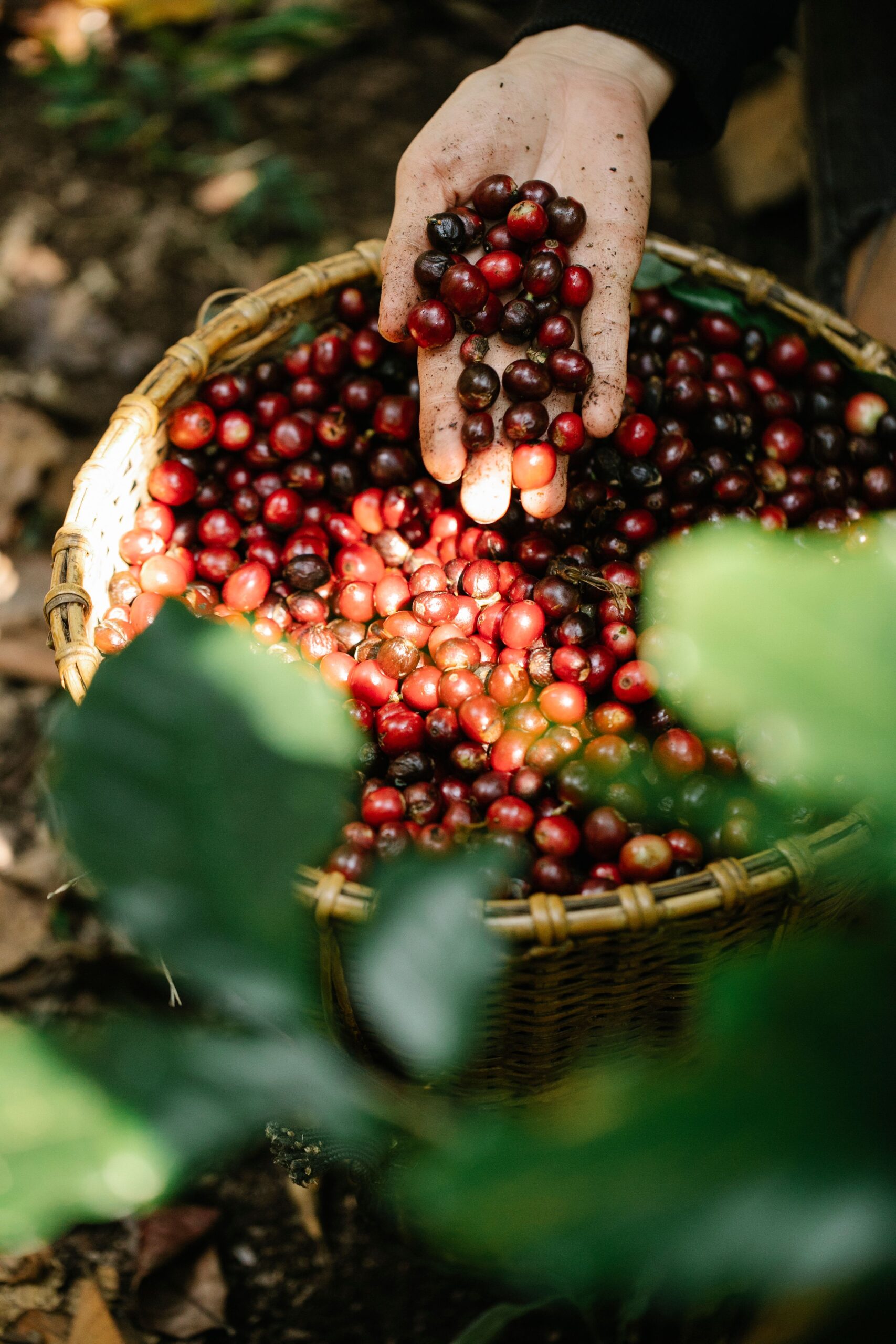
For Coorg estate produce specifically: fresh coffee cherry (the freshly harvested fruit from the tree) is unprocessed agricultural produce and exempt from GST. Similarly, fresh cardamom capsules at the point of harvest and fresh pepper berries are unprocessed agricultural produce.
Where GST Applies in the Coffee Supply Chain
The GST exemption applies to the raw agricultural produce. As coffee moves through the processing chain, GST applicability changes based on the processing stage and the form in which the product is sold.
Parchment coffee (wet-processed, dried coffee bean in its parchment layer): This is the primary form in which Coorg estate owners typically sell their coffee — either directly to coffee curing works or through the Coffee Board auction. The GST treatment of parchment coffee has been a subject of some interpretation, but the general position is that primary processing (wet milling and drying that produces parchment from cherry) does not convert the product from agricultural produce status, keeping it in the exempt or lower-rate category.
Green coffee bean (milled parchment, ready for export or roasting): GST applies at five percent under the current GST schedule for processed food items including processed coffee.
Roasted coffee: GST at five percent for roasted coffee not containing chicory, twelve percent for roasted coffee mixtures with chicory.
Instant/soluble coffee: Eighteen percent GST — the highest rate tier for coffee products.
Cardamom and Pepper GST Treatment
Dried cardamom (small and large) in its primary marketed form — dried capsules sold through the Spices Board auction — is subject to five percent GST under the current GST schedule. This is different from the exemption that applies to unprocessed fresh agricultural produce — the dried and graded form in which cardamom reaches the commercial market is considered a processed spice product subject to GST.
For most estate-level cardamom sales through the Spices Board auction, the GST is typically handled by the auction-level intermediaries rather than directly by the estate owner — but estate management teams need to understand whether the sale documentation correctly accounts for GST obligations.
Black pepper — similarly dried and sold in commercial form — is also subject to five percent GST in its commercially marketed dried form.
GST Registration Considerations for Estate Operators
An estate management operation that is making taxable supplies above the GST registration threshold (currently twenty lakhs annual turnover for service providers, forty lakhs for goods suppliers) must be registered for GST and file returns accordingly. Nature N Me’s management operations are appropriately structured for GST compliance — the management fee charged against investor crop income is a taxable service, and the estate’s commercial agricultural operations are managed within the applicable GST framework.
Individual investors — who receive net agricultural income after the management fee deduction — receive their income as agricultural income from land they own, which maintains its agricultural income character regardless of the GST treatment of the upstream transactions.
The Practical Implication for Investors
For most managed farmland investors in Coorg, the GST framework operates at the management and sale level rather than directly affecting the investor. The crop income statement the investor receives reflects net agricultural income after all relevant costs — the management team handles the GST compliance for the commercial agricultural operations.
The investor’s own tax obligation on the income received remains the Section 10(1) agricultural income exemption — the income is agricultural income from agricultural land and retains this character regardless of the GST treatment at the commercial transaction level.
Contact Nature N Me at naturenme.in or WhatsApp +91 98805 21637 for specific GST compliance documentation related to our Coorg managed farmland operations.
Disclaimer: The information provided in this article is for general informational and educational purposes only and does not constitute tax, legal, or financial advice. Goods and Services Tax (GST) laws, rates, and compliance requirements in India are subject to statutory amendments, official notifications, and judicial interpretations. Prospective estate owners and investors should conduct their own independent due diligence and consult with a qualified chartered accountant or legal advisor regarding their specific GST obligations and tax liabilities.
Frequently Asked Questions
Q1: Is raw, freshly harvested agricultural produce subject to GST?
A: No, raw agricultural produce in its natural, unprocessed form—such as fresh coffee cherry, fresh cardamom, and fresh pepper berries—is completely exempt from GST.
Q2: How does GST apply across different stages of coffee processing?
A: Parchment coffee remains largely exempt or subject to lower primary rates, green coffee beans and roasted coffee carry 5% GST (12% if mixed with chicory), and instant coffee carries 18% GST.
Q3: What are the GST rates for commercially marketed cardamom and pepper?
A: Dried, commercially processed cardamom capsules and black pepper sold through auctions or market intermediaries are subject to 5% GST under the current tax schedule.
Q4: Do individual farmland investors need to file GST returns for crop sales?
A: Generally, no. Estate management operations handle GST compliance and sales transactions. Investors receive net agricultural income, which retains its tax-exempt character under Section 10(1) of the Income Tax Act.
Q5: When does an estate management operation need to register for GST?
A: Registration is required if annual turnover from taxable supplies exceeds GST threshold limits (₹20 lakh for service providers, such as estate management fees, or ₹40 lakh for goods suppliers).