
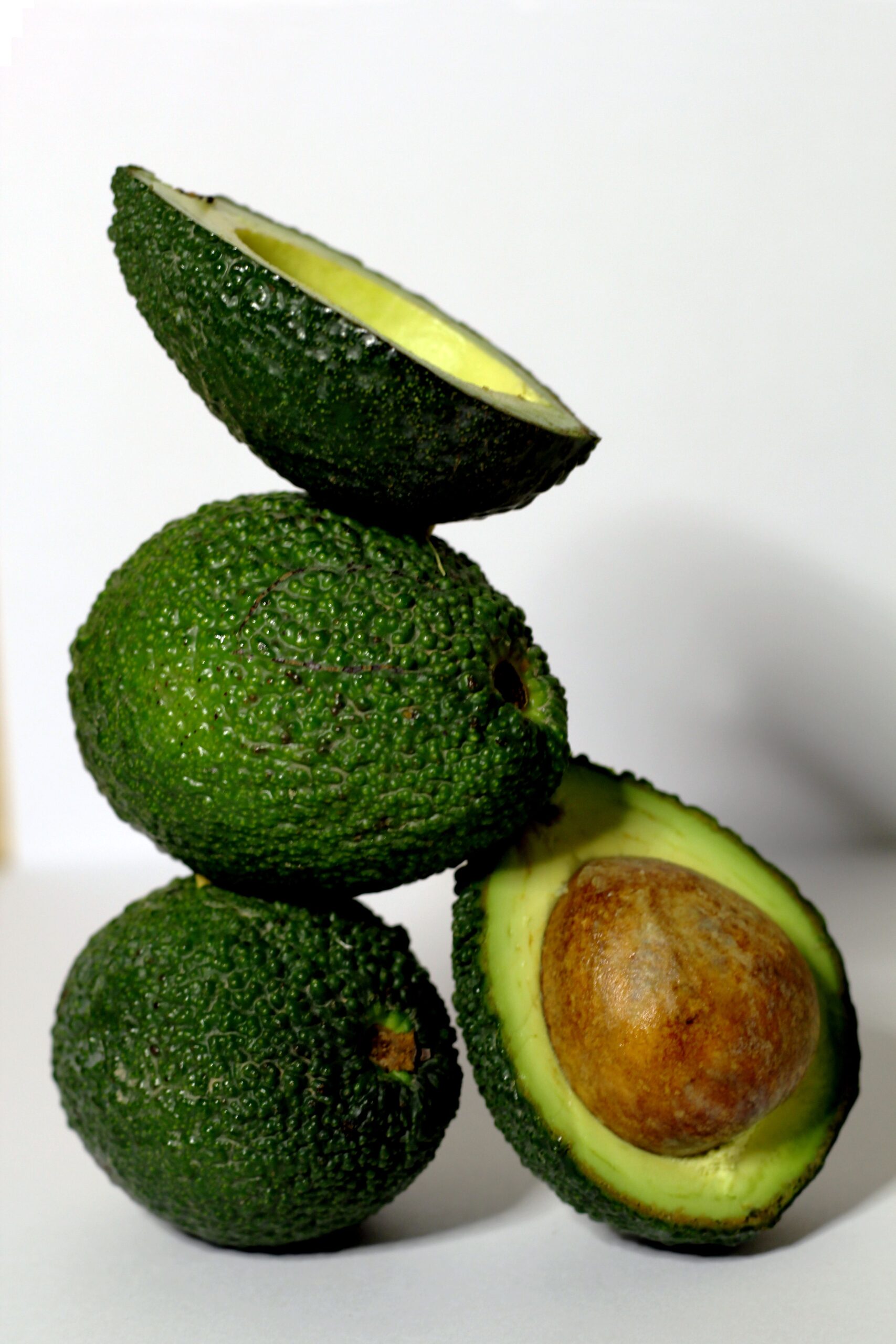
Among the fruit species that are being incorporated into newer Coorg agroforestry estate plantings, avocado (Persea americana) stands out for the combination of strong domestic market demand, a domestic supply situation that has not caught up with that demand, and growing evidence that Coorg’s mid-altitude conditions produce viable commercial yields. For managed farmland investors whose estates include avocado planting, this domestic supply gap represents a sustained pricing advantage that makes avocado one of the most commercially interesting fruit additions available.
India’s Avocado Market: The Demand-Supply Gap
India’s urban food culture has absorbed avocado as a mainstream ingredient in metropolitan cities — from standalone avocado toast in Bangalore’s cafes to smoothie bowls, restaurant menus, and home cooking across India’s upper-income urban households. This cultural adoption has happened remarkably quickly — avocado was genuinely uncommon in Indian home cooking a decade ago and is now a regular purchase for a significant proportion of urban households in the twenty-five lakh and above income range.
The supply response to this demand growth has been limited. India’s domestic avocado production — primarily from a small base in Tamil Nadu (the Nilgiris), Kerala, and parts of Karnataka — has grown but from a low base and at a pace that has not kept up with demand growth. The gap between domestic demand and domestic supply continues to be filled by imports — primarily from Mexico, Australia, and Kenya — which are more expensive (import duties, freight, and cold chain costs), less fresh (weeks in transit and cold storage), and lack the provenance story that domestic estate-grown avocado can provide.
Coorg’s Suitability for Avocado
Avocado cultivation requires specific climate conditions: temperatures between fifteen and thirty-five degrees Celsius (sensitive to frost below ten degrees and heat stress above thirty-eight degrees), humidity that avoids the extreme dryness that causes blossom drop, well-drained soil with good organic matter, and adequate but not excessive moisture. Coorg’s mid-altitude zones — particularly between seven hundred and twelve hundred metres — provide a temperature and humidity regime that is within avocado’s productive range.
Trials and commercial plantings of avocado in Coorg’s agricultural zones over the past five to eight years have demonstrated that the Western Ghats environment supports avocado production — with grafted commercial varieties (Hass, Fuerte, and locally selected varieties) producing commercially viable yields in appropriate management conditions.
The most important management consideration for avocado in Coorg is drainage — avocado is highly sensitive to waterlogged roots, and the laterite soil’s drainage characteristics must be assessed plot by plot before avocado planting is recommended. Sections of Coorg estates with well-drained laterite on gentle slopes are good avocado candidates; areas with impeded drainage are not.
The Income Timeline and Commercial Potential
Grafted avocado planting material begins producing from year three to four — earlier than seedling-grown trees, which take five to seven years. Commercial yields build from year four to five, with trees at full production from year six to eight producing thirty to one hundred and fifty kilograms of fruit annually depending on variety and management.
At current domestic market prices — fifteen to eighty rupees per kilogram at farm gate depending on size, quality, and the market channel — the income range from a productive avocado tree is wide but consistently at the premium end of the fruit crop spectrum. Premium avocado sold directly to urban specialty grocery channels, restaurants, or direct-to-consumer platforms commands prices at the higher end of this range.
The price premium over commodity fruit reflects the domestic supply constraint: when domestic avocado supply is limited and urban demand is strong, well-grown Coorg avocado from an estate with documented growing practices commands prices that import-competing fruit can justify.
Disclaimer: The information provided in this article is for general informational and educational purposes only and does not constitute financial, legal, or agricultural investment advice. Agricultural yields, crop pricing, and market demand for fruit crops like avocado are subject to environmental conditions, seasonal variability, and market fluctuations. Prospective investors should conduct their own independent due diligence, inspect site suitability, and consult with qualified agricultural and financial experts before making investment decisions.
Frequently Asked Questions
Q: Why is avocado considered a high-value commercial crop for Coorg farmland?
A: Rapidly growing urban demand in India outpaces local production, forcing reliance on expensive imports and creating a high-margin opportunity for domestic growers.
Q: Is the climate and elevation of Coorg suitable for growing avocados?
A: Yes, Coorg’s mid-altitude regions (700–1,200 meters) offer the ideal temperature range (15°C–35°C) and stable humidity required for avocado cultivation.
Q: What is the most critical soil condition required for planting avocado trees in Coorg?
A: Well-drained soil is essential, as avocado trees are extremely sensitive to waterlogged roots; gentle slopes with well-drained laterite soil are ideal.
Q: How long does it take for grafted avocado trees to start yielding fruit?
A: Grafted avocado trees begin bearing fruit in 3 to 4 years, reaching full production of 30–150 kg per tree annually by years 6 to 8.
Q: Where can Coorg-grown avocados be sold for premium prices?
A: Farmers can achieve higher farm-gate prices by supplying direct-to-consumer platforms, specialty urban grocery stores, and premium restaurant chains in nearby metro cities.