
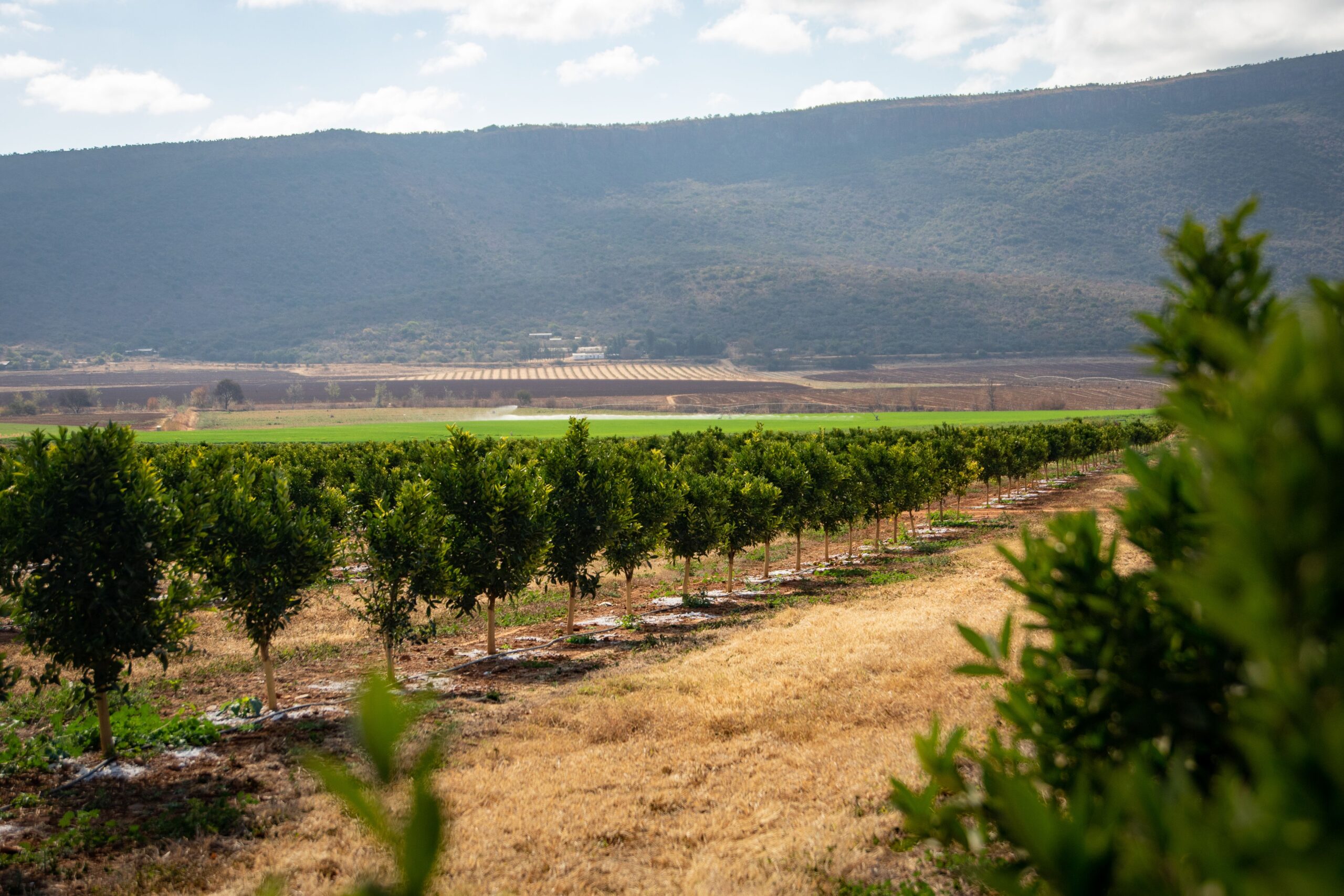
Among all the investor groups interested in Nature N Me’s Coorg and Mysore managed farmland, the Indian diaspora generates some of the most complex enquiries — not because the investment is complicated, but because the legal framework governing NRI property acquisition in India is genuinely complex and frequently misunderstood. This article provides the most complete, honest guide available to NRIs and OCI cardholders exploring Coorg farmland investment.
The Fundamental FEMA Framework
Foreign Exchange Management Act (FEMA) regulations govern how non-residents can acquire property in India. The key provisions relevant to agricultural land:
Non-resident Indian (NRI) — an Indian citizen residing abroad — is generally prohibited from purchasing agricultural land, plantation property, or farmhouses in India under the current FEMA framework. This prohibition has been in place since the original Foreign Exchange Regulation Act era and was maintained when FEMA replaced FERA.
Overseas Citizen of India (OCI) cardholder — a person of Indian origin who holds foreign citizenship — is also specifically prohibited from purchasing agricultural land, plantation property, or farmhouses in India. This prohibition is explicitly stated in FEMA regulations and RBI Master Directions on acquisition and transfer of immovable property in India.
These are not interpretive ambiguities — they are explicit regulatory prohibitions that apply to both NRIs and OCI cardholders regardless of the amount being invested, the purpose of the investment, or the investor’s professional standing.
Why This Is Frequently Misunderstood
The confusion arises because OCI cardholders have rights equivalent to Indian citizens for most purposes — right to work, right to study, multiple-entry visa, and most economic rights. The agricultural land prohibition is a specific carve-out that is easy to miss when OCI rights are described at the general level.
Additionally, some managed farmland marketing inadvertently creates the impression that NRI investment in agricultural land is straightforward — without the specific FEMA qualification that NRI agricultural land purchase is restricted. This creates situations where NRI investors have initiated purchase conversations without understanding the legal constraint they face.
Who Can Buy: The Resident Indian Pathway
The most common practical pathway for NRI and OCI families wanting Coorg farmland is through resident Indian family members who hold Indian citizenship. A parent, sibling, spouse (if Indian citizen), or adult child who is a resident Indian citizen can purchase agricultural land in Coorg in their individual name — without any FEMA restriction — using funds legitimately available to them.
The NRI or OCI family member can gift money to the resident Indian family member (subject to normal gift documentation requirements), who uses those funds to purchase the agricultural land in their own name. The resident Indian family member is the registered owner; the NRI or OCI family member benefits from the investment through the family relationship without directly holding title.
This is not a workaround or a circumvention — it is a straightforward application of the legal framework. The resident Indian family member is a legitimate buyer exercising rights they hold as an Indian citizen. The funding source is a family gift, which is legally documented and reportable.
The Returned Resident Pathway
An NRI who has returned to India and resumed resident status — meaning they spend the majority of the year in India and have changed their FEMA status from non-resident to resident — is no longer subject to the NRI agricultural land purchase restriction. A returned NRI who has been resident in India for at least the required period can purchase agricultural land in Coorg in their own name without FEMA restriction.
For diaspora members who are actively planning a return to India in the next few years, the timing of the farmland purchase relative to the return date may be a relevant planning consideration.
Inheritance: The One Exception to the Purchase Prohibition
Both NRIs and OCI cardholders can legally receive agricultural land in India through inheritance — they cannot purchase it, but they can inherit it from relatives. An OCI cardholder who inherits agricultural land from a deceased Indian parent or sibling is not in violation of FEMA — the inheritance is a legal mode of acquisition that is specifically exempt from the purchase prohibition.
This means that a resident Indian parent who purchases Coorg farmland and subsequently bequeaths it in a will to an OCI cardholder child is creating a valid inheritance of agricultural land that FEMA permits. The purchase by the parent is legal; the inheritance by the OCI child is legal. The OCI child then holds agricultural land inherited from a resident Indian — a position that FEMA explicitly permits.
The Repatriation of Agricultural Income: What Is Permitted
For OCI cardholders who inherit agricultural land (the permitted acquisition mode), the agricultural income generated from that land can be repatriated to their foreign bank account under RBI’s general permission for repatriation of current income by non-residents — subject to applicable tax compliance and FEMA remittance documentation.
This means the long-term investment model — resident Indian purchases agricultural land, generates income and appreciation, inherits/bequeaths to OCI children who continue receiving income — is legally viable end-to-end with appropriate structuring.
What NRI Investors Should Do First
Before any investment conversation about Coorg farmland, NRI and OCI investors should consult a FEMA-qualified lawyer who can assess their specific residency status, citizenship status, and family situation and provide a written legal opinion on the appropriate acquisition structure.
Nature N Me actively facilitates introductions to FEMA-qualified legal advisors for NRI enquirers. We do not offer legal advice, but we ensure that every NRI or OCI investor we work with enters the investment with correct legal understanding rather than assumptions that create future complications.
Disclaimer: The information provided in this article is for general informational and educational purposes only and does not constitute formal legal, tax, or financial advice. Foreign Exchange Management Act (FEMA) rules, RBI guidelines, and local agricultural land regulations in Karnataka are subject to change. NRI and OCI investors should consult a FEMA-qualified legal professional or tax practitioner to evaluate their specific residency status and individual legal pathways before entering into any land transactions.