
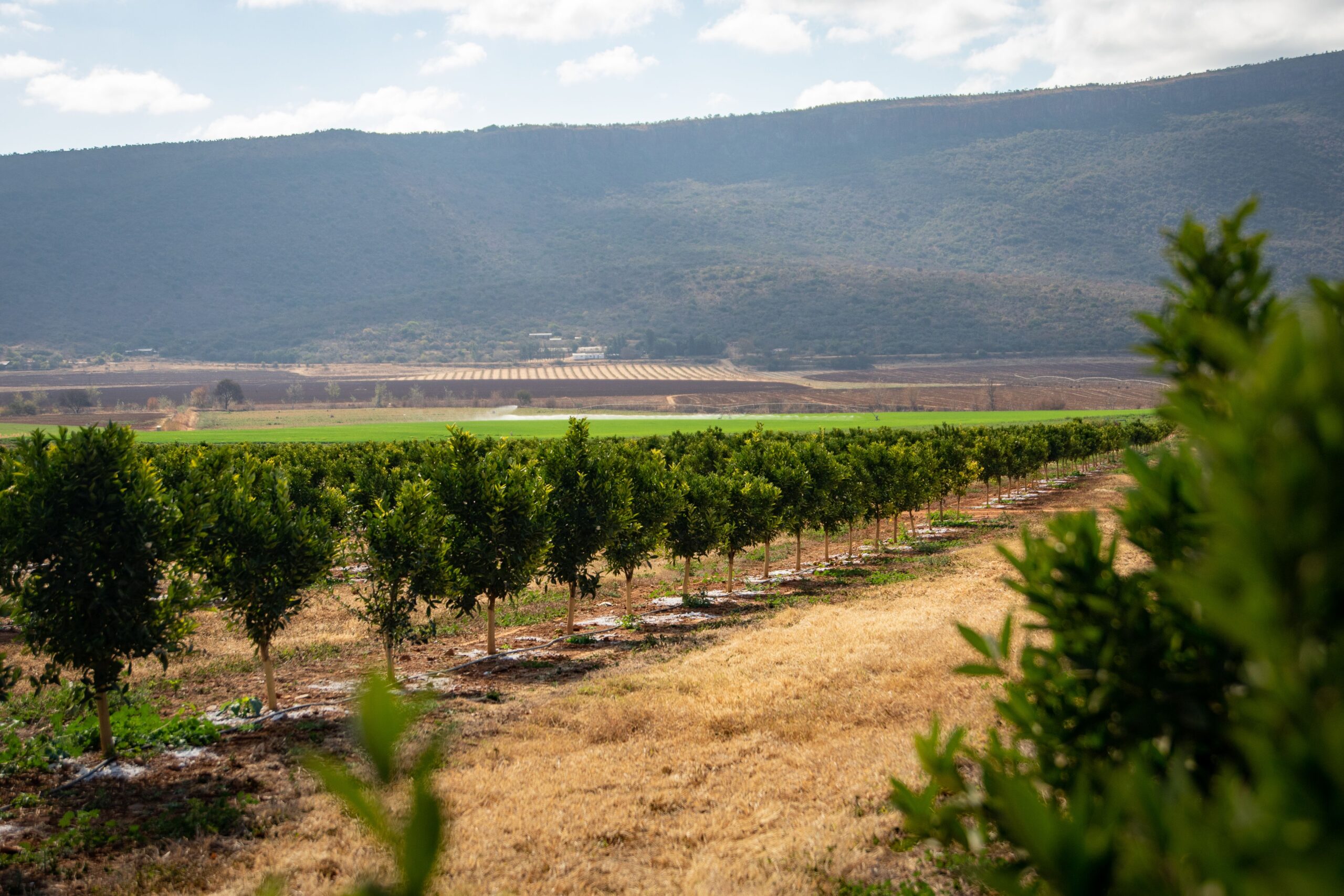
The standard managed farmland investment narrative is that the investor receives agricultural income annually — tax-free — and uses it to supplement their lifestyle, reduce their tax burden, or simply enjoy as passive income. This is a completely valid use of the income, and the tax-free nature of it makes every rupee significantly more valuable than a comparable rupee of taxable income.
But there is a second option that produces dramatically more total wealth over time: not spending the agricultural income at all, but systematically reinvesting it into additional Coorg farmland at the earliest opportunity. The compounding effect of this reinvestment strategy — crop income buying more land, which generates more crop income, which buys more land — creates a wealth acceleration curve that passive receipt of income alone does not approach.
The Reinvestment Mathematics: A Specific Illustration
Assume an investor purchases two acres of Madikeri managed farmland in 2026 for twenty lakhs. Land appreciates at twelve percent annually. Crop income begins modestly in year two and builds to approximately one lakh fifty thousand per year by year five as the estate reaches full production.
Strategy A — Spend the income: The investor receives and spends the annual crop income. By year ten, the land is worth approximately sixty-two lakhs (twelve percent annual appreciation). Total wealth created: forty-two lakhs in appreciation. Crop income received and spent across years two to ten: approximately twelve to fourteen lakhs cumulative — enjoyed but not retained.
Strategy B — Reinvest in additional land: The investor saves the annual crop income and uses it to purchase additional Madikeri farmland as each accumulated tranche reaches a one-acre purchase threshold. By year five, approximately five lakhs of accumulated crop income is reinvested in one third of an acre of additional land. By year seven, another tranche funds an additional quarter acre. The additional land generates its own crop income, which is also reinvested.
By year ten: the original two acres has appreciated to sixty-two lakhs. The additional farmland purchased through reinvested crop income — approximately half an acre over ten years — has appreciated from seven and a half lakhs purchase price to approximately twenty-three lakhs. Total wealth: eighty-five lakhs versus sixty-two lakhs from Strategy A. The reinvestment strategy creates twenty-three additional lakhs of wealth by year ten — forty percent more than the spend-the-income strategy — from the same initial twenty-lakh investment.
The Compounding Acceleration Across Longer Horizons
The mathematics of reinvestment compounding become dramatically more powerful across twenty to thirty year horizons. At twenty years, the reinvestment strategy’s accumulation advantage over the income-spending strategy widens significantly — because each additional land parcel purchased through reinvested income is itself generating crop income and appreciating for progressively longer periods.
An investor who starts with a modest initial position and systematically reinvests every rupee of agricultural income for fifteen years can multiply their initial land holding several times over purely from reinvested crop income — without any additional capital from salary savings. The agricultural income becomes the engine of position building that grows the farmland portfolio independently of the investor’s continued employment and savings capacity.
The Practical Implementation
The reinvestment strategy requires discipline — specifically, the discipline to treat agricultural income as capital to be redeployed rather than as income to be spent. This is easier to maintain when the income is arriving into a dedicated account that is explicitly designated for land purchase savings, rather than flowing into the same account as salary income where it is naturally absorbed into lifestyle spending.
Nature N Me works with investors who have explicit reinvestment strategies — alerting them when new plots become available at appropriate price points when their accumulated income has reached a viable purchase threshold.
Disclaimer: The financial projections, appreciation rates, and crop yield estimates presented in this article are based on historical trends and illustrative models for educational purposes only. Actual land value growth and agricultural returns on Coorg managed farmland depend on market fluctuations, weather patterns, and site-specific conditions. This content does not constitute formal financial, tax, or investment advice. Prospective investors should perform independent financial and legal due diligence before purchasing property.