
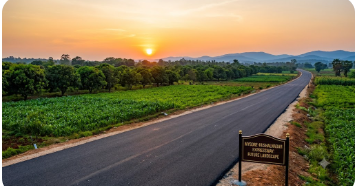
When the monsoon arrives, Coorg transforms into an emerald paradise. The misty hills, swollen waterfalls, roaring streams, and heavy aroma of wet soil and coffee blossoms make a rainy trip to Kodagu an unforgettable experience. However, Coorg receives heavy rainfall between June and September, which means travelling here requires proper preparation to stay safe, dry, and comfortable.
Here is your essential guide on what to pack and what to avoid for a seamless monsoon trip to Coorg!
🎒 What to Pack for Coorg in the Monsoon
1. Waterproof Gear & Clothing
- Heavy-Duty Rainwear: A sturdy waterproof jacket, a full raincoat, or a heavy poncho is essential. Umbrellas are helpful for quick walks, but strong winds on hills often turn them inside out.
- Quick-Dry Clothes: Pack synthetic, nylon, or polyester clothes (like activewear or dry-fit t-shirts) that dry rapidly. Avoid heavy denim jeans or thick cotton tops, as they absorb moisture, take days to dry, and will weigh you down.
- Extra Pairs of Socks: Wet feet are inevitable; bring at least 4–5 pairs of breathable, quick-drying socks.
2. Appropriate Footwear
- Waterproof Trekking Shoes or Rubber Sandals: Leave leather shoes, white canvas sneakers, and high heels at home! Opt for high-traction, waterproof hiking shoes or durable rubber floaters/sandals (like Crocs) with good anti-slip soles.
3. Anti-Leech & Insect Protection
During the rains, leeches thrive in Coorg’s dense forests and coffee estates.
- Leech Socks: If you plan on light trekking or estate walks, leech socks are a lifesaver.
- Salt, Dettol, or Eucalyptus Oil: Carrying a small pouch of salt or a tiny spray bottle of diluted Dettol/eucalyptus oil helps detach leeches safely if one attaches to your footwear or skin.
- Insect Repellent: High humidity brings mosquitoes; keep a strong mosquito repellent cream or spray handy.
4. Electronics & Protection
- Waterproof Covers / Ziploc Bags: Store your mobile phones, power banks, camera gear, and valuable documents inside ziploc bags or dry bags inside your backpack.
- Power Bank: Monsoon storms in hill stations frequently cause power outages. A high-capacity power bank ensures your devices stay charged.
5. Essential Medicines & Toiletries
- Pack basic cold, flu, motion sickness, and allergy medications, as well as waterproof band-aids and antiseptic creams for minor scrapes.
🚫 What to Avoid During Monsoon in Coorg
1. Avoid Venturing Deep into Unmarked Streams & Waterfalls
While waterfalls like Abbey Falls or Chelavara Falls look magnificent, water levels can rise unexpectedly in minutes due to upstream flash floods. Slipping on moss-covered rocks near waterfalls is one of the biggest hazards during monsoon—stay strictly behind safety barriers and avoid swimming in swollen rivers or waterfalls.
2. Don’t Go Off-Road Trekking Without a Guide
Dense fog and mist can reduce visibility to just a few meters. Avoid trekking uncharted trails alone, especially high peaks like Tadiandamol or Kumara Parvatha, without a certified local guide.
3. Avoid Fast Driving on Ghat Roads
Continuous rain causes landslides, mudslides, and falling tree branches on winding hill roads.
- Drive slowly, keep your fog lights/low beams on, and avoid night driving on remote mountain stretches.
4. Avoid Wearing Heavy Cotton or Denim
As mentioned earlier, wet denim stays damp for days in high humidity, causing discomfort and chills.
5. Don’t Leave Food Open in Rooms
High humidity and rain lure forest bugs and insects indoors toward light sources. Keep window screens closed after sunset and food securely packed.
Quick Monsoon Travel Tips
- Homestay Comforts: Book a homestay or resort that offers in-house dining and hot water amenities so you don’t have to venture out during torrential downpours for every meal.
- Carry Cash: Rainstorms often cause network drops, rendering UPI or card machines temporarily unusable at local shops or remote petrol pumps.
“What to avoid” checklist
Venturing deep into unmarked streams & waterfalls.
Off-road trekking without a guide.
Fast driving on ghat roads, night driving in remote stretches.
Heavy cotton/denim that stays wet.
Leaving food open in rooms (insects).Venturing deep into unmarked streams & waterfalls.
Off-road trekking without a guide.
Fast driving on ghat roads, night driving in remote stretches.
Heavy cotton/denim that stays wet.
Leaving food open in rooms (insects).
Frequently Asked Questions
Is it safe to visit Coorg in monsoon?
Yes, visiting Coorg during the monsoon is safe if you stick to main routes and designated tourist areas. However, heavy rains between June and September can cause slippery paths, reduced visibility, power outages, and occasional landslides or road blockages on winding ghat roads. It is best to avoid driving at night, stay updated on local weather alerts, and plan a relaxed itinerary focused on nature and homestay comfort.
What should I pack for a monsoon trip to Coorg?
Pack quick-drying synthetic clothing (avoid heavy denim), a sturdy raincoat or heavy-duty poncho, extra pairs of breathable socks, and anti-slip waterproof footwear. Additionally, bring leech socks or salt/diluted Dettol spray if you plan to walk through estate trails, a high-capacity power bank for potential power outages, waterproof dry bags for electronics, and basic cold and flu medications.
Are waterfalls in Coorg safe during monsoon?
Waterfalls look dramatic during the monsoon, but safety varies. Viewing falls with dedicated barriers and viewing platforms (like Abbey Falls) is safe, though the descending steps can be very slippery. Entering, wading, or swimming in any natural pools, streams, or waterfalls is strictly unsafe and forbidden due to sudden flash floods, heavy water volume, and strong underwater currents.