
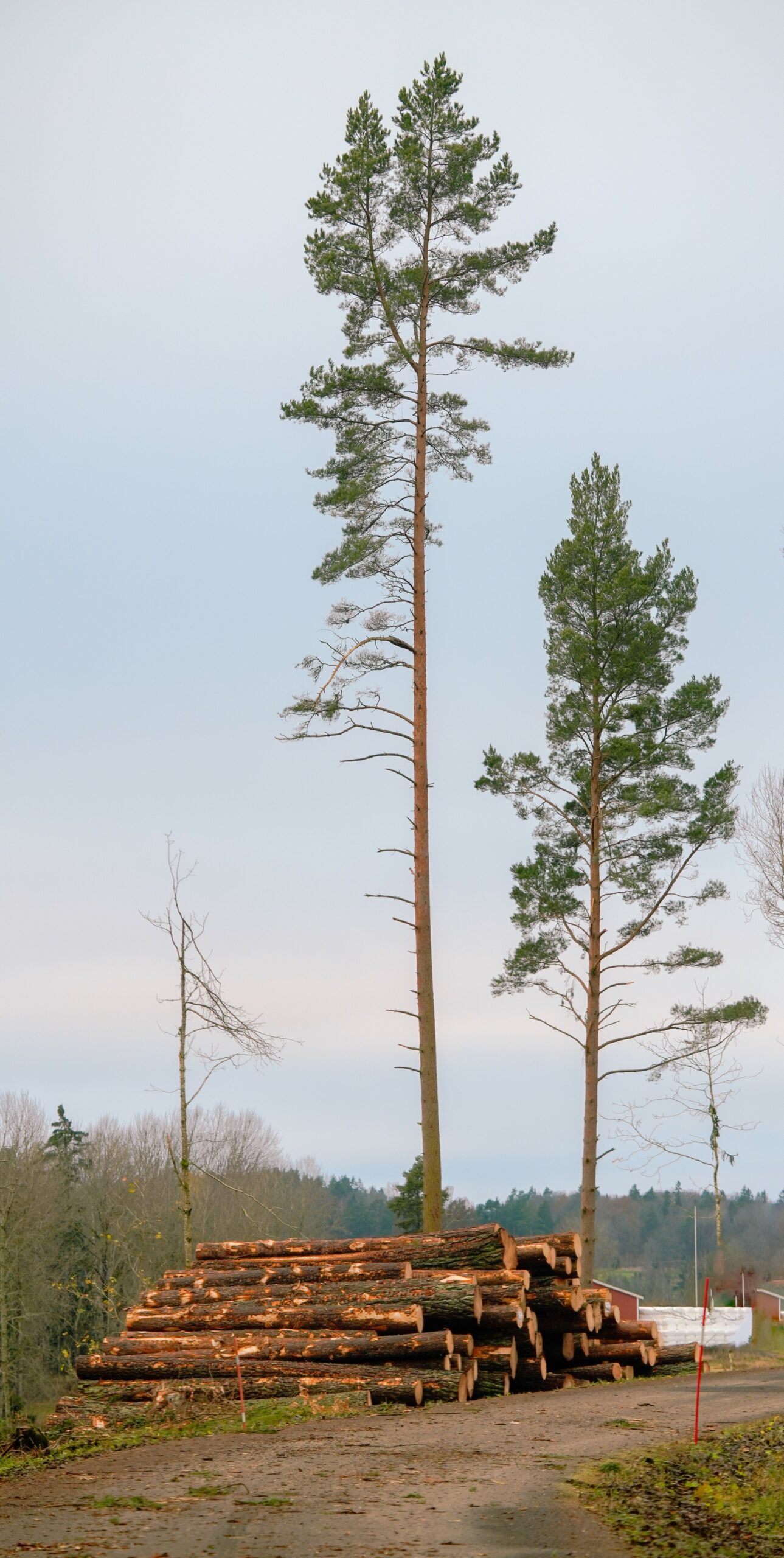
A common blind spot among Coorg coffee estate investors is the timber growing on the same land as the coffee. The coffee gets the attention — yield per plant, cupping scores, market prices. The teak trees growing in the canopy layer, the mature silver oak that has been accumulating girth for decades, the jackfruit trees that have been part of the estate for generations — these are frequently undervalued, underassessed, and in some cases unknown in their commercial worth.
For investors who already own Coorg agricultural land or who are evaluating a purchase, a timber assessment of the existing estate can reveal value that the crop income conversation has completely missed.
Silver Oak: The Annual Pruning Income and the Terminal Timber Value
Silver oak is the most common canopy tree on Coorg coffee estates — planted for shade management but possessing genuine timber value that grows with age and girth. Young silver oak prunings — from the annual November canopy management cycle — produce firewood and small-dimension timber that sells locally at two to four thousand rupees per tonne.
Mature silver oak trees — those reaching forty to sixty centimetres in girth at breast height, typically at fifteen to twenty-five years — have structural timber value in the furniture and construction markets. A mature silver oak tree of this specification can produce three to five cubic feet of usable timber, selling at eight hundred to one thousand five hundred rupees per cubic foot to local sawmills.
An estate with one hundred and fifty mature silver oak trees of harvestable size — not unusual on a well-established fifteen-to-twenty-year Coorg estate — has two to three lakhs of standing timber value in the silver oak alone, waiting to be selectively harvested as part of a rolling canopy management program.
Teak: The Premium Timber That Grows Regardless of Coffee Prices
Teak planted as part of the estate’s agroforestry system has been quietly accumulating value across every year since planting, completely independent of coffee price cycles, monsoon performance, and commodity market dynamics. A teak tree planted fifteen years ago at a Coorg estate is now approaching or at harvestable size — with heartwood beginning to develop and commercial timber value that has been building since year eight.
A well-grown fifteen-year teak tree in Coorg’s conditions may have a girth of thirty-five to fifty centimetres at breast height and a clear bole of four to six metres — worth fifty thousand to one lakh rupees at current Karnataka timber market prices, depending on specific dimensions and quality.
An estate with thirty such trees has fifteen to thirty lakhs of standing teak timber — a lump-sum value that will be realised over the next two to five years through selective harvest, entirely independent of and additional to the coffee and spice income.
Jackfruit, Rosewood, and Other Estate Timber
Traditional Coorg estates frequently include jackfruit trees that have been part of the estate for decades — some exceeding forty to sixty centimetres in girth at breast height. Jackfruit timber is dense, durable, and valued in the furniture and musical instrument industries. A mature jackfruit tree of significant size can be worth twenty thousand to sixty thousand rupees depending on dimensions.
Indian rosewood (Dalbergia latifolia), where present on older Coorg estates, is among the most valuable timber species in India — but is subject to strict regulations on cutting and transport. Any rosewood on an estate requires specific legal assessment before harvest planning.
How to Get a Timber Assessment Done
A qualified timber assessor — typically engaged through the Karnataka Forest Department’s registered contractor network or through local timber dealers — can walk an estate and provide a standing timber valuation. This assessment, which costs a few thousand rupees for a typical five-to-ten-acre estate, quantifies the timber value that most coffee estate valuations entirely ignore.
For investors evaluating a Coorg estate purchase, requesting a timber assessment alongside the coffee income documentation provides a complete picture of the estate’s total asset value.
Contact Nature N Me at naturenme.in or WhatsApp +91 98805 21637 to understand the timber composition and assessment on available Madikeri plots.