
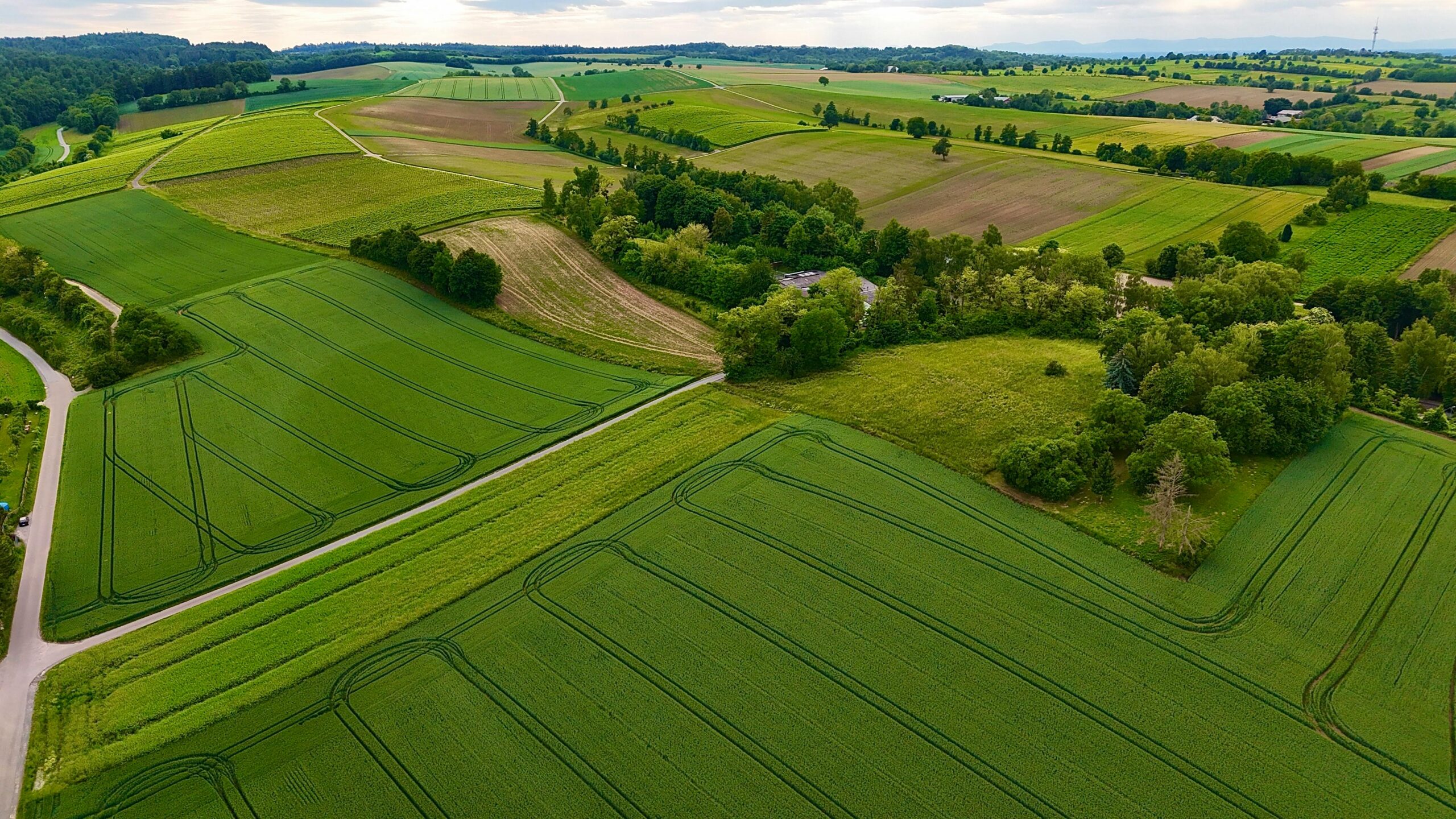
A farmland investment trip to Coorg is not a holiday — though it will feel like one in the best parts. It is a working visit designed to give you everything you need to make a well-informed, confident decision about one of the most significant investments you will make. Forty-eight hours, used well, is enough. Here is how to use them.
Before You Leave Bangalore: The Preparation That Determines the Trip
The single most important preparation step is requesting documentation in advance from Nature N Me. Ask for the RTC, encumbrance certificate, survey sketch, bore well test data, and crop income history for the specific plot you are visiting — at least three days before the trip. This gives you time to review them, identify questions, and arrive at the farm visit with specific things to verify rather than seeing everything for the first time.
Engage or identify your independent lawyer before the trip. You do not need the lawyer to come with you — their role is to review documents you will collect — but knowing who will be doing the independent review gives you confidence to collect what is needed during the visit.
Check the specific GPS coordinates of the plot and verify them on Google Earth before leaving. Note the altitude shown by Google Earth’s elevation display. Know whether you are visiting a one-thousand-metre plot or an eight-hundred-metre plot before you arrive — it affects everything you will observe.
Download offline maps of the Madikeri area on your phone. Mobile coverage in some rural Coorg areas is patchy.
Day One: The Drive, the Arrival, and the First Walk
Leave Bangalore at six in the morning. The expressway through Mysore is the fastest route — reach Kushalnagar by eight-thirty, and Madikeri by ten to ten-thirty after the ghat road climb.
Check in to your Madikeri accommodation first — leave luggage, freshen up, have a quick breakfast. The farm visit begins after eleven.
The first walk of the plot is the most important activity of the entire trip. Walk with the farm manager for the full boundary — every corner of the survey number, every water source, every section of crop. Ask questions throughout: which plants are oldest, which section produces most, where the water goes in heavy rain, what the most challenging management issue on this plot is. Listen for specific, honest answers rather than generic reassurance.
Take photographs of everything — boundary markers, water sources, crop health, access road, neighbouring plots. These become your reference for everything the documents describe.
By late afternoon you have the physical picture. Spend the evening reviewing what you have seen against the documentation — do the RTC boundaries match what you walked? Does the bore well location match the infrastructure you saw? Does the income history match what the crop stand you observed would plausibly produce?
Day One Evening: Madikeri Town
Dinner in Madikeri town — the local Kodava restaurants are excellent for authentic regional food. The town itself is worth an evening walk — the Madikeri Fort (Raja’s Fort), the Omkareshwara Temple, and the main market area give you a sense of the district headquarters’ character.
This evening in town is also when conversations with local residents — at restaurants, at shops — give you an informal picture of the local property market and agricultural economy that no formal document provides. What are people saying about land prices, about the coffee harvest just completed, about who is buying and at what prices? Local knowledge is valuable due diligence.
Day Two Morning: The Financial and Legal Verification Morning
The second morning is for focused documentation work. With the physical walk of the previous day as your reference, go through the documentation package with a specific checklist — our twenty-five-point checklist from an earlier blog is a useful framework.
Identify any questions the documents have not answered and ask the Nature N Me team directly. If the sub-registrar’s office is accessible for any direct verification — the encumbrance certificate, the RTC, the PTCL clearance — visit it with the farm manager or Nature N Me’s representative.
By noon, you have a complete picture: the physical estate you have walked, the documentation you have reviewed, and the financial history you have assessed. You are equipped to make an informed decision.
Day Two Afternoon: The Return Decision Drive
Leave Madikeri for Bangalore in the early afternoon — the drive back on a Sunday afternoon is manageable if you leave by two and arrive in Bangalore by seven to eight in the evening.
The drive back is when many investors find their decision clarifying without effort. The distance from the farm — and from the sensory richness of the physical visit — creates the perspective that allows the financial and legal assessment to integrate with the experiential impression. By the time you reach Bangalore, you typically know what you want to do.
After the Trip: The Decision Timeline
Share the documents collected during the trip with your independent lawyer within three days of return. A good Karnataka property lawyer can provide a written title opinion within five to seven working days.
If the legal opinion is clean, the decision is straightforward. If it identifies questions, discuss them with Nature N Me’s team and your lawyer before proceeding. Most concerns identified by independent lawyers on Nature N Me’s plots are addressable — and the willingness to have documents independently reviewed before purchase is itself a transparency signal that reflects the quality of the documentation we provide.
Disclaimer: The information provided in this guide is for general informational and educational purposes only and does not constitute formal legal, financial, or investment advice. Farmland investments carry inherent risks, including regulatory, environmental, and market uncertainties. Property laws and agricultural regulations varies by state, including specific land ownership rules in Karnataka. Readers are strongly advised to conduct independent due diligence and consult with qualified legal, legal-title, and financial professionals before entering into any real estate transactions or financial commitments. Nature N Me does not guarantee specific yields, returns, or legal outcomes.
Frequently Asked Questions
1. What key documents should I verify before visiting or purchasing?
You should review the RTC (Record of Rights, Tenancy and Crops), Encumbrance Certificate (EC) for the last 13–30 years, Survey Sketch/Tippani, Borewell Test Data, and proof of clear title/PTCL clearance.
2. How long does a legal title review usually take?
A qualified Karnataka property lawyer typically takes 5 to 7 working days to issue a formal title opinion once all required documents are provided.
3. Can I complete an evaluation in just 48 hours?
Yes. A 48-hour trip allows sufficient time to physically walk the full plot boundary, inspect water infrastructure and crop health, talk to locals, and cross-reference your findings against the provided paperwork.