
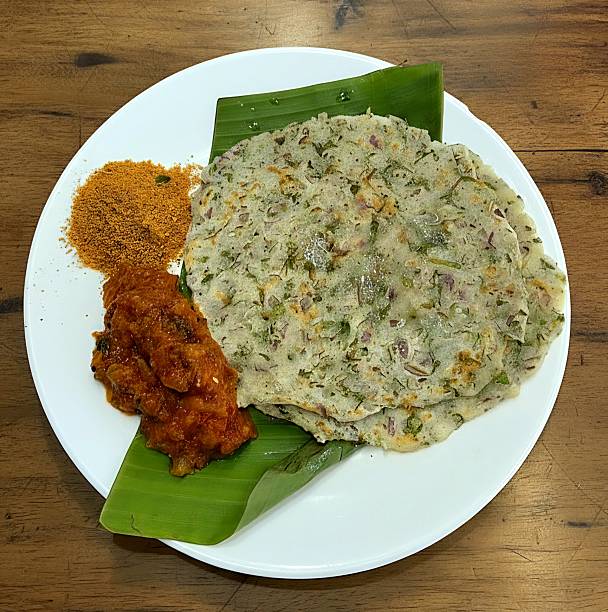
Kodava cuisine is rich, distinct, and deeply rooted in the agricultural traditions of the Western Ghats. Known for its clever use of local spices, coconut, wild mushrooms, bamboo shoots, and signature tartness from Kachampuli (a wild dark vinegar unique to Coorg), eating local food is an absolute highlight of visiting the region.
Here are the traditional dishes and local drinks you shouldn’t miss:
🥩 Signature Non-Vegetarian Dishes
- Pandi Curry (Pork Curry): The absolute crown jewel of Kodava cuisine. Tender pieces of pork are slow-cooked in a dark, deeply aromatic spice blend and finished with local Kachampuli vinegar, giving it a rich, spicy, and tangy flavor profile.
- Koli Curry (Coorgi Chicken Curry): A fragrant, coconut-based chicken curry infused with freshly ground local spices, coriander, and green chillies. Best paired with hot rice dumplings or string hoppers.
- Meen Curry (Fish Curry): Fresh water or coastal fish cooked in a spicy, dark gravy souring agent, offering a delicious coastal-meets-hill-station flavor.
🌾 Traditional Vegetarian Delicacies
- Kadambuttu (Steamed Rice Dumplings): Small, smooth, round rice balls steamed to perfection. They are the ultimate accompaniment to Pandi Curry or Koli Curry, as they soak up rich gravies beautifully.
- Noolputtu (String Hoppers / Idiyappam): Fine, steamed rice noodles served hot with fresh coconut milk or spicy chicken and vegetable curries.
- Akki Oti (Rice Roti): A flatbread made from leftover cooked rice and rice flour, roasted on a griddle. Soft on the inside and slightly crispy on the outside, typically served with chutney or curry.
- Baimbale Curry (Bamboo Shoot Curry): A seasonal monsoon favorite made from tender young bamboo shoots cooked with mustard seeds, coconut, and local spices.
- Kummu Curry (Wild Mushroom Curry): Seasonal wild mushrooms collected from coffee estates during the rainy season, cooked in a spicy, earthy coconut sauce.
🍷 Local Beverages & Desserts
- Freshly Brewed Coorg Coffee: Made from locally grown Arabica or Robusta beans, served strong with hot milk and sugar (often filter coffee style).
- Homemade Fruit Wines: A famous local specialty! You’ll find non-alcoholic and light homemade wines made from passion fruit, grape, betel leaf, ginger, plum, and coffee cherries.
- Kachampuli-Infused Snacks: Crispy banana chips or roasted nuts coated with local pepper and spices.
📌 Popular Local Restaurants in Madikeri
- Raintree Restaurant: Located in a heritage home in Madikeri, serving great authentic Kodava thalis in a beautiful ambience.
- Coorg Cuisine: A cozy, no-frills local favorite right in town, widely considered one of the best spots for authentic Pandi Curry and Kadambuttu.
- Tiger Tiger: A charming, home-style eatery known for traditional Kodava hospitality and delicious thalis.
Frequently Asked Questions
Q: What is the most famous dish in Kodava cuisine?
A: Pandi Curry (slow-cooked pork curry) made with a dark spice blend and finished with local Kachampuli vinegar.
Q: What is Kachampuli and how is it used in Coorg food?
A: Kachampuli is a dark, tart vinegar made from wild Garcinia gummi-gutta fruit, used to add a signature sour, tangy flavor to curries and snacks.
Q: What are the best vegetarian dishes to try in Coorg?
A: Kadambuttu (steamed rice dumplings), Akki Oti (rice flatbread), Baimbale Curry (bamboo shoot curry), and Kummu Curry (wild mushroom curry).
Q: What local drinks should I try while visiting Coorg?
A: Freshly brewed local Arabica or Robusta filter coffee and homemade fruit wines made from passion fruit, grape, betel leaf, or coffee cherries.
Q: Where can I try authentic Kodava food in Madikeri?
A: Popular local spots include Raintree Restaurant, Coorg Cuisine, and Tiger Tiger.