
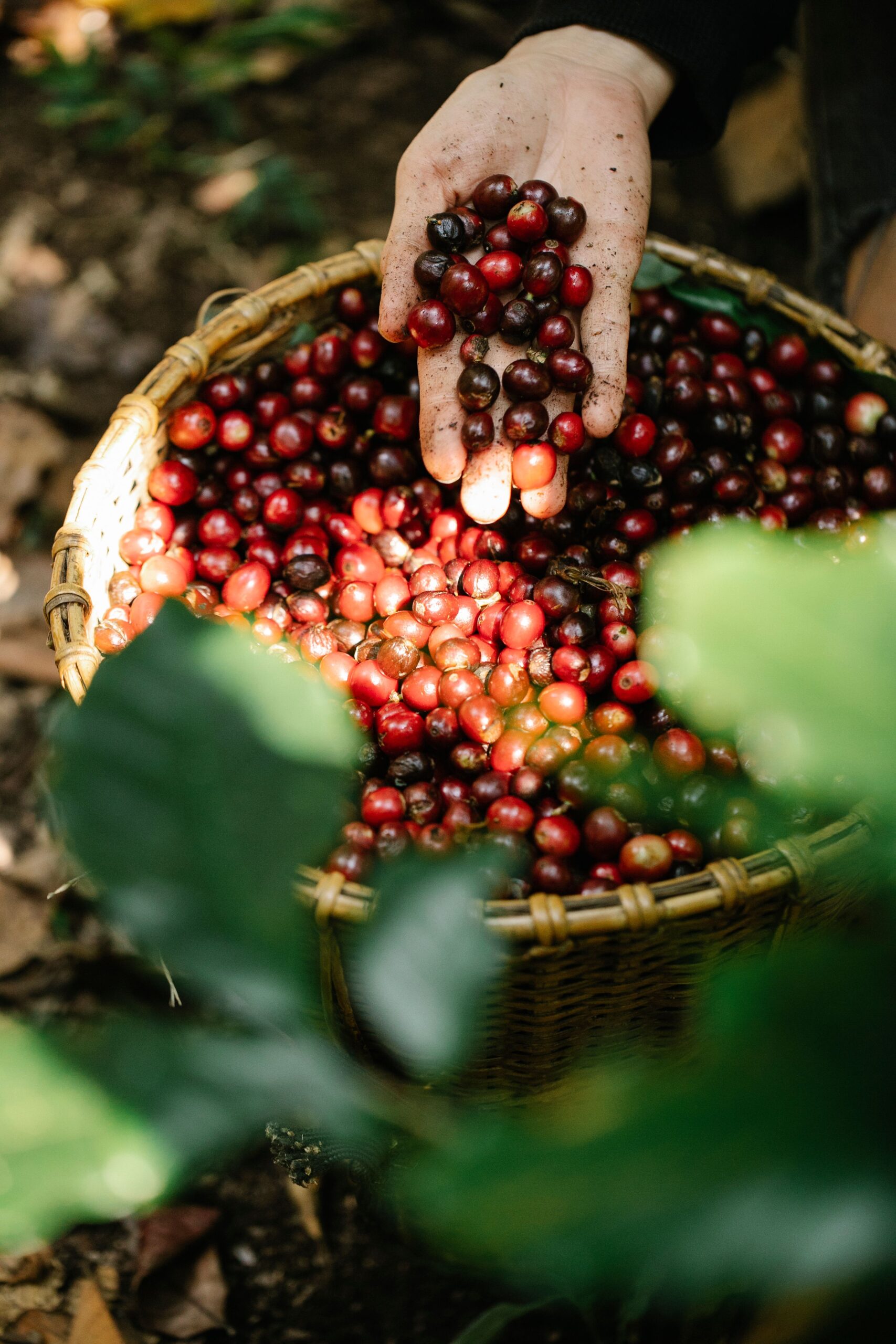
Coorg produces a major share of India’s Arabica and Robusta coffee, making a guided coffee estate tour one of the absolute must-do experiences when visiting the region.
🌿 What to Expect on a Coffee Plantation Tour
- Guided Nature Walk: Stroll through acres of shaded estates beneath giant canopy trees like silver oak, teak, and fig.
- Bean-to-Cup Process: Learn how coffee berries are grown, hand-picked, pulped, fermented, sun-dried, and roasted.
- Intercroppings & Spices: Discover how pepper vines, cardamom, cinnamon, and vanilla are grown alongside coffee plants to enrich the soil and flavor.
- Coffee Tasting Session: End the walk with a freshly brewed cup of authentic, locally grown South Indian filter coffee or single-origin espresso.
📍 Top Coffee Plantation Tours in Coorg
1. Tata Coffee / Plantation Trails (Pollibetta)
- Highlights: Sprawling heritage bungalows, heritage estate walks, and tractor or 4×4 jeep safaris through massive coffee estates.
- Best For: Luxury seekers and history buffs wanting an authentic colonial-era plantation vibe.
2. Mercara Gold Estate (Madikeri)
- Highlights: A highly educational, compact tour located very close to Madikeri town center. Covers coffee, spices, and exotic flowers.
- Best For: Families and travelers on tight schedules who want an accessible, beginner-friendly tour.
3. Evolve Back Estates (Siddapur)
- Highlights: Premium eco-tours led by resident naturalists, complete with detailed berry-sorting and roasting demonstrations.
- Best For: Travelers seeking a high-end, immersive eco-experience.
🗓️ Best Time to Experience a Tour
| Season | Months | What You’ll See |
| Harvest Season | December – February | Bright red coffee berries (cherries) ready for picking; active harvesting process in full swing. |
| Blossom Season | March – April | Fields covered in delicate white, jasmine-scented coffee blossoms. |
| Monsoon/Lush Season | June – October | Super lush green canopies and fresh spice foliage (wear waterproof boots!). |
💡 Practical Travel Tips
- Footwear: Wear sturdy closed-toe shoes or hiking boots. Leeches and uneven dirt paths are common, especially after rain.
- Insect Repellent: Apply mosquito/bug spray before heading out into the shaded canopy.
- Buying Fresh Coffee: Most estates sell packaged roasted beans or ground coffee directly at farm-gate prices—a perfect souvenir!
Frequently Asked Questions
What is included in a Coorg coffee plantation tour?
A standard coffee plantation tour usually includes a guided nature walk through shade-grown coffee trails, an explanation of the bean-to-cup process (growing, harvesting, pulping, drying, and roasting), insight into inter-cropped spices like black pepper and cardamom, and a freshly brewed coffee tasting session at the end.
How much does a coffee estate tour cost in Coorg?
Basic entry-level guided tours generally range between ₹200 and ₹500 per person for a 1-to-2-hour plantation walk. Full-day immersive experiences—which may include traditional Coorg meals, jeep safaris, and hands-on roasting workshops—can cost between ₹1,500 and ₹2,000 per person.
Which is the best coffee plantation to visit near Madikeri?
Mercara Gold Estate (located ~8 km from Madikeri town) is widely considered the best choice due to its close proximity, highly educational tours, onsite processing plant, and World Coffee Museum. For a heritage luxury safari experience, Plantation Trails by Tata Coffee in Pollibetta is another premier option.
Can I buy land after visiting a coffee estate in Coorg?
Yes, but you must meet state legal requirements. Under Karnataka land laws, non-agriculturists can purchase private agricultural/estate land, provided the property holds a clear private title (RTC) and does not fall under protected revenue or forest land classifications. Legal due diligence and title verification are essential before finalizing any deal.