
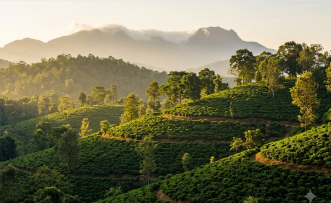
If you search “coffee estate for sale in Coorg” in 2026, you will find hundreds of listings — on 99acres, MagicBricks, Hills and Wills, and dozens of broker websites. The listings are optimistic. The photographs are beautiful. The descriptions promise clear title, perennial water, and strong annual income. What they do not tell you is frequently more important than what they do.
What the Listing Price Does Not Tell You
Agricultural land listings in Coorg range from twenty five lakhs per acre in marginal zones to forty lakhs and above per acre in premium Madikeri locations. The listing price itself tells you almost nothing about whether the land represents value — because the quality variables that determine a plot’s true agricultural and investment worth are not visible in the listing.
Two plots listed at fifty lakhs per acre in “Madikeri, Coorg” may differ by: altitude (nine hundred metres versus thirteen hundred metres, the difference between commercial Robusta and specialty Arabica), water source (seasonal stream versus perennial stream with documented bore well yield), documentation quality (clean thirty-year encumbrance versus one with an unresolved hypothecation), and crop maturity (established productive planting versus recently cleared bare land being represented as “agricultural land”).
The listing price is a starting point for conversation, not an indicator of value. Only the specific details behind the listing determine whether the price is fair, expensive, or a genuine bargain.
What “Clear Title” in a Listing Actually Means
Every listing in Coorg claims clear title. “Clear title” means different things to different brokers. At minimum, it should mean a registered sale deed in the seller’s name, current RTC mutation showing the seller’s ownership, and an encumbrance certificate showing no current registered charges.
What it often does not address: PTCL status (whether the land was ever a government grant to SC/ST families, which creates specific transfer restrictions), Jamma tenure complications (the Kodagu-specific hereditary tenure that carries restrictions on sale to non-Kodavas in some cases), forest boundary proximity (whether the survey number is truly within private agricultural land or whether it abuts or overlaps a forest boundary), and pending litigation (which may not appear in the encumbrance certificate if it is registered in a different court or at a stage before attachment).
Asking a broker whether title is clear and getting the answer “yes” is not due diligence. Due diligence is getting the specific documents and having a Karnataka property lawyer — not the broker’s recommended lawyer — review them independently.
What “20 Lakhs Annual Income” Claims Actually Mean
Coffee estate listings frequently claim impressive annual income figures. What they rarely specify is whether this is gross income before labour, inputs, and management costs, or net income after all expenses. The difference between gross and net in a well-managed Coorg coffee estate is typically forty to sixty percent — meaning a gross income claim of twenty lakhs per year may represent net income of eight to twelve lakhs.
They also rarely specify the income history. A claim of twenty lakhs annual income might be based on one exceptional year when coffee prices were at cycle peak, presented as if it is the normal annual figure.
Ask for three years of documented income statements — harvest weights, sale prices, and cost breakdowns — rather than accepting a single income claim.
What Nature N Me Does Differently
Every plot Nature N Me offers to investors comes with independently verified documentation that we share before any commitment, specific bore well test data from dry-season measurements, three years of crop income history where available, and PTCL and Jamma status verified by legal counsel. The information standard we apply is what genuine due diligence requires — not the minimum that gets a listing posted online.
Contact Nature N Me at naturenme.in or WhatsApp +91 98805 21637 for the full documentation package on available Coorg and Madikeri plots.
Disclaimer: The information provided in this article is for general informational and educational purposes only and does not constitute formal legal, financial, or real estate advice. Property titles, land usage rules (including PTCL and Jamma tenure), and agricultural yields vary significantly by location. Readers are strongly advised to perform independent legal due diligence with a qualified property lawyer before entering into any land transactions.
Frequently Asked Questions
What does the per-acre listing price of a Coorg coffee estate actually tell you?
The listing price is only a starting point. It does not reflect critical value factors such as altitude (which dictates Robusta vs. Arabica quality), water permanence, land documentation status, or crop maturity.
What should “clear title” include beyond standard sale deeds?
In addition to registered deeds and current RTC mutations, a true clear title check must verify PTCL compliance (SC/ST government grant restrictions), Jamma tenure restrictions, precise forest boundary proximity, and any unrecorded pending litigation.
How should buyers evaluate claimed annual crop income?
Buyers should ask for at least three years of documented income statements (harvest weights, market sale prices, and cost breakdowns). Claimed figures often represent gross revenue before subtracting 40% to 60% in labor and operational expenses.
Why is altitude significant when buying a coffee plantation in Coorg?
Altitude directly determines crop performance and value—lower to mid-altitudes (~900m) are suited for commercial Robusta, while higher elevations (~1300m+) allow for premium specialty Arabica cultivation.