
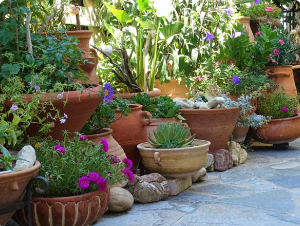
Starting an organic vegetable garden at home is one of the most rewarding ways to enjoy fresh, chemical-free produce right from your doorstep. Whether you have a spacious backyard or a compact apartment balcony, growing your own vegetables in Indian weather conditions is far easier than it seems.
Here is a step-by-step beginner’s guide to setting up your own thriving organic home garden.
1. Choose the Right Location
Vegetables need adequate light to perform photosynthesis and produce healthy fruit. Assess your home space and choose a spot based on sunlight availability:
- Sunlight Requirement: Most vegetable plants need 4 to 6 hours of direct sunlight daily.
- Balcony & Terrace: Ideal for container gardening. Terraces offer maximum sunlight, while south- or east-facing balconies work best.
- Courtyard or Backyard: Great for direct ground planting or raised beds. Ensure the area has proper drainage so water doesn’t pool around roots during heavy monsoons.
2. Select Easy Vegetables for Indian Weather
If you are a beginner, start with low-maintenance, fast-growing crops suited for Indian tropical and sub-tropical climates:
- Leafy Greens: Spinach (Palak) and Coriander (Dhania) (Fast-growing and great for small pots).
- Fruiting Vegetables: Tomatoes, Green Chillies, Okra (Bhindi), and Brinjal (Baingan).
- Seasonal Planning: Plant leafy greens and gourds during the warm monsoons, and shift to cool-season crops like carrots, radishes, and peas in winter.
3. Prepare a Nutrient-Rich Organic Potting Mix
Healthy soil is the foundation of organic gardening. Avoid using plain garden soil, as it becomes compact in pots and restricts root growth.
The Ideal Organic Potting Mix Ratio:
- 1 Part Garden Soil: Provides basic structure and minerals.
- 1 Part Cocopeat: Retains moisture, keeps the soil light, and aids aeration.
- 1 Part Organic Compost: (Vermicompost or well-rotted cow dung manure) Delivers vital nutrients naturally.
- Optional Boosters: Add a handful of Neem Cake Powder to protect roots from fungal attacks and soil pests.
4. Water Properly Based on Season & Container Size
Improper watering is the leading cause of plant failure for beginners.
- Check Before Watering: Insert your finger an inch into the soil. Water only if the top layer feels dry to the touch.
- Summer Care: Plants in containers dry out quickly under intense sun; water thoroughly early in the morning and once in the late afternoon if needed.
- Monsoon Care: Reduce watering frequency and ensure your pots have clear drainage holes at the bottom to prevent root rot.
5. Natural Plant Protection (Pest & Disease Control)
Chemical pesticides destroy beneficial microbes in organic soil. Keep your plants healthy using eco-friendly alternatives:
- Neem Oil Spray: Mix 5 ml of cold-pressed neem oil and 2–3 drops of mild liquid soap in 1 liter of water. Spray on leaves once every 10–14 days to prevent aphids, mealybugs, and whiteflies.
- Compost Tea: Soak a handful of vermicompost in water overnight, strain it, and apply it to roots or foliage as a natural liquid booster.
- Companion Planting: Plant marigolds or basil alongside your vegetables to deter harmful insects naturally.
6. Harvest Regularly to Encourage Growth
Harvesting at the right time not only gives you fresh vegetables but also stimulates the plant to produce more yields:
- Leafy Greens: Snip outer leaves of spinach and coriander, leaving the central stem intact to allow continuous regeneration.
- Fruiting Crops: Harvest tomatoes, chillies, and brinjal when mature using clean shears rather than pulling, which can damage stems