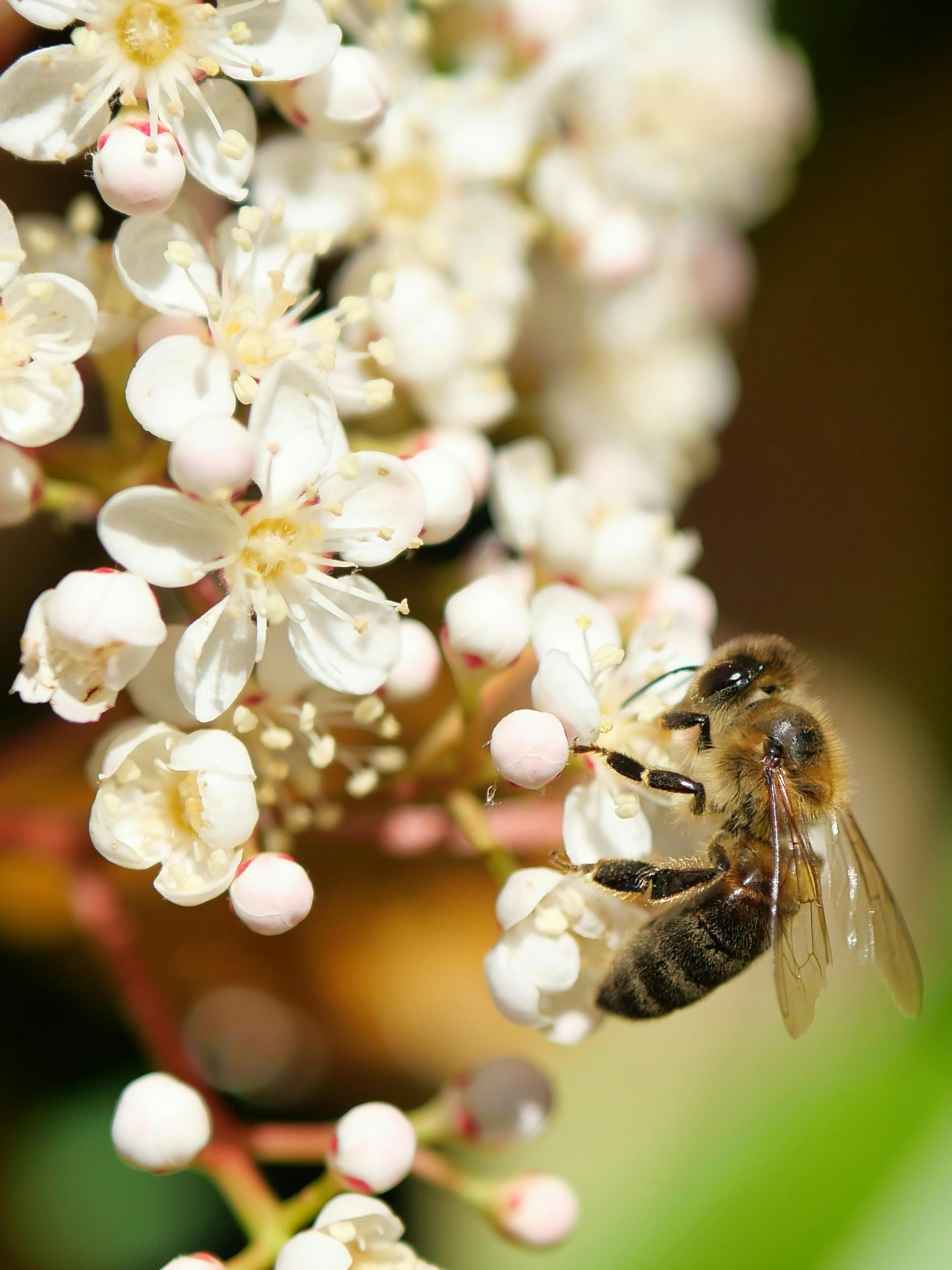
A thriving garden relies on a delicate ecosystem, and at the heart of that ecosystem are pollinators—bees, butterflies, moths, hummingbirds, and beneficial insects. Transforming your yard or balcony into a pollinator-friendly sanctuary not only boosts your garden’s yields but also supports essential biodiversity.
Why Pollinators Matter
Pollinators play a critical role in both wild ecosystems and human food systems:
- Food Production: Over 75% of the world’s flowering plants and nearly 35% of global food crops rely on animal pollinators to produce fruits, seeds, and vegetables.
- Ecosystem Health: By facilitating plant reproduction, pollinators support key habitat structures that provide food and shelter for birds, small mammals, and other wildlife.
- Biodiversity Maintenance: A rich variety of pollinators ensures plant genetic diversity, making local flora more resilient to disease, pests, and changing environmental conditions.
Best Flowers and Native Plants for Pollinators
Choosing native plants and continuous bloomers ensures pollinators have access to abundant nectar and pollen throughout the growing season.
Top Plant Choices
- Native Wildflowers (e.g., Coneflowers, Black-Eyed Susans, Milkweed): Local pollinators have co-evolved with native plants, making their nectar and pollen the most nutritious and easily accessible.
- Aromatic Herbs (e.g., Lavender, Mint, Basil, Borage): Allow some herbs to go to flower; bees especially love the rich nectar produced by flowering basil, rosemary, and thyme.
- Tubular and Bright Flowers (e.g., Salvia, Lantana, Zinnia): Bright colors like yellow, purple, blue, and red naturally attract bees, butterflies, and hummingbirds.
Pro Tip: Plant in sweeps or clumps (groups of 3 to 5 of the same plant) rather than single scattered plants. Large patches of color make it much easier for foraging bees and butterflies to spot your garden from afar.
Avoiding Harmful Chemicals
Chemical pesticides, herbicides, and synthetic fertilizers are among the biggest threats to pollinator populations, causing acute poisoning and navigational disorientation.
- Ditch Systemic Pesticides: Avoid neonicotinoids and systemic bug sprays, as they contaminate the entire plant—including the nectar and pollen.
- Embrace Organic Pest Control: Use natural remedies like neem oil, companion planting (e.g., marigolds to deter nematodes), or soapy water sprays.
- Tolerate Mild Leaf Damage: Remember that caterpillar chewing is a sign of a healthy host ecosystem for future butterflies!
- Apply Organic Treatments Wisely: If you must use organic remedies like neem oil, spray early in the morning or late in the evening when pollinators are least active.
Creating Water and Shelter Spots
Pollinators need more than just nectar—they require fresh water for hydration and safe spaces to rest, nest, and overwinter.
       [ Shallow Dish / Saucer ]
    ~~~~~~~~~ ( Water Level ) ~~~~~~~~~
    [ Pebble ] [ Rock ] [ Floating Cork ]
1. Hydration Stations
- Bee Baths: Fill a shallow dish or plant saucer with clean water and line it with pebbles, marbles, or flat stones. This provides safe landing pads so bees and butterflies can drink without risk of drowning.
- Mud Puddles: Leave a small patch of damp soil or mud. Butterflies extract essential minerals and salt from wet dirt through a behavior called “puddling.”
2. Nesting & Overwintering Sites
- Leave the Stems and Leaves: Avoid cutting down perennial hollow stems or clearing away all fallen leaves in autumn. Many native solitary bees nest inside hollow stems, while butterfly chrysalises overwinter under leaf litter.
- Provide Bare Soil: Nearly 70% of native bee species nest underground. Keep a small patch of sunny ground unmulched and undisturbed.
- Install Insect Hotels: Mount a bug hotel with varied bamboo tubes and drilled wood blocks in a warm, sheltered spot to house solitary bees.
Seasonal Tips to Keep Pollinators Active Year-Round
To keep your garden a reliable refuge, plan for continuous bloom and habitat availability across every season:
- Spring: Plant early bloomers like fruit trees, dandelions, and clover to feed queen bees emerging from hibernation hungry for energy.
- Summer: Maintain peak bloom diversity with high-nectar summer annuals and perennials. Keep water dishes topped up during hot days.
- Autumn: Grow late-blooming nectar sources such as asters, goldenrod, and sunflowers to supply monarch butterflies and bees preparing for winter.
- Winter: Leave dead flower heads, standing seed pods, and brush piles intact to protect overwintering pupae and beneficial insects from harsh frost.