
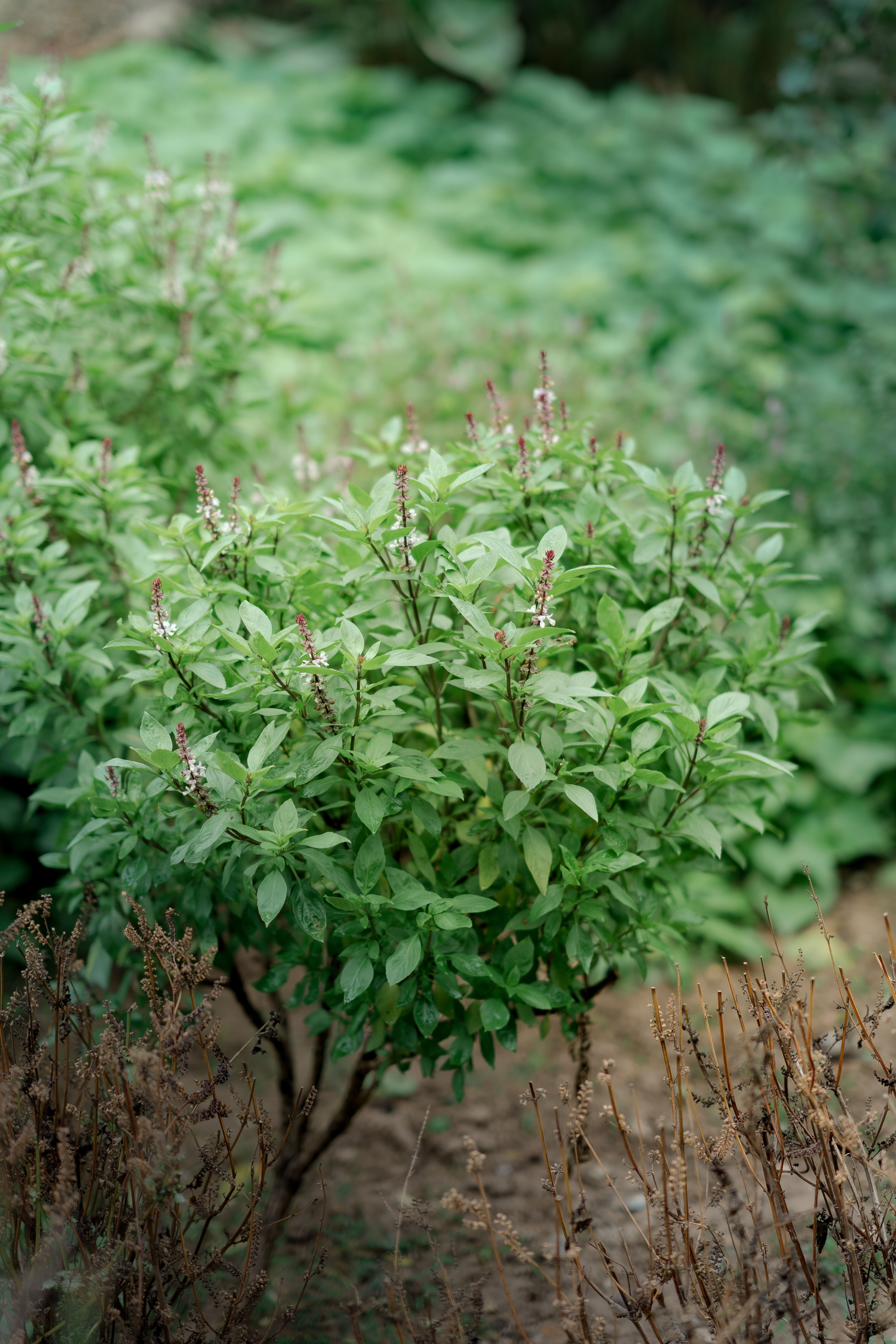
Native Plants for Indian Home Gardens:If you have ever struggled to keep exotic plants alive during a blistering Indian summer or unpredictable monsoon, you are not alone. Many imported ornamental plants require constant care, frequent watering, and specialized fertilizers just to survive.
The secret to a lush, thriving garden with minimal effort? Native plants.
Native plants are indigenous species that have naturally evolved alongside India’s climate, soil types, and wildlife over thousands of years. Integrating native flora into your home garden—whether on a modest apartment balcony or a spacious backyard—makes gardening easier, greener, and far more rewarding.
Why Choose Native Plants for Indian Gardens?
Native species are nature’s ultimate survivors. Because they are adapted to local environments, they offer distinct advantages over non-native varieties:
- Extreme Climate Tolerance: They handle scorching heatwaves, heavy monsoon rains, and seasonal shifts effortlessly.
- Low Water Consumption: Once established, their deep root systems require significantly less watering, helping you conserve water.
- Pest & Disease Resistance: Having built natural immunity against local pests, native plants rarely require harsh chemical pesticides.
- Supports Local Biodiversity: They provide vital nectar, shelter, and food for native bees, butterflies, birds, and helpful garden insects.
10 Best Native Plants for Indian Home Gardens
1. Tulsi (Holy Basil)
- Best For: Small pots, balconies, and entryways.
- Why Grow It: Revered for its medicinal and spiritual significance, Tulsi is a natural air purifier that deters mosquitoes and thrives under direct sunlight.
2. Curry Leaf (Kadi Patta)
- Best For: Medium to large pots or garden beds.
- Why Grow It: A kitchen garden essential. Fresh curry leaves add unmatched aroma to Indian dishes, and the plant thrives with minimal fuss in warm climates.
3. Jasmine (Mogra / Jasmine)
- Best For: Pots, balcony railings, or trellises near windows.
- Why Grow It: Known for its intoxicating scent, Jasmine fills summer evenings with perfume and yields abundant white blossoms throughout warm weather.
4. Hibiscus (Gudhal)
- Best For: Containers, bright sunny spots, and garden borders.
- Why Grow It: Featuring vibrant red, pink, and yellow blooms, Hibiscus is a magnet for sunbirds and butterflies while remaining remarkably low-maintenance.
5. Aparajita (Butterfly Pea)
- Best For: Fences, trellises, and balcony grills.
- Why Grow It: This fast-growing creeper produces striking cobalt-blue flowers used to make herbal blue tea. It also fixes nitrogen, enriching the soil naturally.
6. Ixora (Rukmini)
- Best For: Garden borders, low hedges, and sunny patios.
- Why Grow It: Ixora produces dense clusters of star-shaped flowers in shades of red, orange, and pink, blooming almost year-round across tropical India.
7. Kaner (Oleander)
- Best For: Fences, driveways, and outer perimeter walls.
- Why Grow It: Incredibly tough and drought-resistant, Kaner brings color to hot areas with bright pink, yellow, or white flowers that bloom continuously.
8. Marigold (Genda)
- Best For: Pots, flower beds, and vegetable garden borders.
- Why Grow It: Beyond its bright orange aesthetic, Marigold acts as a natural pest deterrent, protecting neighboring plants while attracting pollinators.
9. Neem (Azadirachta indica)
- Best For: Large pots (as a small shrub) or garden ground beds.
- Why Grow It: A legendary medicinal tree, Neem purifies the surrounding air and offers natural pest protection for neighboring flora.
10. Indian Coral Tree (Parijat / Erythrina)
- Best For: Larger landscapes, open lawns, or backyard spaces.
- Why Grow It: In larger gardens, planting a sapling creates a stunning centerpiece. Its bright crimson blooms attract honeybees and migratory birds.
Where to Position Your Plants
To maximize growth and visual appeal, pair each plant with the right location:
- Entryways & Doorsteps: Tulsi and Jasmine create a welcoming ambiance with pleasant scents and traditional charm.
- Balconies & Pots: Curry Leaf, Aparajita, Marigold, and Tulsi adapt well to container gardening.
- Garden Borders & Hedges: Ixora, Hibiscus, and Kaner provide structural depth and continuous color along paths or walls.
- Fences & Grills: Let Aparajita climb upward over trellises or railings to create natural green screens.
Simple Care Tips for Healthy Native Plants
- Sunlight First: Most Indian native plants require at least 4 to 6 hours of direct sunlight daily to produce vibrant blooms.
- Avoid Overwatering: Allow the top layer of soil to dry out between waterings. Overwatering causes root rot faster than dry spell stress.
- Use Well-Draining Soil: Mix standard garden soil with compost and coarse sand or red soil to ensure proper drainage during heavy monsoons.
- Feed Organically: Apply organic compost (vermicompost or cow manure) once every month during the active growing season.
- Prune Regularly: Snip dead blooms and leggy branches to encourage bushier growth and more flowers.
By choosing native plants, you create an effortless garden that saves time and water while helping local wildlife thrive.
Frequently asked questions
Q: What are native plants?
A: Native plants are indigenous flora species that have naturally evolved over thousands of years alongside India’s local climate, soil conditions, and native wildlife without human introduction.
Q: Why are native plants better for Indian gardens?
A: They are naturally adapted to local environments, making them highly resilient to extreme summer heat and heavy monsoons. They require significantly less water, build natural immunity against local pests, and support regional pollinators like native bees, butterflies, and birds.
Q: Which native plants need the least water?
A: Drought-tolerant species with deep root systems require minimal watering once established. Top low-water choices include Kaner (Oleander), Bougainvillea, Neem, Tulsi, and Aparajita (Butterfly Pea).
Q: Can native plants be used in Coorg home gardens?
A: Yes. Native species thrive exceptionally well in Coorg’s tropical climate and soil. Flowering native plants and creepers like Aparajita, Jasmine (Mogra), Hibiscus, and Ixora fit seamlessly into home gardens, farmhouses, and coffee estate landscapes while withstanding heavy monsoon rains.