
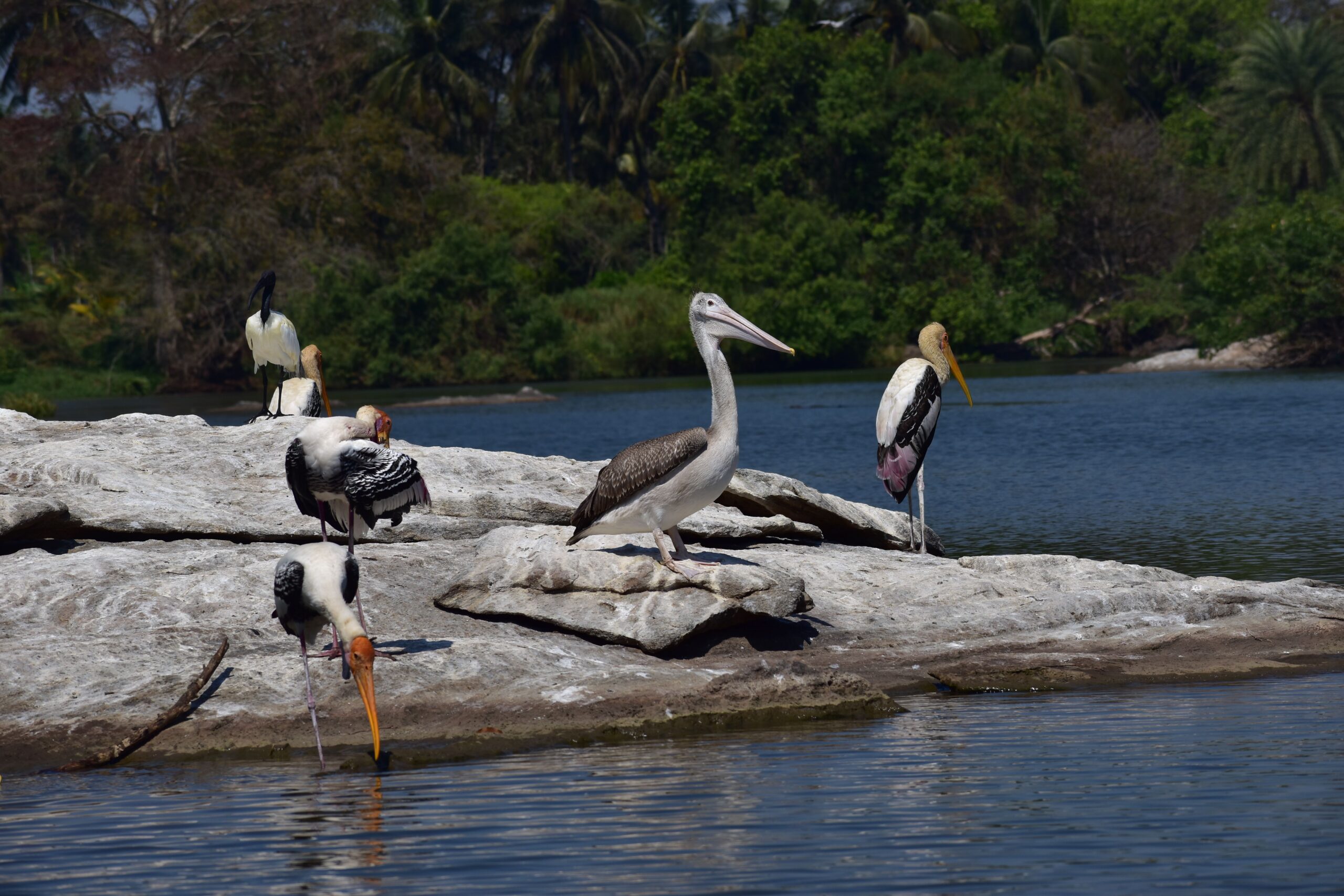
Nestled along the banks of the Kaveri River near Srirangapatna and Mysore, Ranganathittu Bird Sanctuary is Karnataka’s largest bird sanctuary and a paradise for nature enthusiasts, photographers, and birdwatchers alike. Spanning six islets along the river, this vibrant ecosystem is home to thousands of migratory and resident birds, as well as native aquatic wildlife.
Whether you’re planning a weekend getaway from Bengaluru or adding a nature escape to your Mysore itinerary, here is everything you need to know about visiting Ranganathittu Bird Sanctuary.
1. A Haven for Migratory & Resident Birds
Ranganathittu is a crucial breeding ground for a vast array of bird species, many of which travel thousands of miles from Central Asia, Siberia, and the Himalayas.
- Key Bird Species: Painted Storks, Spot-billed Pelicans, Eurasian Spoonbills, Black-headed Ibis, Asian Openbill, Cormorants, Herons, and Kingfishers.
- Nesting Season: From December to June, the islets transform into busy nesting grounds where you can observe parent birds feeding their chicks up close.
2. Iconic Guided River Boat Rides
The highlight of any trip to Ranganathittu is the guided boat safari operated by the Forest Department.
- Up-Close Viewing: Boats drift quietly around the rocky islets, bringing you just meters away from nesting birds perched on tree branches.
- Mugger Crocodiles: The Kaveri River here has a significant population of Mugger (marsh) crocodiles. It’s common to spot them basking in the sun on the rocks or gliding through the water right alongside the boats.
- Specialized Photography Boats: For serious wildlife photographers, private boat rentals can be arranged to get dedicated time and angles for the perfect shot.
3. Walking Trails & Interpretation Center
Beyond the boat ride, Ranganathittu offers well-maintained grounds to explore at your own pace:
- Shaded Bamboo Walkways: Beautiful paved trails under towering bamboo groves provide a cool, tranquil atmosphere for a morning stroll.
- Information Center: Offers educational exhibits on the sanctuary’s history, biodiversity, and conservation efforts.
- Watchtowers & Viewing Decks: Equipped with panoramic views over the Kaveri River for spotting birds with binoculars.
4. Rich History & Conservation Legacy
Ranganathittu’s status as a sanctuary owes much to India’s legendary ornithologist, Dr. Salim Ali. While observing that the islets were a preferred nesting site for diverse species, he persuaded the Maharaja of Mysore to declare the area a protected sanctuary in 1940. Today, it holds international recognition as a designated Ramsar Site (wetland of international importance).