
98805 21637 info@naturenme.in

Sweet Royalty: The Complete Guide to Mysore Pak

by | Jul 26, 2026

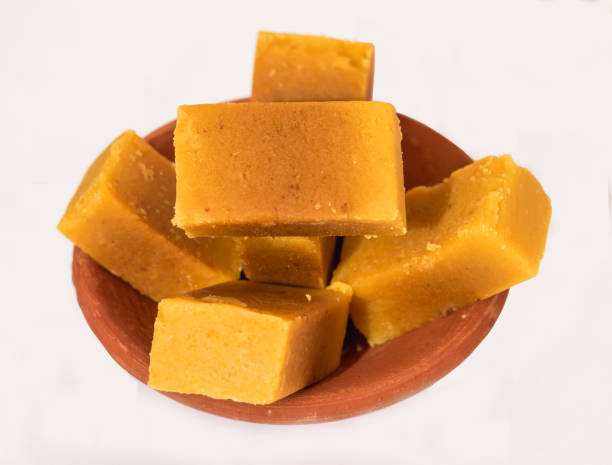
No culinary journey through Karnataka is complete without tasting Mysore Pakโ€”a rich, melt-in-your-mouth sweet crafted from ghee, sugar, and gram flour (besan). Born in the royal kitchens of the Mysore Palace over a century ago, this iconic sweet has earned international acclaim as one of the worldโ€™s finest traditional desserts.

Whether you prefer the soft, modern โ€œGhee Mysore Pakโ€ or the traditional, porous version, here is everything you need to know about Mysoreโ€™s legendary sweet treat.


1. The Royal Origin Story

The origin of Mysore Pak dates back to the 1930s during the reign of Maharaja Krishnaraja Wadiyar IV:

  • Kakasura Madappaโ€™s Creation: The royal court chef, Kakasura Madappa, was experimenting in the palace kitchen to create a unique dessert for the Kingโ€™s lunch.
  • A Royal Hit: He combined clarified butter (ghee), sugar, and chickpea flour (besan) into a smooth syrup. When asked for the name of the freshly set sweet, he quickly combined โ€œMysoreโ€ with Paka (the Kannada word for sweet syrup or concoction), giving rise to Mysore Pak.
  • Royal Seal of Approval: The Maharaja was so delighted by the taste that he declared it a royal sweet and instructed Madappa to open a sweet stall outside the palace premises so the public could enjoy it.

2. Key Ingredients & Artisanal Technique

Despite its rich taste, Mysore Pak relies on just three basic ingredients cooked with precise temperature control:

  1. Pure Desi Ghee (Clarified Butter): The primary ingredient that gives the sweet its signature rich aroma and luxurious texture.
  2. Gram Flour (Besan): Finely sieved chickpea flour roasted gently to eliminate raw flavors.
  3. Sugar Syrup: Boiled to a specific thread consistency before mixing with the besan and boiling ghee.

Recent Posts

Agricultural Land Classification Rules in Karnataka

Why Classification Is the First Thing to Check Before evaluating soil quality, crop potential, or expected returns, the single most important question about any land purchase is how it is officially classified under Karnataka's land records. This single detail...

Is Managed Farmland Recession-Proof? A Closer Look

The Question Every Cautious Investor Asks Whenever markets turn volatile, a common question resurfaces: which assets actually hold up during a downturn? Equities and real estate both have well-documented histories of significant declines during recessions. Managed...

Startup Founders and the Case for Managed Farmland

A Portfolio Concentrated in One Bet Startup founders often have a portfolio problem unique to their situation: a significant share of their net worth is tied up in equity in their own company, an asset that is illiquid, hard to value precisely, and entirely dependent...

Farmland Investment for Women Building Wealth

A Shift in Who Is Asking About Land Farmland investment conversations have historically skewed toward male family decision-makers, often the household head managing all major financial decisions. That pattern is changing. More women, particularly working professionals...

Timber and Silvopasture: Long-Term Farmland Income

The Slowest, and Sometimes Most Valuable, Crop Most conversations about farmland income focus on annual or near-annual harvests: coffee, cardamom, pepper, fruit. Timber trees work on an entirely different timescale, often taking 10 to 20 years or more to mature, but...