
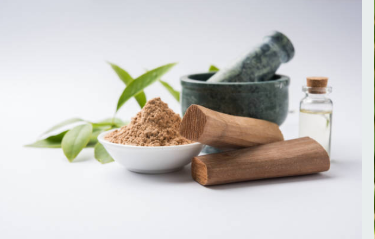
Known around the world as the “Land of Sandalwood” (Gandhada Gudi), Mysuru and its surrounding forests have been synonymous with the finest sandalwood for centuries. Renowned for its rich, sweet, and woody aroma, Mysore Sandalwood (Santalum album) is widely considered the gold standard of sandalwood globally.
From royal patronage to iconic everyday luxury products like Mysore Sandal Soap, here is everything you need to know about the fragrant heritage of Mysore sandalwood and essential oils.
1. Royal Patronage & Deep History
The story of Mysore Sandalwood is deeply intertwined with the royal Wodeyar dynasty:
- Monopoly of the Monarchy: In 1792, Tipu Sultan officially declared sandalwood a royal tree in the Mysore kingdom, making its harvesting a state monopoly to protect the precious timber.
- The First Distillate (1916): During World War I, raw sandalwood export from Mysore to Europe was disrupted. Maharaja Nalvadi Krishnaraja Wadiyar and Sir M. Visvesvaraya took a bold step to establish India’s first government sandalwood oil factory in Mysuru to extract pure oil locally.
- Creation of Mysore Sandal Soap: Inspired by a gift of sandalwood-infused soaps from Europe, the Maharaja sent chemist S.G. Sastry to England to master soap manufacturing. In 1916, the iconic oval-shaped Mysore Sandal Soap was born—crafted with 100% pure sandalwood oil.
2. Why Mysore Sandalwood Oil is World-Famous
Among all varieties of sandalwood across the globe, East Indian Sandalwood from the Mysore region holds a special place due to its chemical composition:
- High Santalol Content: Mysore sandalwood oil contains exceptionally high levels of α-santalol and β-santalol, the natural compounds responsible for its deep, warm, and lingering woody scent.
- Aromatherapy & Skincare: Pure sandalwood oil is celebrated for its natural cooling, anti-inflammatory, and skin-brightening properties. It is widely used in luxury perfumery, high-end cosmetics, and Ayurvedic treatments.
- Natural Fixative: In international haute perfumery, Mysore sandalwood oil acts as an unmatched fixative, binding other delicate fragrance notes and making them last longer on the skin.
3. Top Sandalwood Products & Souvenirs to Buy
- Mysore Sandal Soap: The world’s only soap made with 100% pure natural sandalwood oil. Look out for the premium Mysore Sandal Millennium soap for an extra-luxurious blend.
- Pure Sandalwood Oil (KSIC/KSDL): Concentrated, pure essential oil sold in small crystal bottles, ideal for skincare, aromatherapy, or natural perfumery.
- Hand-Carved Sandalwood Handicrafts: Intricately carved idols of deities, elephants, jewelry boxes, and incense stick holders (Agarbatti) that retain their fragrant scent for decades.
- Sandalwood Powder & Paste: Pure organic powder used for traditional face packs (Ubtan) and spiritual rituals.
4. GI Tag & Avoiding Counterfeits
Because sandalwood is exceptionally rare and valuable, counterfeit products and synthetic substitutes are common in local markets.
- Geographical Indication (GI): Mysore Sandalwood Oil was granted official GI status in 2006 to preserve its authenticity and heritage origin.
- Where to Buy Genuine Products in Mysuru:
- Karnataka Soaps and Detergents Limited (KSDL) Outlets: The official government manufacturer of Mysore Sandal Soap and pure sandalwood oil.
- Cauvery Handicrafts Emporium: The official state-run emporium located near the Mysore Palace, guaranteeing 100% authentic wooden carvings and oil distillates.
Frequently Asked Questions
Q: Why is Mysore Sandalwood considered the best in the world?
A: It contains exceptionally high levels of natural $\alpha$-santalol and $\beta$-santalol, giving it a rich, long-lasting woody fragrance and superior fixative properties.
Q: Is Mysore Sandal Soap made with real sandalwood oil?
A: Yes, Mysore Sandal Soap is famous for being crafted with 100% pure, natural sandalwood oil distilled locally in Karnataka.
Q: Does Mysore Sandalwood have a GI tag?
A: Yes, Mysore Sandalwood Oil was granted a Geographical Indication (GI) tag in 2006 to protect its authentic origin and heritage.
Q: Where can I buy authentic Mysore Sandalwood oil and souvenirs in Mysuru?
A: You can purchase guaranteed genuine products at government-run Karnataka Soaps and Detergents Limited (KSDL) outlets and the Cauvery Handicrafts Emporium.
Q: What are the main benefits of sandalwood oil for skin?
A: Pure sandalwood oil offers natural skin-soothing, cooling, and anti-inflammatory properties, making it ideal for acne prone skin, brightening face packs, and aromatherapy.