
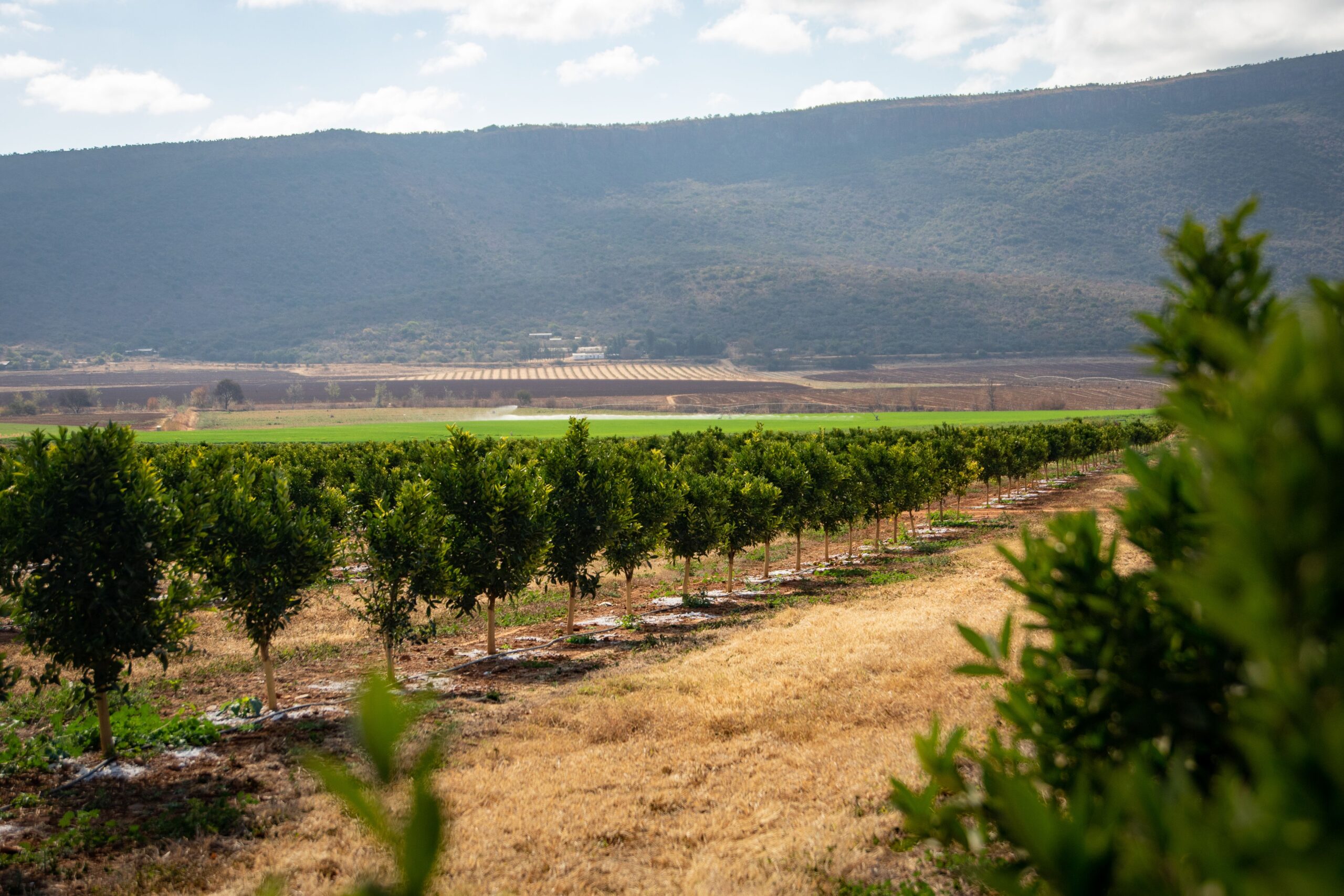
The most revealing question an investor can ask about managed farmland — and one that very few think to ask — is the simplest one: what actually happens on my farm on a random Tuesday when I am in Bangalore at my desk and nobody has told me anything different? The answer to this question is the real substance of what you are paying for in management fees, and understanding it changes how you think about the investment from an abstract financial position to a living, working operation.
6 AM: The Farm Manager Arrives
Before the investor’s alarm has gone off in Bangalore, the farm manager is already on the estate. The first walk of the day is a rapid assessment circuit — checking the irrigation system (are all drip emitters functioning? is the pump running as scheduled?), scanning the orchard rows for any visible changes from the previous day (fallen branches, signs of pest activity on leaf surfaces, any section that looks stressed), and confirming that the estate perimeter and access gate are secure.
This daily morning assessment is the early warning system that catches problems before they become expensive — a drip emitter blocked on Monday that is not noticed until Thursday means three days of water stress on the plants served by that line. The daily morning walk is why it is noticed on Monday.
8 AM to 12 PM: Seasonal Agricultural Activity
The mid-morning hours are when the majority of that day’s planned agricultural work happens. What this looks like depends entirely on where the estate is in its agricultural calendar.
In the post-monsoon months (October to December), a typical Tuesday might involve silver oak pruning in a specific section of the estate — workers with pruning tools methodically removing lower branches and canopy-thinning cuts according to the seasonal plan. Or soil preparation in a section of the orchard where fertiliser application is scheduled — spreading compost around the drip emitter radius of each fruit tree and lightly incorporating it into the surface soil.
In the pre-monsoon months (April to May), a Tuesday might be dominated by irrigation management — monitoring bore well levels, adjusting pump run times based on soil moisture assessment, checking that water is reaching the sections of the orchard most at risk from dry-season stress.
During the harvest months (for mango, May to June), Tuesday is a picking day — harvest workers moving through the orchard rows, selecting fruit at peak ripeness by size, colour, and firmness, loading into crates for transport to the packing area.
12 PM: The Farm Manager’s Observation and Recording
Midday is typically when the farm manager makes their daily notes — what was done that morning, what they observed, what requires follow-up. In Nature N Me‘s reporting system, significant observations (pest sightings, unusual plant symptoms, equipment issues, boundary concerns) are flagged immediately to the supervisor. Routine activity is logged and incorporated into the monthly update that reaches the investor.
This documentation discipline is what turns daily farm activity into investor transparency. The monthly update you receive reflects daily recorded observations rather than a retrospective impression of how the month went.
2 PM to 5 PM: Infrastructure Maintenance and Follow-Up
The afternoon typically involves maintenance activities that do not require the full morning workforce — irrigation line inspection and repair, weed management in specific sections, boundary fence checking, bore well pump maintenance, and any follow-up from the morning’s observations (a section that showed moisture stress gets additional irrigation attention, a pest observation gets a closer assessment to determine whether intervention is warranted).
What This Tuesday Means for Your Returns
Every one of these activities — repeated across every working day across the full agricultural year — is the cumulative engine that produces the crop income and asset health that your annual income statement reflects. The mango orchard that produces a good commercial yield in June does so because of hundreds of ordinary Tuesdays of irrigation management, fertiliser application, pest monitoring, and careful harvest timing that preceded it.
The management fee you pay is the cost of every one of those Tuesdays — and the agricultural income and capital appreciation you receive is their compounded return.