
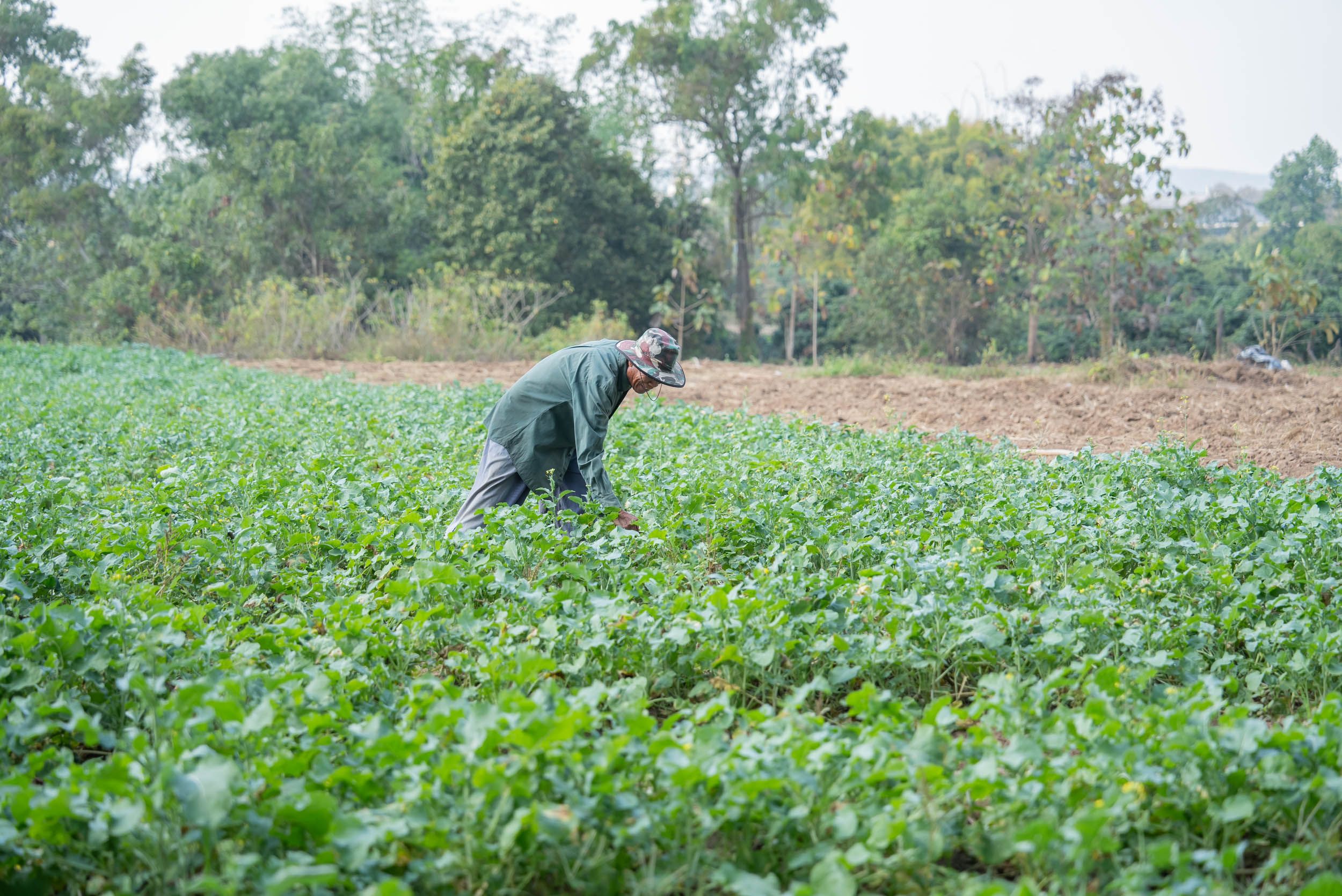
Investors who think carefully about managed farmland investment eventually arrive at a human question that return projections and crop composition tables cannot answer: who are the actual people responsible for my land, what do they know, and is there enough of them to give my specific estate genuine attention?
This is the right question to ask — and it deserves a specific, honest answer rather than a generic assurance about professional management.
The Management Team Structure
Nature N Me’s managed farmland operations are structured around a layered team model with different roles at different levels of the agricultural operation.
The farm manager is the person with primary responsibility for the day-to-day management of a cluster of plots in a given agricultural zone. A good farm manager in Nature N Me’s operational model manages a maximum of twenty to thirty acres across multiple investor plots — enough to maintain genuine individual plot attention while achieving the management scale efficiency that keeps per-acre costs reasonable. Above this acreage limit, individual plot attention becomes too diluted for quality management.
Supporting the farm manager is a pool of regular agricultural workers — experienced local labourers who work on the estates on a regular basis and who are familiar with the specific plots, the crops, and the management protocols. These are not purely seasonal workers hired at harvest time and replaced the following year — they are regular workers whose accumulated familiarity with the specific estates they tend contributes to management quality.
Above the farm manager level, Nature N Me’s agricultural supervisors provide oversight across multiple farm managers — reviewing management plans, conducting periodic estate assessments, and ensuring consistency of practices across the portfolio.
What Qualifications Matter in Agricultural Management
The most important qualification for a farm manager managing agricultural land near Mysore is specific, practical experience with the crops and conditions of this specific agricultural zone — not a formal agricultural degree without field experience.
An experienced farm manager who has managed mango orchards in the Mysore agricultural belt for ten years, who has navigated multiple mango flowering seasons, who knows the specific pest pressures of this zone and the timing responses that work — this person’s practical knowledge is more valuable to the quality of your investment than a formally credentialed agricultural graduate without field experience in these specific crops and conditions.
Nature N Me’s farm managers are recruited for demonstrated field expertise in the specific agricultural context of the zone where they work — Coorg managers for the coffee and spice system, Mysore agricultural belt managers for the fruit orchard and timber context.
The Management Ratio Question
Investors should ask any managed farmland operator directly: how many acres does each farm manager oversee? The answer tells you whether adequate individual plot attention is structurally possible.
A farm manager overseeing five hundred acres across a dispersed portfolio cannot provide the daily individual plot attention that five hundred acres of productive agricultural land requires. A farm manager overseeing twenty to twenty-five acres can. Ask this question specifically — and ask for the farm manager’s name and to speak with them during your site visit.
What You Can Verify Independently
Ask to spend an hour with the farm manager who will specifically manage your plot during your site visit. The depth of their specific knowledge of the estate — its micro-topography, its water characteristics, its crop history — reveals whether they genuinely know this land or whether they are providing a generic management service that could apply to any plot anywhere.
Disclaimer: The information provided in this article is for general educational and informational purposes only. Farm management structures, staffing ratios, and operational practices may vary depending on project location, crop type, and seasonal requirements. Past agricultural performance or specific management practices do not guarantee future yields or investment returns.