There is a category of investment that works best when you do not think about it — the SIP that you set up, ignore, and look at only when you need the money, and which has grown pleasantly in the interim. Most financial investments work better the less attention they receive between purchase and sale.
Managed farmland near Mysore is the opposite. Not because it requires active investor involvement — it does not, and the managed model is specifically designed so that it does not. But because each visit to the estate actively improves the experience and deepens the relationship with the investment in ways that have no equivalent in financial instruments.
What Improves Between Visits
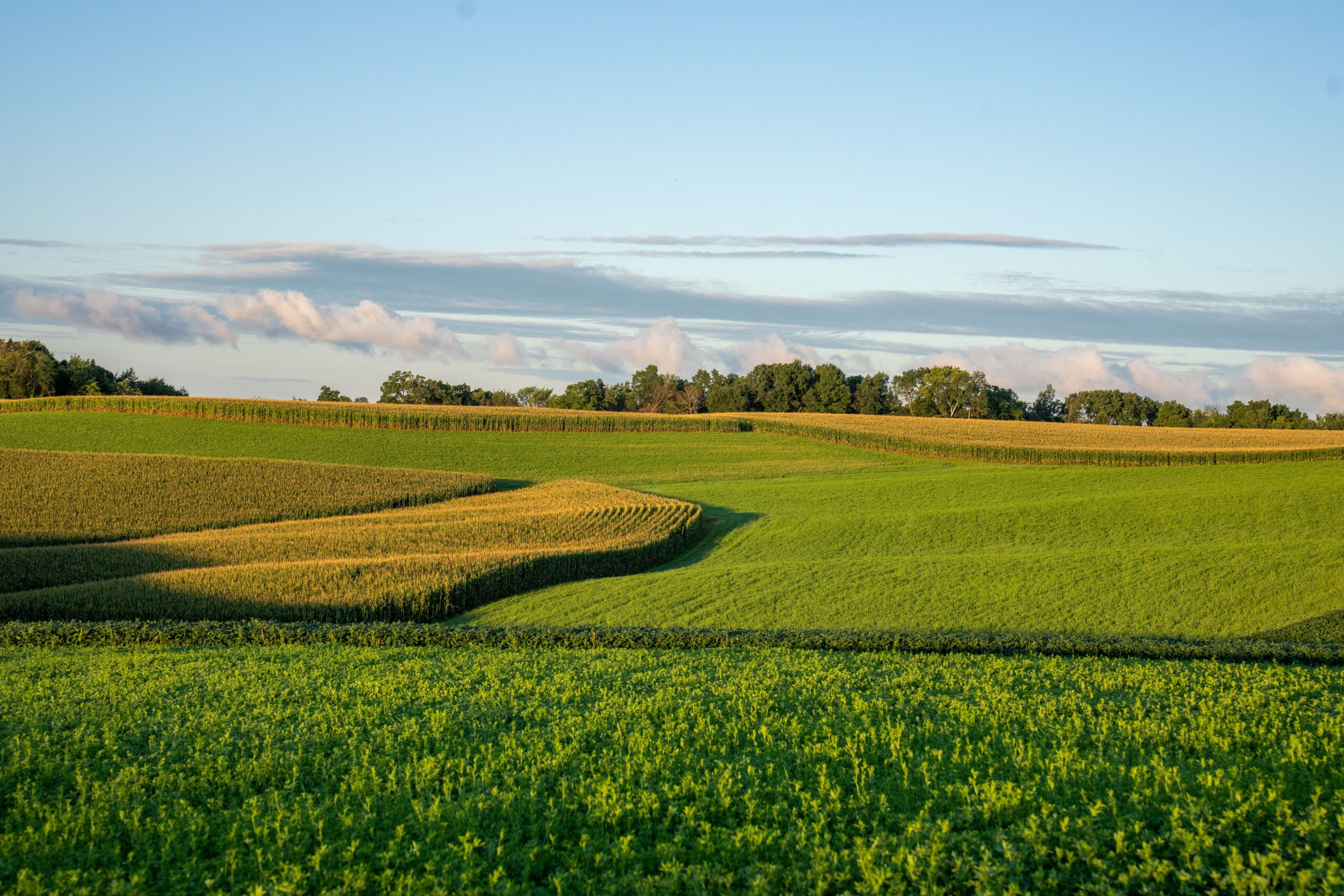
Between any two visits separated by three to four months, something on the estate near Mysore has visibly changed in a way that a return visit reveals. The teak saplings that were ankle height six months ago are knee height today. The mango trees that were establishing their canopy last season are now producing their first flowers. The silver oak that was recently pruned has put on a new flush of growth that has restored the canopy to its pre-pruning density with more vigour than before.
These visible changes are not incidental — they are the compounding of the agricultural investment made visible in physical form. Every quarter, the estate is physically more advanced than it was three months earlier, and this advancement is observable and satisfying in a way that a rising NAV on a fund statement is not.
The Relationship That Deepens
Beyond the agricultural development, each visit deepens the human relationship with the estate — the farm manager who now knows your name, knows what questions you typically ask, knows which section of the orchard you are most interested in, and who has started proactively showing you things he thinks you will want to see rather than waiting for your questions.
This relationship with a specific person who is specifically caring for your specific land develops across visits in the same way that any significant relationship develops — through repeated contact, shared context, and accumulated understanding of each other’s interests and concerns. After four or five visits, the farm manager is not an anonymous service provider but a person you know, whose agricultural judgment you have come to trust, and whose specific knowledge of your estate is a genuine value.
The City Relationship That Develops
In parallel with the deepening estate relationship, regular visits to Mysore near the estate build a city relationship that occasional tourists never develop. You begin to have favourite restaurants rather than choosing from a list. The Devaraja Market vendors recognise you. You know which route through the city avoids the worst traffic at which time of day. You have opinions about Mysore that are grounded in experience rather than derived from a travel blog.
This accumulated city knowledge makes each visit more efficient, more comfortable, and more enjoyable than the previous one — the investment in learning the city compounds across visits in a way that makes Mysore feel genuinely like a second home city rather than a periodic destination.
The Contrast Effect With Every Visit
Perhaps the most underrated benefit of regular managed farmland visits near Mysore is what they reveal about the rest of your life through contrast. Returning to the farm from Bangalore, you notice what is absent — the traffic noise, the screen time, the time pressure — in a way that is harder to notice when you never leave.
Returning to Bangalore from the estate, you carry the contrast for a day or two — a slightly different relationship with the city’s pace, a clarity about what you value, a sense of having been somewhere real and quiet and yours that extends into the ordinary week.
This contrast effect — the psychological benefit that the farm visit provides to the rest of your life through what it is not as much as what it is — is something that every regular visitor to their Mysore estate discovers and that no prospectus or financial projection ever mentions. It is, for many investors, the most persistently valuable return the investment delivers.