
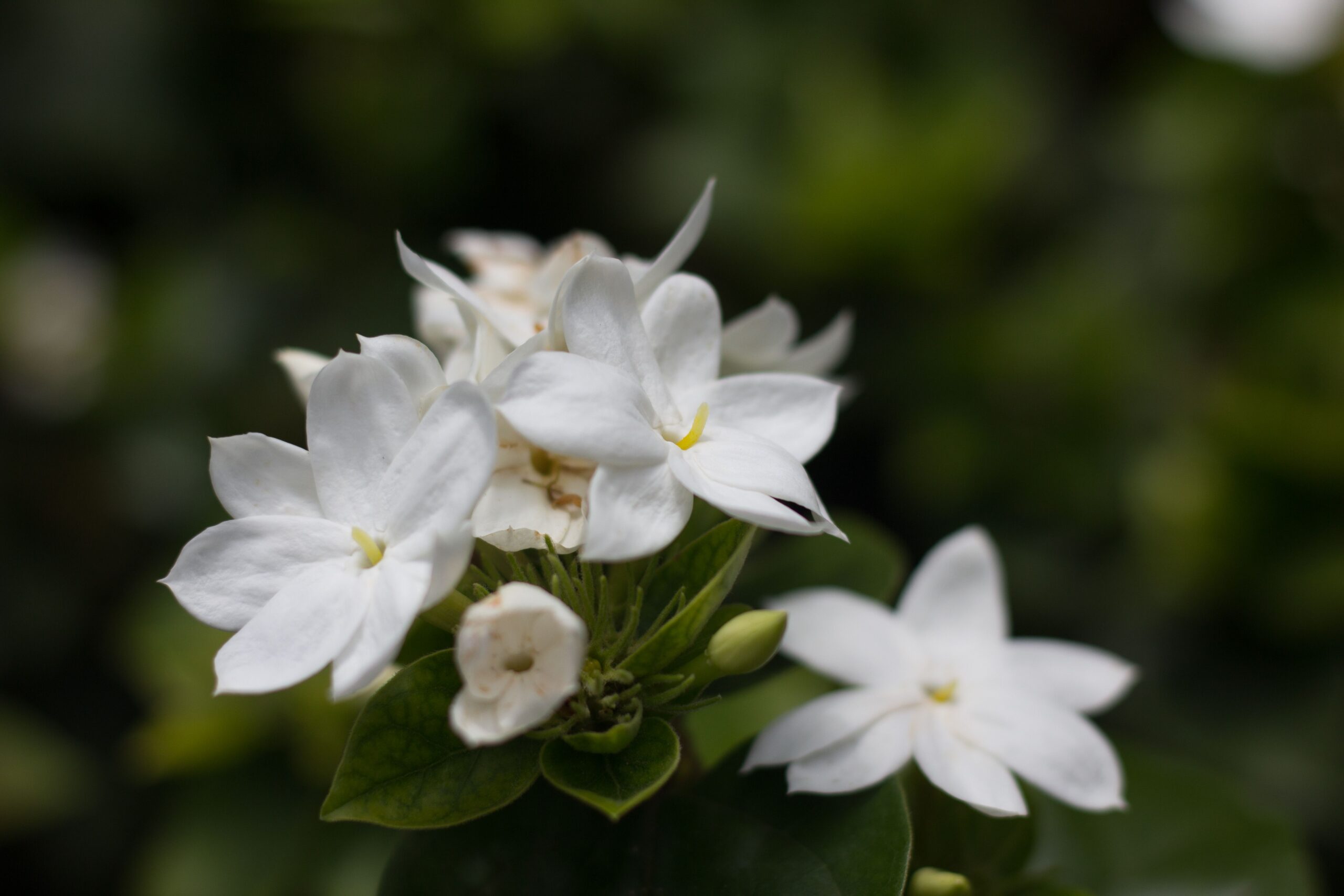
Every city has a sensory signature. Paris has its bread and coffee on morning streets. Mumbai has its monsoon and salt air. Mysore’s signature is jasmine — specifically, the Mysore Mallige (Jasminum sambac), the small, intensely fragrant variety of jasmine that has been grown in the agricultural zones around Mysore for centuries and that is sold in garlands at every street corner of the city from before dawn to well past midnight.
The jasmine that defines Mysore’s sensory character is not decorative — it is agricultural. Grown in the smallholding plots of Mysore’s surrounding taluks, harvested before dawn to preserve fragrance, and transported to the city’s wholesale flower market at Devaraja Market in the early morning hours, Mysore Mallige is an agricultural commodity that connects the city’s cultural identity directly to the farming landscape around it.
What This Tells Investors About Mysore’s Agricultural Character
The jasmine economy around Mysore is one expression of a broader agricultural tradition that is distinctive in its orientation toward high-value, quality-focused, artisanally managed crops rather than bulk commodity production. The same agricultural landscape that produces Mysore Mallige also produces the heritage mango varieties associated with the region, the traditional vegetables and flowers of Mysore’s Dasara food culture, and the silk cocoon production that feeds the city’s weaving industry.
This is not incidental — it reflects soil quality, climate appropriateness, water availability, and most importantly, generations of agricultural knowledge accumulated specifically around growing high-value, quality-conscious crops in this specific landscape. The managed farmland investor who plants mango, teak, and silver oak near Mysore is entering an agricultural ecosystem with deep roots in quality production.
The Micro-Market Opportunity
Mysore’s jasmine economy also illustrates something important about the premium micro-market opportunities available to estate owners near the city. The jasmine growers of Mysore’s surrounding taluks sell directly to Devaraja Market’s flower dealers at prices that represent a significant premium over commodity flower production — because Mysore Mallige’s specific quality, fragrance, and cultural association commands a premium that generic jasmine from other regions cannot replicate.
The same principle applies to premium fruit, specialty timber products, and artisanal agricultural goods from named estates near Mysore: the city’s premium consumer market, its heritage food culture, and its tourism economy create a ready market for quality-positioned estate products at prices that commodity agricultural channels cannot approach.
The Early Morning Experience
For investors who visit their Mysore estate and extend the visit with time in the city, the Devaraja Market at five in the morning during the jasmine delivery hours is one of the most sensory rich experiences available in Karnataka’s agricultural landscape. Hundreds of kilograms of freshly harvested Mysore Mallige arriving on two-wheelers and small vehicles, the flower dealers sorting and pricing under fluorescent light, the fragrance entirely overwhelming the senses in the best possible way.
This is the agricultural economy of the landscape around your estate — alive, specific, and entirely different from anything that urban investment culture usually acknowledges as part of the farmland investment context.