Every investment benefits from a clear picture of what success looks like at its intended horizon. For a managed farmland estate near Mysore, the ten-year point is a meaningful milestone — early enough to be within most investors’ realistic planning horizon, late enough to have seen significant development across every dimension of the investment. This blog paints that picture specifically and honestly.
The Estate at Year Ten: What You See
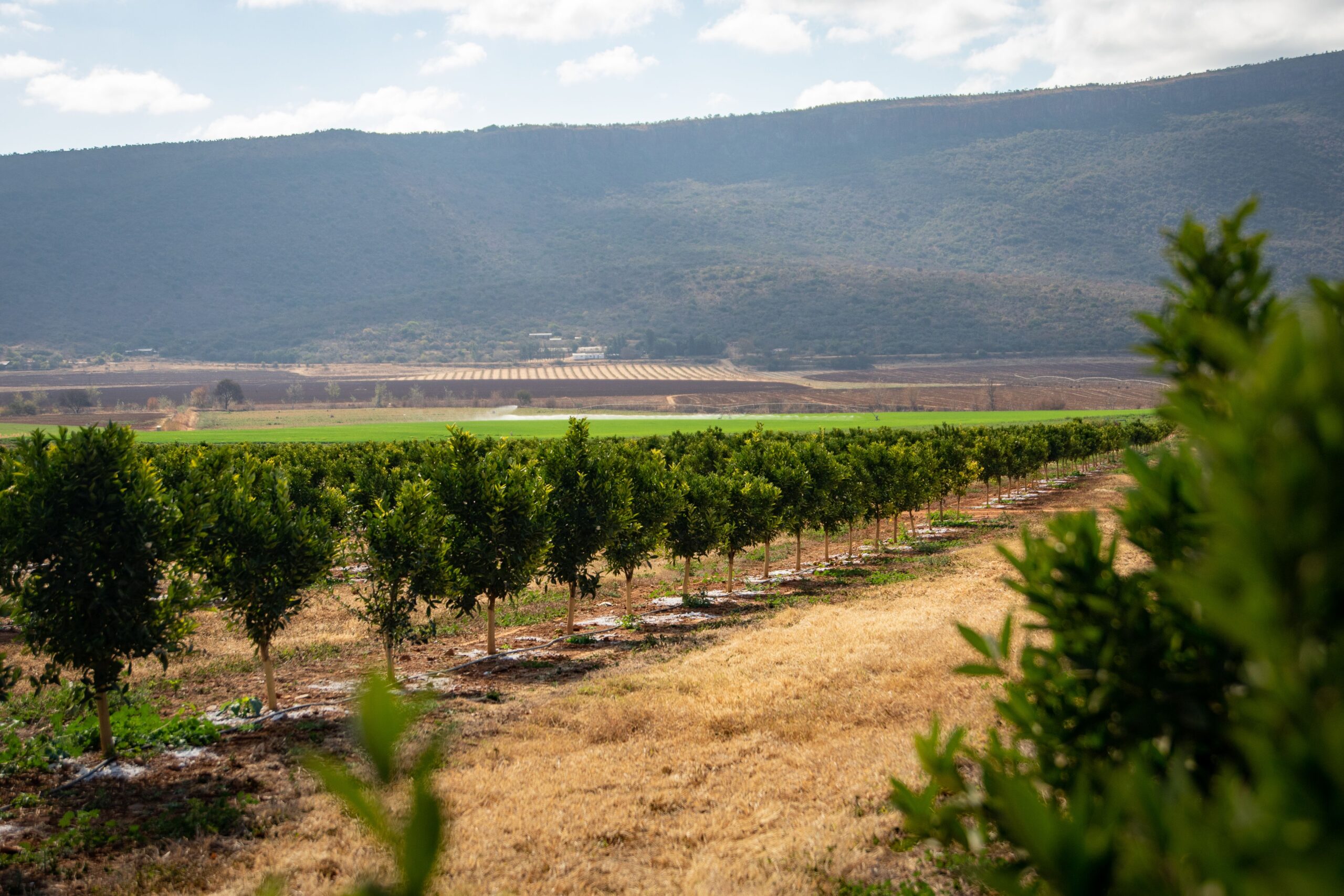
The teak stand that was saplings at year one has become a stand of young trees — still years from harvest maturity, but visibly substantial, their straight boles reaching eight to twelve metres, their canopy beginning to close between adjacent trees in the sections of densest planting. The silver oak has reached full canopy development — tall, feathery, providing the structured shade framework that gives the estate its forest-garden character. Walking through the estate at year ten, you are no longer walking through a young planting — you are walking through a maturing agricultural landscape that has acquired the character and structure of a genuine estate.
The mango orchard is fully productive. The trees that were knee-high at planting are now substantial, spreading canopy trees producing reliably in each season. A family visiting in March encounters the flowering — hundreds of pale yellow blossom clusters across the entire orchard — and understands viscerally why the management team is careful about irrigation management in the critical weeks before and after blossom. In May or June, the same orchard is heavy with developing fruit.
The fruit diversification has contributed its income — sapota and guava producing reliably year-round from the sections of the estate where they were established in the early years. The coconut section, if it was planted, has been producing commercially for five to six years and provides the smoothest, most consistent income component of the estate’s annual revenue.
The Financial Picture at Year Ten
Land value at year ten reflects a decade of consistent appreciation — at even conservative rates of ten to twelve percent annually, the land has grown to approximately two and a half to three times its purchase price. The agricultural income has been building progressively since year four to five, with the full orchard now producing at commercial levels.
The cumulative agricultural income received over ten years — growing from modest in years one to three to meaningful commercial levels from year five onwards — represents a significant sum when accumulated. All of this income has been received free of income tax, and its value in after-tax equivalent terms is correspondingly higher for investors in upper income brackets.
What Has Grown That Is Not Yet Harvested
At year ten, the teak stand’s value is growing but not yet ready for harvest — most teak reaches optimal timber size at fifteen to twenty years. The silver oak is approaching the size range where selective timber harvest becomes commercially meaningful. The sandalwood, where planted, is developing heartwood that will continue accumulating in value for another fifteen to twenty years.
This unliquified but growing timber value is a significant component of the estate’s total accumulated wealth — not yet received as income, but present as a real capital asset that will generate substantial returns when the harvest timeline arrives. The patient investor at year ten understands that they are sitting on a compounding asset, not just a completed one.
What the Visits Feel Like at Year Ten
The investor who has visited their Mysore farmland estate regularly across ten years has by now developed a relationship with the estate that goes beyond investment oversight. They know the farm manager well — perhaps have met their family, understand their agricultural judgments from years of discussion. They have watched the mango trees grow from knee-height to full canopy. They have experienced the estate across many seasons.
The visits at year ten feel different from the visits of year one — less exploratory, more proprietorial. The investor walks their land with the ease of familiarity, notices specific trees that have grown particularly well or that need attention, and engages with the management team as collaborators in a shared project rather than as service providers in an abstract investment.
This is the full picture of ten years of patient managed farmland investment near Mysore — financial, agricultural, and human. The financial case is strong. The agricultural reality is tangible. And the personal relationship with a specific piece of Karnataka’s productive landscape is something that no other investment delivers in the same way.
Disclaimer: The information provided in this article regarding asset appreciation, timber maturity timelines, and tax-free agricultural income is for educational and informational purposes only. Past performance or projections do not guarantee future real estate returns, and tax laws are subject to change by government authorities. This content does not constitute formal financial, legal, or tax advice. Prospective investors are strongly advised to conduct independent due diligence and consult with qualified financial and legal professionals before making any real estate investments.