
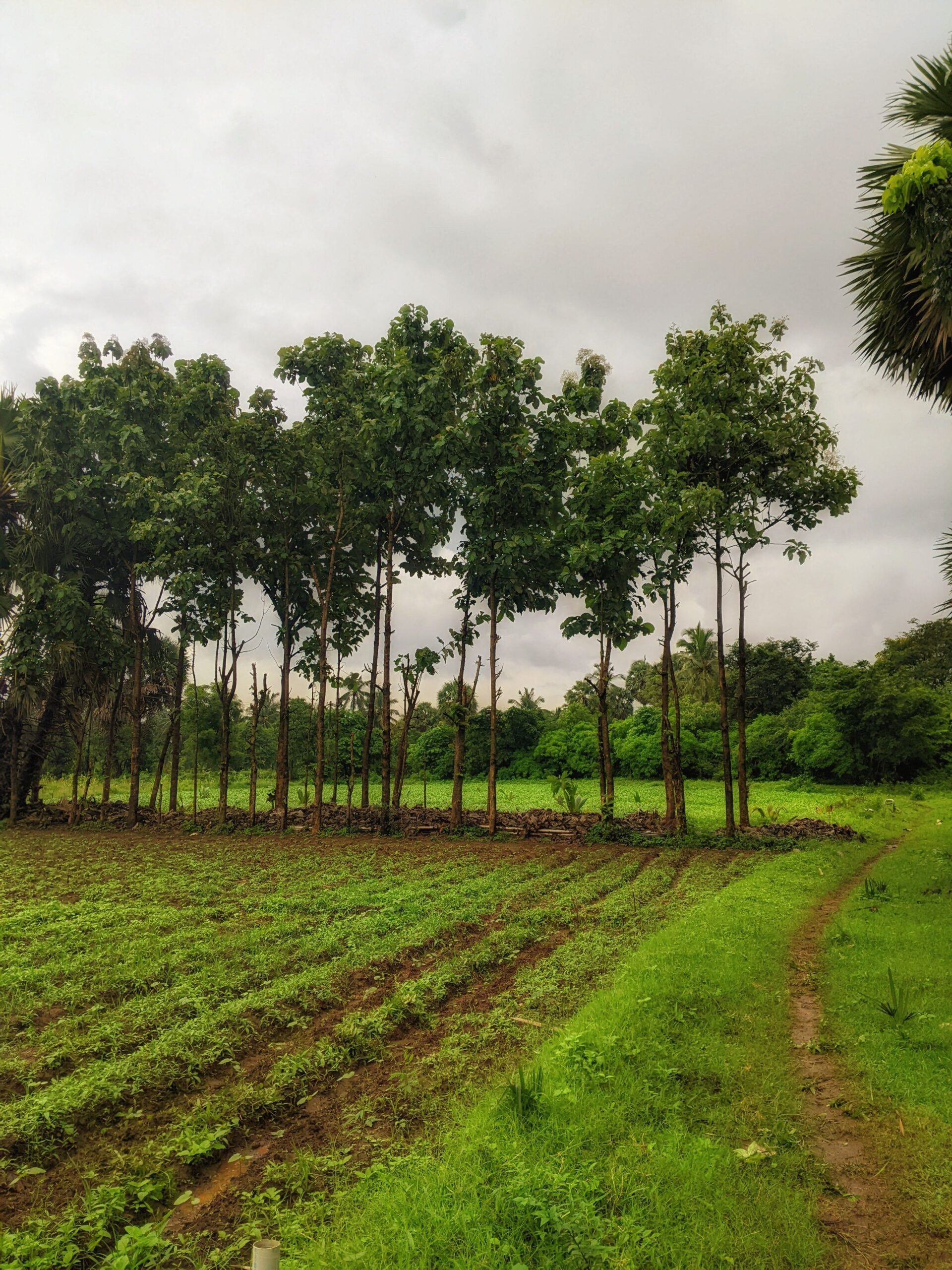
Agricultural land appreciation — like all property appreciation — is driven by the balance between growing demand and constrained supply. For investors evaluating managed farmland near Mysore as a long-term holding, understanding specifically what has driven recent appreciation and whether those drivers are durable is more useful than simply noting that prices have gone up.
The Demand Drivers That Have Already Moved Prices
The most powerful driver of Mysore agricultural land appreciation over the past five years has been the expansion of Bangalore’s affluent urban investor class to include Mysore’s agricultural belt in their investment consideration set. This expansion was enabled by two concurrent changes: the expressway making the journey genuinely practical for regular visits, and the 2020 Karnataka Land Reforms Act amendment opening agricultural land purchase to non-agriculturist urban buyers.
Before these two changes, quality agricultural land near Mysore was primarily bought and sold within the local Mysore community — farmers, local businesspeople, and Mysore city professionals. After these changes, the potential buyer pool expanded to include Bangalore’s much larger and wealthier urban professional class. More buyers chasing the same limited supply of quality agricultural land produces appreciation — this is the fundamental arithmetic that has driven Mysore farmland prices upward.
The Supply Constraint That Makes Appreciation Durable
Agricultural land supply near Mysore is not elastic — it cannot be created to meet growing demand. The total area of quality agricultural land in the Mysore district is fixed. As development consumes some of this land — converting agricultural to residential or commercial use at the district’s expanding urban fringe — the stock of genuinely rural agricultural land with good soil and water characteristics actually decreases over time even as demand grows.
This supply constraint is structural and permanent. The farmers and families who hold the remaining quality agricultural land in productive zones near Mysore are not distressed sellers — they hold the land for their own agricultural income and have no compulsion to sell at prices that do not adequately reflect the land’s value. This means that quality land is rarely available at below-market prices, and the pipeline of new quality supply is limited.
The Drivers That Have Not Yet Fully Priced In
Several appreciation drivers are present in the Mysore market but have not yet fully expressed themselves in current pricing. Mysore’s growing profile as a tech and industrial investment destination — with the Mysore-Mandya industrial corridor attracting new business investment — will gradually bring more urban professionals and their families to the region, expanding the local buyer pool for agricultural land. Mysore’s smart city development investments are improving the urban quality of life that makes the city a more attractive base for extended stays, which in turn makes nearby farmland more valuable as a complementary lifestyle asset.
The growing institutional awareness of Karnataka’s agricultural land as a legitimate alternative asset category — as discussed in our earlier blogs on institutional interest — has not yet meaningfully reached the Mysore market the way it has begun to reach Coorg. When it does, it will provide a new demand layer on top of the individual investor demand that has driven appreciation to date.
What This Means for the Long-Term Investor
For an investor purchasing managed farmland near Mysore with a ten-year-plus holding horizon, the appreciation case rests on structural factors that are durable rather than cyclical. Growing demand from an expanding urban investor pool, constrained supply of quality agricultural land, improving city quality of life creating stronger lifestyle land demand, and the early stages of institutional recognition creating a new buyer tier — these are the drivers that will continue pushing quality Mysore agricultural land values upward across the next decade.