
Modern urban life is profoundly, deliberately seasonless. Bangalore’s shopping malls maintain the same temperature in December and May. The food in Swiggy and Zepto is available year-round regardless of what is actually in season. Air conditioning removes the physical experience of summer; heating is unnecessary in Bangalore’s climate. The result is that many urban professionals live through seasons without genuinely experiencing them — they know intellectually that it is monsoon season or winter, but their daily lived experience is unchanged.
Owning managed farmland near Mysore reverses this. The estate has seasons, and those seasons are real and consequential — they change what the farm looks like, what is happening agriculturally, what the light and air are like, and what the visit experience delivers. After a year of visiting the farm quarterly, investors describe a changed relationship with time itself — a reacquired awareness of where they are in the annual cycle that urban life had erased.
The Four Faces of a Mysore Farm Estate Across the Year
The pre-monsoon dry season (March to May) shows the Mysore agricultural landscape at its most open and exposed — the sky large, the deciduous trees leafless or sparsely leaved, the soil dry and cracked between irrigated sections. This is the season of heat and preparation: the farm management team is maintaining irrigation, preparing soil, managing the orchard trees through their dry-season rest period. The mango trees flower in this season — the entire orchard suddenly covered in pale yellow blossom clusters that carry a faint sweet fragrance in the morning air.
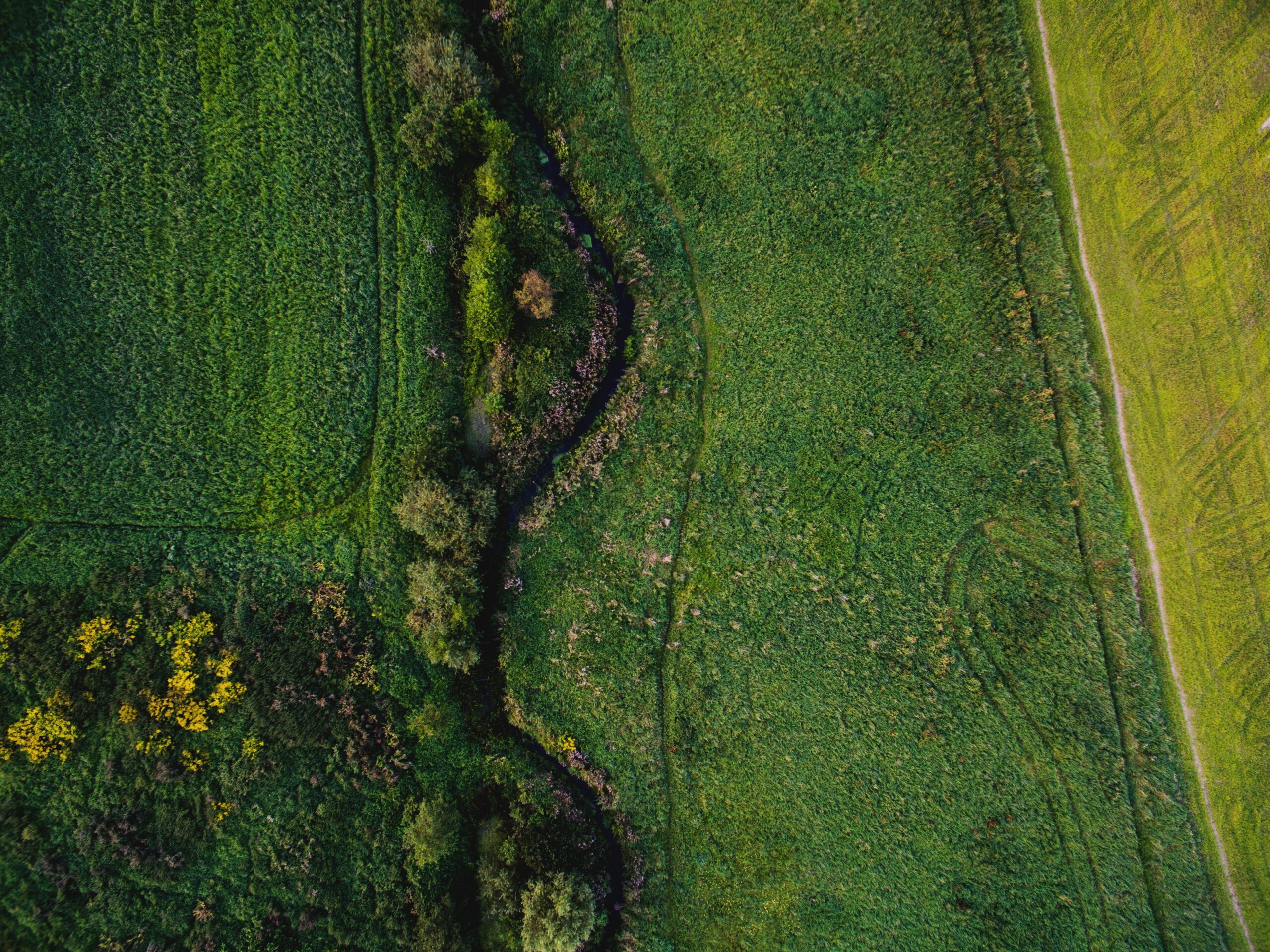
The monsoon (June to September) transforms the landscape completely. The bare soil disappears under a flush of new grass and ground cover. The teak and silver oak canopy fills with dense new foliage. The farm turns intensely green — the kind of green that only monsoon Karnataka produces, saturated and vivid. The management team is managing drainage, monitoring disease, and watching the young mango fruits developing on the flowering-to-fruiting cycle. Visits in the monsoon are wet, lush, and dramatic in a way that dry-season visits are not.
The post-monsoon period (October to December) is the Mysore agricultural zone’s most beautiful season. The green of the monsoon is still present but the humidity has dropped, the skies have cleared, and the light has acquired the golden quality of Karnataka’s post-rain winter. The mango fruits are swelling toward harvest. Migratory birds are arriving. The estate feels at its most complete — all the monsoon growth present, the rains departed, the air clean and cool.
The cool winter harvest season (December to February) is when the mango orchard produces its first fruits on early-maturing trees, when the teak stands with leafless dignity revealing their structure, and when the overall estate feels disciplined and purposeful rather than lushly abundant. This is the season for estate management review — walking the full plot with the farm manager, assessing what worked in the growing season just completed, planning what changes or additions to make in the coming year.
Why This Seasonal Reconnection Matters
For urban professionals who have spent years in a seasonless built environment, the restoration of seasonal awareness through farm ownership is not merely pleasant — it has psychological significance. Research on human wellbeing consistently connects seasonal awareness, natural rhythm, and connection to biological cycles to improved mental health and reduced chronic stress. The farm estate near Mysore provides this connection through direct experience rather than through any deliberate wellness program.
You visit in October and the landscape is lush and the air is clear. You visit in March and the mango trees are flowering. You visit in June and the rain falls on the silver oak canopy. Each visit is in a specific, irreplaceable moment of the farm’s annual cycle — not replicable in any other week of the year. This specificity of seasonal experience is what makes farm visits meaningfully different from resort visits, where the environment is controlled to be pleasant regardless of season.