
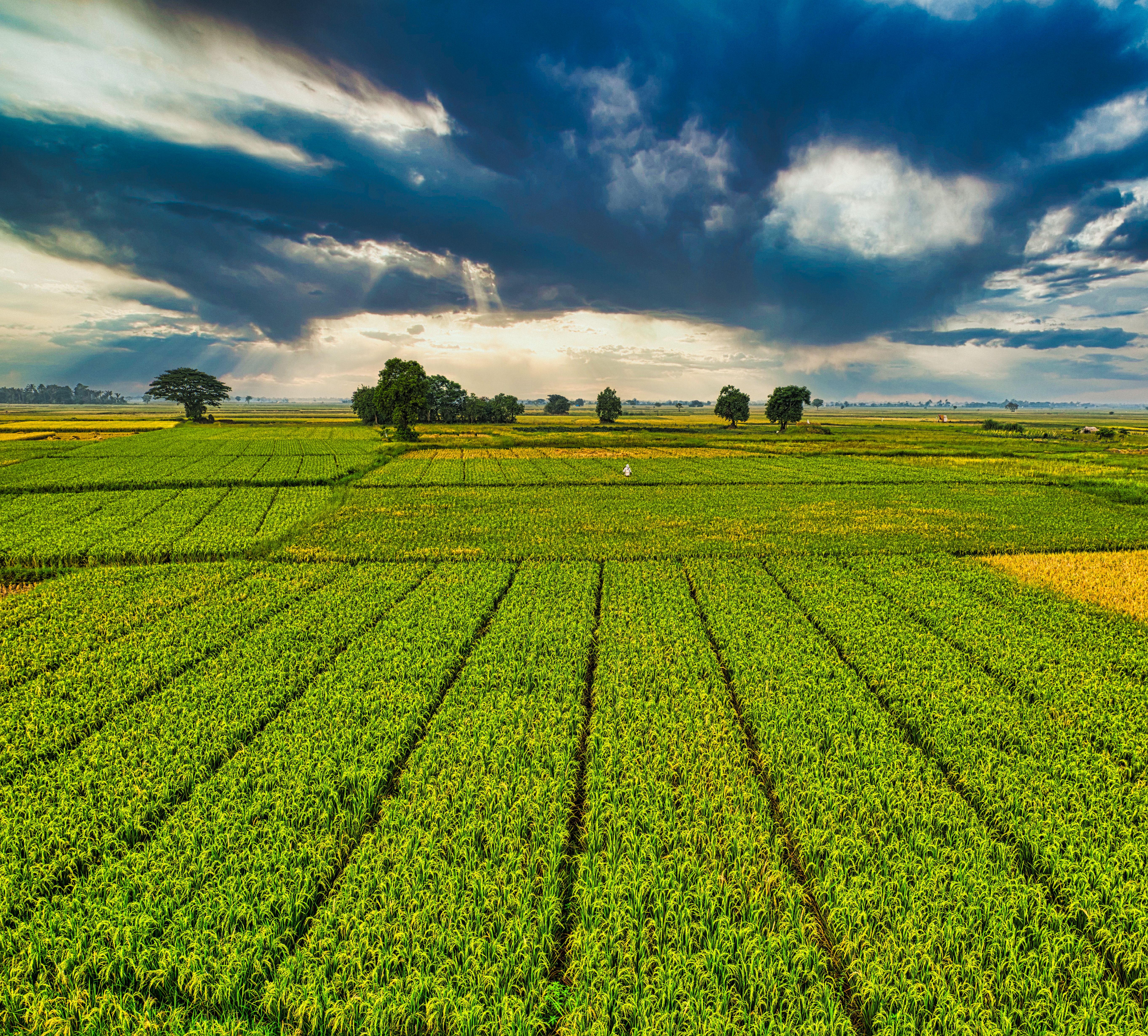
Climate is the invisible infrastructure of agriculture. The best soil, the most experienced management team, and the most sophisticated irrigation system cannot compensate for growing crops in a climate that does not suit them. Conversely, when climate and crop species align well, agriculture becomes almost effortlessly productive — the plants do what they are designed to do in conditions they evolved for.
Mysore’s agricultural climate aligns extremely well with the fruit and timber agroforestry system that Nature N Me has designed for its Lakeview project. Understanding why clarifies what investors can expect from the agricultural income dimension of their estate.
The Temperature Profile That Makes Mysore Special
Mysore sits at approximately seven hundred and seventy metres above sea level — not as high as Coorg’s prime Arabica zones, but meaningfully elevated above the coastal and plain agricultural zones of southern Karnataka. This moderate elevation creates a temperature profile that is warm but not tropical — daytime maxima reaching thirty-two to thirty-six degrees Celsius in summer, dropping to eighteen to twenty-two degrees Celsius on cool winter nights.
This day-night temperature differential — technically referred to as diurnal temperature variation — is one of the most important climate factors for fruit quality. Many fruit species, including premium mango varieties, develop their best flavour, sweetness, and aromatic compounds in conditions where cool nights allow sugar accumulation and metabolite development that warm nights prevent. Mysore’s significant diurnal variation produces fruit that is genuinely superior in eating quality to fruit from uniform-temperature coastal zones — a quality advantage that translates directly into premium pricing.
The Dry Season Advantage for Post-Monsoon Fruiting
Mysore’s distinct dry winter season — from November to February — creates the period of water stress and temperature moderation that many fruit species require to initiate flowering. Mango requires a period of cool, dry weather to trigger flower bud induction. Sapota’s flowering and fruit development quality improves when the dry season provides a rest period that resets the plant’s productive cycle.
Managed drip irrigation on the Mysore Lakeview estate provides precise water delivery during the critical fruit development period — giving each crop exactly the moisture it needs at each growth stage without creating the waterlogging stress that excess rainfall can cause in some zones. The combination of Mysore’s naturally appropriate dry season with managed supplementary irrigation produces the ideal moisture management cycle for premium fruit production.
Why Organic Matters More in Mysore’s Market Context
Mysore is a significant tourist destination — attracting domestic and international visitors who are willing to pay premium prices for quality food products. The premium food culture of a heritage city, combined with the growing organic consciousness of the urban professional class in both Mysore and Bangalore (which sources food from this agricultural belt), creates a market environment where organic certification or organic-aligned production adds meaningful price premium.
Organic mango from a documented estate near Mysore, sold through premium channels — Bangalore’s natural food stores, direct-to-consumer delivery platforms, hotel and restaurant supply — commands prices significantly above commodity mango from unidentified sources. Nature N Me’s organic-aligned farming practices position the Mysore Lakeview estate to access these premium channels as the orchards reach commercial production.
The Income Trajectory
The first meaningful fruit income from the Mysore Lakeview estate arrives from year three to four as early-bearing species (guava, banana bridge crop) establish commercial production. Mango and sapota build to significant commercial volumes from year six to eight. At full orchard maturity — year ten and beyond — the combined fruit income from a well-managed Mysore Lakeview plot adds meaningfully to the timber value accumulating in the teak and silver oak canopy.
This is a patient investment in agricultural income — not the early-producing spice crop income of a Coorg estate, but a building, maturing, long-term agricultural income layered on the foundation of Mysore’s exceptionally suited climate.