
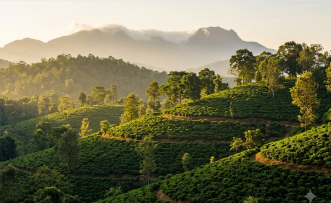
Coorg has long been the address every serious land investor eventually asks about. The mist, the Arabica bushes, the pepper vines climbing silver oak trees — it is easy to see why so many Bangalore and Mysore buyers dream of owning even a small coffee estate here. But turning that dream into a smooth, legally sound purchase takes more than falling in love with the view. This guide walks you through what a 1 acre coffee estate in Coorg actually costs, the legal groundwork you cannot skip, and why managed farmland has become the preferred route for first-time buyers.
What Does 1 Acre of Coffee Estate Cost in Coorg
Pricing on coffee land in Kodagu varies widely based on location, elevation, crop maturity, water source, and road access. Estates closer to Madikeri, Suntikoppa, or the Mysore-Madikeri highway corridor command a premium, while more remote pockets near Virajpet or Somwarpet can be more affordable. Broadly, buyers can expect per-acre asking prices to range anywhere from the mid-teens of lakhs to well over thirty lakhs, with mature Arabica blocks and estates carrying valuable silver oak or rosewood timber sitting at the higher end. Smaller parcels, such as 1 to 3 acre plots, are often priced higher per acre than large estates of 50 acres or more, simply because bulk land tends to sell at a discount per unit.
It is worth noting that these figures move with the market and with each seller’s individual estate condition, so any number you hear should be treated as a starting point for negotiation, not a fixed rate.
Why Coffee Land Pricing Is Not as Simple as It Looks
A coffee estate is rarely just land. The value includes standing crop, tree cover, existing infrastructure like pulping units and drying yards, and water sources such as streams, ponds, or borewells. Two 1 acre plots sitting next to each other can be priced very differently if one has a working stream and mature Arabica plants while the other is freshly planted or lacks year-round water. This is why on-ground due diligence matters more in Coorg than almost anywhere else in Karnataka’s land market.
The Legal Checklist Before You Buy
Karnataka’s land laws add a layer of complexity that catches many outside buyers off guard.
First, confirm the land classification. Agricultural land in Karnataka has historically carried restrictions under the Karnataka Land Reforms Act on who can purchase it, so it is essential to check whether the specific parcel and the buyer’s eligibility align with current rules, or whether the land has already been converted for other permitted use.
Second, verify the title chain. Ask for the RTC (Record of Rights, Tenancy and Crops), the mutation register extract, and a certified Encumbrance Certificate covering at least the last 15 to 30 years. This confirms there are no pending loans, disputes, or unresolved inheritance claims on the land.
Third, check survey boundaries physically. Coorg’s estates often have informal boundary understandings passed down through generations. A licensed surveyor should confirm the actual demarcation matches the recorded extent before any money changes hands.
Fourth, understand the tax and registration costs involved, including stamp duty and any agricultural income considerations, and consult a local property lawyer familiar with Kodagu district specifically, since practices here can differ slightly from the rest of Karnataka.
Why Small Acreage Ownership Is Harder Than It Sounds
Owning 1 acre sounds manageable on paper. In practice, a small, standalone plot in Coorg often struggles with basic upkeep. Coffee needs regular pruning, shade management, pest control, and harvest labour, none of which is practical to coordinate remotely from Bangalore or Mysore. Absentee owners frequently find their small estates neglected within a couple of seasons, with yields dropping and weeds taking over. Security, water rights, and access roads shared with neighbouring estates add further friction that a first-time buyer rarely anticipates.
How Managed Farmland Solves This
This is exactly the gap managed farmland projects are built to close. Instead of buying an isolated acre and hoping to manage it from a distance, buyers invest in a professionally maintained farmland community where agronomists handle cultivation, harvesting, and upkeep on their behalf. Legal due diligence, land conversion status, and title verification are typically completed upfront by the developer, removing much of the risk an individual buyer would otherwise have to navigate alone.
At Nature N Me, our Coorg projects are structured precisely around this model. Buyers get ownership of their plot along with agroforestry cultivation, on-ground estate management, and a legally verified title, so the experience of owning coffee land comes without the burden of running it yourself. It suits IT professionals, NRIs, doctors, and busy entrepreneurs who want the asset and the lifestyle value of a coffee estate, minus the operational headache.
| Option | Typical Cost (per acre) | Management Effort | Income Type | Best For |
|---|---|---|---|---|
| Direct 1-acre estate | ₹15–30+ lakhs | High (you manage) | Crop + appreciation | Hands-on buyers |
| Managed farmland plot | Similar range, often structured as smaller tickets | Low (professionally managed) | Crop + appreciation + lifestyle | Busy professionals, NRIs |
Final Thoughts
A 1 acre coffee estate in Coorg can be a genuinely rewarding investment, both financially and emotionally, but only when the legal groundwork is solid and the ongoing management is realistic. If you are evaluating options, spend as much time on the RTC and encumbrance certificate as you do admiring the view, and seriously weigh whether a managed farmland model fits your lifestyle better than solo ownership.
Disclaimer: The information provided in this article is for general informational and educational purposes only and does not constitute formal legal, financial, or real estate advice. Property prices, land conversion policies, and regulatory guidelines in Karnataka are subject to change. Readers are strongly advised to verify all property titles, RTC documents, encumbrances, and local land laws with a qualified legal professional and relevant government authorities before making any financial commitments or land purchases. Nature N Me is not responsible for any decisions made based on the content of this post.
Frequently Asked Questions:
How much does 1 acre coffee estate in Coorg cost in 2026?
Prices typically range from ₹15 lakhs to ₹30+ lakhs per acre depending on location, elevation, crop maturity, standing timber (like silver oak or rosewood), and water sources.
What documents are needed to buy coffee estate in Coorg?
Essential documents include the RTC (Record of Rights, Tenancy and Crops), Mutation Register Extract, Encumbrance Certificate (minimum 15–30 years), land tax receipts, and a certified survey map with physical boundary verification.
Can a non-agriculturist buy coffee estate land in Coorg?
Yes. Following amendments to the Karnataka Land Reforms Act, non-agriculturists can purchase agricultural/estate land, though title compliance and land classification verification remain necessary.
Is managed farmland better than buying land directly in Coorg?
For remote or absentee owners, yes. Managed farmland provides hassle-free maintenance, security, legal due diligence, and agronomic management, avoiding the operational headaches of managing a standalone estate from afar.