
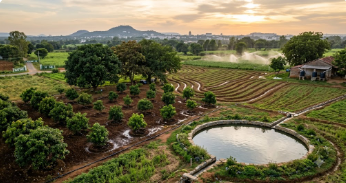
Water is one of the most valuable resources in agriculture. Every crop, tree, and plant depends on it for healthy growth, making efficient water management essential for successful farming. While Mysore is blessed with seasonal rainfall and fertile land, changing weather patterns and increasing demand for water have made conservation more important than ever.
For farmers and farmland owners, using water wisely is no longer just an environmentally friendly choice—it is a necessity. Sustainable water management helps improve crop yields, reduces farming costs, protects natural resources, and ensures that future generations can continue to benefit from productive agricultural land.
In this blog, we explore some of the most effective water conservation techniques that every farmer in Mysore should know.
Why Water Conservation Matters
Agriculture consumes a significant share of freshwater resources. Poor irrigation practices and excessive water use can lead to groundwater depletion, soil erosion, and declining farm productivity.
By conserving water, farmers can:
- Improve crop health
- Reduce irrigation costs
- Maintain soil moisture
- Protect groundwater reserves
- Increase drought resilience
- Support sustainable agriculture
Water conservation is not about using less water—it is about using water more efficiently.
Drip Irrigation: Delivering Water Where It’s Needed
One of the most effective methods of water conservation is drip irrigation.
Unlike traditional flood irrigation, drip irrigation supplies water directly to the roots of plants through a network of pipes and emitters. This targeted approach ensures that water reaches the plant without unnecessary wastage.
Benefits of Drip Irrigation
- Reduces water loss through evaporation
- Prevents water runoff
- Delivers moisture directly to plant roots
- Minimizes weed growth
- Improves fertilizer efficiency
- Supports healthier crop growth
Fruit orchards, vegetable farms, and agroforestry plantations in Mysore greatly benefit from this irrigation method.
Rainwater Harvesting: Making the Most of the Monsoon
Mysore receives valuable rainfall during the monsoon season. Instead of allowing rainwater to flow away, farmers can collect and store it for future use.
Rainwater harvesting involves directing rainwater into storage tanks, farm ponds, or recharge pits. This stored water can later be used for irrigation during dry months.
Advantages of Rainwater Harvesting
- Reduces dependence on groundwater
- Increases water availability during summer
- Recharges underground aquifers
- Prevents soil erosion
- Makes farms more resilient during dry spells
Every drop of rain that is stored becomes an investment in the farm’s future.
Farm Ponds: Natural Water Storage Systems
Farm ponds are small reservoirs constructed within agricultural land to collect rainwater and surface runoff.
These ponds act as reliable water sources during periods of low rainfall and help farmers maintain irrigation even during dry seasons.
Farm ponds also support:
- Fish farming
- Livestock watering
- Groundwater recharge
- Wildlife habitats
- Improved biodiversity
When designed properly, they become an important part of a sustainable farming system.
Mulching: Protecting Soil Moisture
Mulching involves covering the soil with organic materials such as dry leaves, straw, grass clippings, coconut husks, or compost.
This simple technique offers multiple benefits by reducing evaporation and keeping the soil cool.
Benefits of Mulching
- Conserves soil moisture
- Suppresses weed growth
- Regulates soil temperature
- Improves soil fertility
- Reduces erosion
- Encourages earthworm activity
Mulching is especially useful for fruit orchards, vegetable gardens, and tree plantations in Mysore.
Healthy Soil Stores More Water
Water conservation begins below the surface.
Soils rich in organic matter can hold significantly more moisture than degraded soils. Organic compost, farmyard manure, and cover crops improve soil structure and increase its water-holding capacity.
Healthy soil also allows rainwater to infiltrate deeper rather than running off the surface.
Practices that improve soil health include:
- Compost application
- Crop rotation
- Green manure
- Organic farming
- Reduced tillage
The healthier the soil, the less frequently crops require irrigation.
Growing Native and Drought-Tolerant Plants
Choosing crops suited to Mysore’s climate can naturally reduce water requirements.
Native and drought-resistant species are adapted to local weather conditions and often require less irrigation once established.
Examples include:
- Drumstick (Moringa)
- Tamarind
- Neem
- Bamboo
- Mango
- Jackfruit
- Millets
Selecting suitable crops helps conserve water while maintaining farm productivity.
Agroforestry Improves Water Efficiency
Agroforestry combines trees and crops on the same land, creating a more balanced ecosystem.
Trees provide shade, reduce soil temperatures, and minimize water evaporation. Their deep roots improve water infiltration while increasing groundwater recharge.
Agroforestry also protects farmland from strong winds that accelerate moisture loss.
This integrated farming approach supports both water conservation and biodiversity.
Avoid Over-Irrigation
Many farmers assume that providing more water leads to better crop growth. In reality, excessive irrigation can damage crops by causing:
- Root diseases
- Nutrient leaching
- Waterlogging
- Soil compaction
- Reduced oxygen around roots
Monitoring soil moisture before irrigation ensures that crops receive only the amount of water they truly need.
Smart irrigation is far more effective than excessive irrigation.
Protecting Natural Water Sources
Streams, lakes, ponds, and wetlands play an essential role in maintaining agricultural ecosystems.
Farmers can help protect these resources by:
- Preventing chemical runoff
- Planting vegetation along water bodies
- Avoiding waste disposal near water sources
- Conserving surrounding forests
- Reducing soil erosion
Healthy water bodies support wildlife, recharge groundwater, and provide reliable water supplies for agriculture.
The Role of Technology in Water Conservation
Modern farming technologies are making water management easier than ever.
Many farmers now use:
- Soil moisture sensors
- Automated drip irrigation systems
- Weather forecasting tools
- Smart irrigation timers
- Water flow monitoring systems
These technologies improve irrigation efficiency while reducing unnecessary water usage.
As sustainable farming continues to evolve, technology will play an increasingly important role in conserving valuable natural resources.
Building a Sustainable Future
Water conservation is not simply about surviving dry seasons—it is about ensuring the long-term health of farmland.
Every technique, whether installing drip irrigation or applying mulch, contributes to healthier crops, stronger soil, and a more resilient farming system.
Sustainable water management also protects biodiversity by maintaining habitats for birds, butterflies, bees, frogs, and other beneficial wildlife that depend on healthy ecosystems.
Conclusion
Water is the foundation of successful agriculture, and conserving it is one of the most important responsibilities of every farmer. By adopting practices such as drip irrigation, rainwater harvesting, mulching, agroforestry, farm ponds, and healthy soil management, farmers in Mysore can improve productivity while preserving precious natural resources.
At Nature N Me, we believe that responsible farming begins with responsible water management. By using every drop wisely, we can create productive farms, healthier ecosystems, and a sustainable future where agriculture continues to thrive alongside nature.