When we think about a successful farm, our attention often goes to fertile soil, healthy crops, and abundant harvests. However, behind every thriving orchard and vegetable field is a group of tiny workers that make agriculture possible—pollinators.
Pollinators are animals and insects that transfer pollen from one flower to another, enabling plants to produce fruits, seeds, and vegetables. Without them, many of the crops we depend on every day would produce lower yields or fail to grow altogether.
Farmland around Mysore is naturally rich in biodiversity, making it an ideal habitat for pollinators. From buzzing bees and colourful butterflies to birds and even bats, these remarkable creatures play a vital role in maintaining healthy ecosystems and supporting sustainable agriculture.
What is Pollination?
Pollination is the natural process through which pollen is transferred from the male part of a flower (the anther) to the female part (the stigma). This process allows plants to produce fruits, seeds, and new plants.
While some crops are pollinated by wind, many fruit trees, vegetables, and flowering plants rely on animals and insects for successful pollination.
Without pollinators, farms would experience reduced crop production, affecting both farmers and consumers.
Why Pollinators Are Essential for Farming
Pollinators contribute directly to agricultural productivity.
As they move from flower to flower in search of nectar or pollen, they unknowingly fertilize plants, increasing fruit and seed production.
Healthy pollinator populations help farmers by:
- Improving fruit set
- Increasing crop yields
- Enhancing fruit size and quality
- Supporting seed production
- Maintaining plant diversity
Simply put, healthier pollinator populations often lead to healthier harvests.
Bees: Nature’s Most Efficient Pollinators
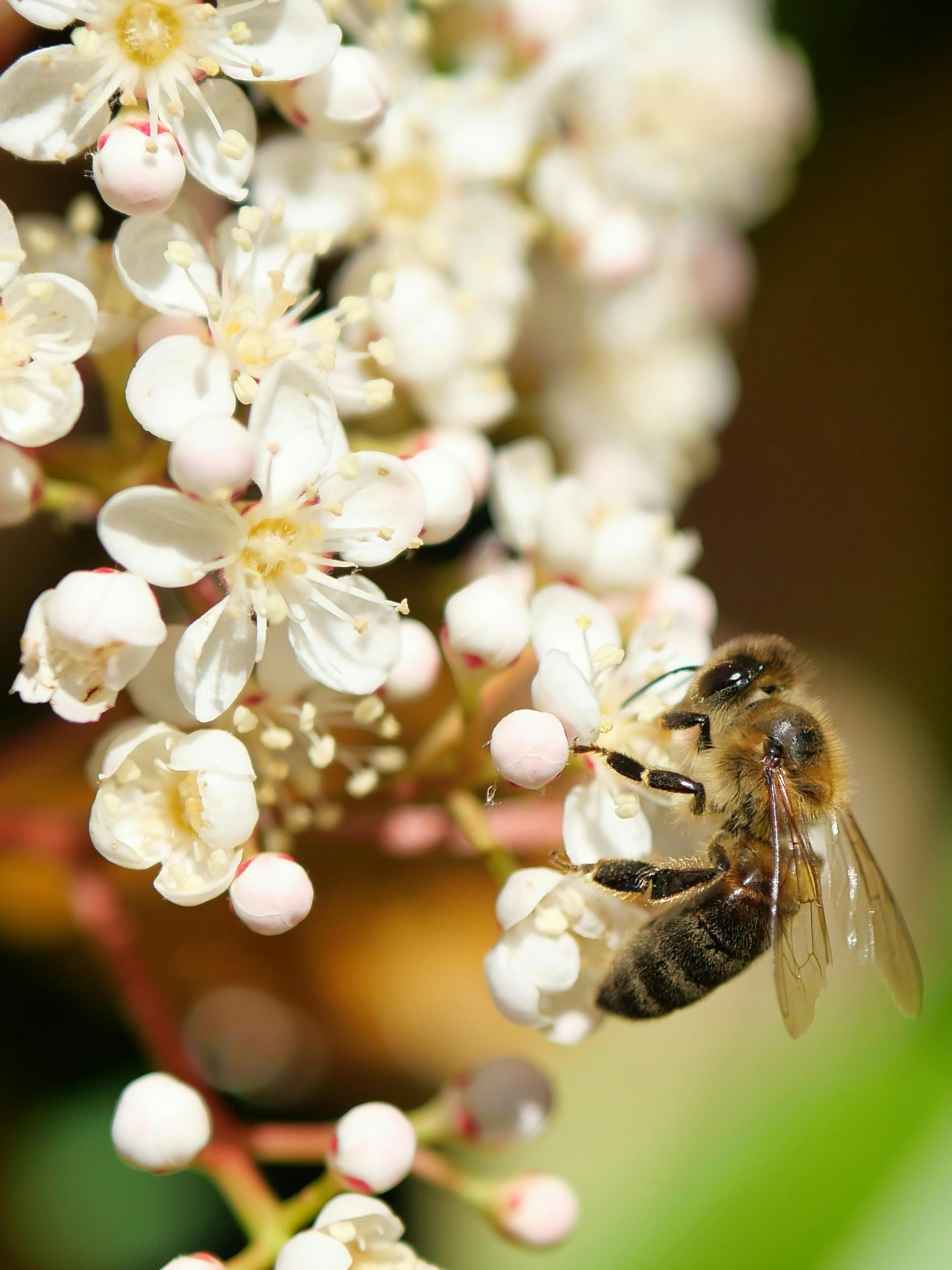
Bees are among the most important pollinators in agriculture. Honeybees, native bees, and stingless bees visit thousands of flowers each day, making them highly efficient at transferring pollen.
In Mysore, bees play a key role in pollinating crops such as:
- Mango
- Jackfruit
- Coconut
- Avocado
- Drumstick (Moringa)
- Cucumbers
- Pumpkins
- Sunflower
- Many vegetables and flowering plants
By improving pollination, bees help increase both the quantity and quality of agricultural produce.
Protecting bee populations is one of the most effective ways to improve farm productivity naturally.
Butterflies: Beauty with a Purpose
Butterflies are admired for their colourful wings, but they are also valuable pollinators.
As butterflies feed on nectar, they carry pollen between flowers, helping many native plants and crops reproduce.
Unlike bees, butterflies often travel longer distances, contributing to the pollination of plants across wider areas.
A farm filled with butterflies usually indicates:
- Healthy flowering plants
- Reduced pesticide use
- Good biodiversity
- A balanced ecosystem
Their presence is a positive sign of environmentally responsible farming.
Birds That Help Farms Thrive
Certain bird species also contribute to pollination while feeding on nectar from flowering trees and shrubs.
More importantly, many birds help farmers by controlling insects that damage crops.
Birds reduce populations of:
- Caterpillars
- Beetles
- Grasshoppers
- Aphids
- Other crop pests
This natural pest control allows farmers to reduce dependence on chemical pesticides while maintaining healthy crops.
Bats: The Night-Time Pollinators
Although often overlooked, fruit bats are important pollinators for many flowering trees.
They visit flowers at night, feeding on nectar and transferring pollen between blossoms.
Bats also disperse seeds, helping regenerate forests and maintain biodiversity around farmland.
Protecting natural habitats benefits both bats and agriculture.
How Pollinators Improve Biodiversity
Pollinators do more than support crop production—they help maintain healthy ecosystems.
By enabling plants to reproduce, they contribute to:
- Diverse plant life
- Food sources for wildlife
- Healthy forests
- Stable ecosystems
- Rich agricultural landscapes
A farm with abundant pollinators is usually rich in birds, butterflies, insects, and beneficial microorganisms.
Biodiversity makes farms more resilient to pests, diseases, and changing weather conditions.
Threats Facing Pollinators
Despite their importance, pollinator populations are declining in many parts of the world.
Some major challenges include:
- Excessive pesticide use
- Habitat destruction
- Climate change
- Air pollution
- Loss of flowering plants
- Deforestation
When pollinator numbers decline, agricultural productivity can also suffer.
Protecting these species is essential for the future of farming.
How Farmers Can Protect Pollinators
Creating a pollinator-friendly farm is easier than many people think.
Simple practices include:
Plant Flowering Species
Growing flowering plants throughout the year provides nectar and pollen for bees and butterflies.
Reduce Chemical Pesticides
Using pesticides only when necessary and choosing eco-friendly alternatives helps protect beneficial insects.
Plant Native Trees
Trees such as neem, mango, jackfruit, tamarind, and honge provide food and shelter for pollinators and birds.
Create Natural Habitats
Maintaining hedgerows, grass patches, and small ponds encourages biodiversity and provides safe spaces for wildlife.
Practice Organic Farming
Organic farming methods reduce harmful chemical exposure and create healthier environments for pollinators.
Pollinators and Sustainable Farming
Sustainable farming works with nature rather than against it.
Instead of depending entirely on artificial inputs, sustainable farms encourage natural processes that improve productivity.
Pollinators play a central role in this approach by:
- Increasing crop yields naturally
- Supporting biodiversity
- Reducing the need for artificial pollination
- Strengthening ecosystem resilience
- Improving long-term farm health
Healthy pollinator populations are one of the strongest indicators of a well-managed farm.
Why Pollinators Matter to Farmland Owners
For farmland owners, protecting pollinators is an investment in the future.
A farm rich in bees, butterflies, and birds is more likely to produce healthy crops, attract wildlife, and maintain ecological balance.
Beyond agriculture, these creatures create beautiful natural surroundings that make farmland enjoyable for families, visitors, and nature lovers.
Watching butterflies flutter through orchards or listening to the gentle buzz of bees among flowering trees reminds us that farming and nature are deeply connected.
Conclusion
Pollinators may be small, but their contribution to agriculture is enormous. Bees, butterflies, birds, bats, and other pollinating species help crops reproduce, increase harvests, and support healthy ecosystems. Without them, sustainable farming would be far more difficult.
By protecting natural habitats, planting native trees, reducing unnecessary pesticide use, and embracing environmentally friendly farming practices, we can ensure that pollinators continue to thrive on farms around Mysore.
At Nature N Me, we believe that successful farming is built on a healthy partnership with nature. By valuing and protecting pollinators, we create productive farms, preserve biodiversity, and contribute to a greener, more sustainable future for generations to come.