
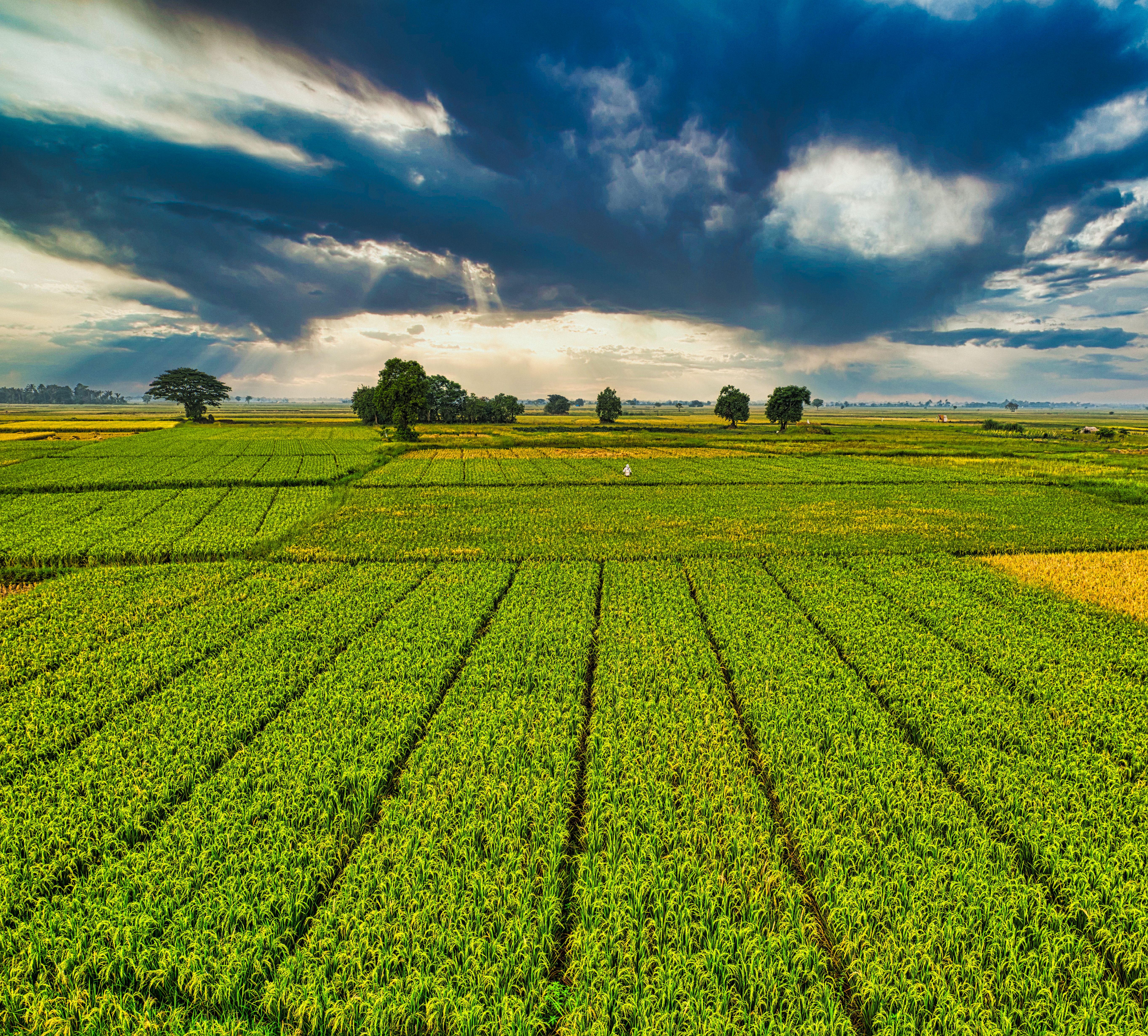
As the world faces challenges such as climate change, deforestation, water scarcity, and loss of biodiversity, the need for sustainable solutions has never been greater. While technology and innovation play an important role, one of the most effective ways to protect the planet begins with something much simpler—healthy farmland.
Farmland is more than a place where food is grown. It is a living ecosystem that supports wildlife, stores carbon, conserves water, improves soil health, and provides clean air. When managed responsibly, farmland becomes a valuable environmental asset that benefits not only today’s farmers but also future generations.
In regions like Mysore, where fertile land and favourable climatic conditions support agriculture, sustainable farming practices can help create a greener, healthier, and more resilient future.
Farmland: More Than Just Agricultural Land
Many people view farmland as a financial investment or a place to cultivate crops. While these are important benefits, farmland also provides essential ecological services that are often overlooked.
A well-managed farm can:
- Improve soil fertility
- Recharge groundwater
- Support birds and wildlife
- Reduce air pollution
- Capture carbon dioxide
- Protect native plant species
- Produce healthy food sustainably
These environmental contributions make farmland one of the most valuable natural resources we have.
Trees on Farmland Help Fight Climate Change
One of the biggest environmental benefits of farmland is its ability to support tree planting.
Trees naturally absorb carbon dioxide from the atmosphere through photosynthesis and store carbon in their trunks, branches, roots, and surrounding soil. This process helps reduce greenhouse gases that contribute to climate change.
Planting native trees and adopting agroforestry practices offers several benefits:
- Carbon storage
- Improved air quality
- Cooler farm temperatures
- Better soil stability
- Habitat for wildlife
- Protection from strong winds
A farm with healthy tree cover becomes a powerful tool for environmental conservation.
Healthy Soil Stores Carbon and Supports Life
Soil is one of the largest natural carbon reservoirs on Earth.
Healthy soil rich in organic matter captures and stores carbon while supporting millions of beneficial microorganisms, fungi, and earthworms.
Practices such as:
- Composting
- Crop rotation
- Mulching
- Organic farming
- Reduced tillage
help improve soil health while increasing its ability to store carbon naturally.
Healthy soil also produces healthier crops and requires fewer chemical inputs, making agriculture more sustainable.
Conserving Water for the Future
Water is one of agriculture’s most valuable resources.
Responsible farmland management includes techniques that reduce water wastage while improving irrigation efficiency.
Some effective water conservation methods include:
- Drip irrigation
- Rainwater harvesting
- Farm ponds
- Mulching
- Soil moisture management
- Agroforestry
These practices help preserve groundwater and ensure that future generations continue to have access to clean water for agriculture and daily life.
Farmland Protects Biodiversity
Modern urban development often replaces natural habitats with roads and buildings. Farmland, when managed sustainably, helps preserve biodiversity by providing homes for countless species.
A healthy farm supports:
- Bees
- Butterflies
- Birds
- Frogs
- Dragonflies
- Earthworms
- Native plants
- Beneficial insects
Each of these organisms plays an important role in pollination, pest control, soil improvement, and ecosystem balance.
Protecting biodiversity strengthens both agriculture and the environment.
Producing Healthy Food Naturally
As awareness about health continues to grow, consumers are increasingly seeking fresh, naturally grown food.
Sustainable farmland encourages practices such as:
- Organic farming
- Natural composting
- Biological pest control
- Mixed cropping
- Agroforestry
These approaches help produce nutritious food while reducing the environmental impact of farming.
Healthy farms lead to healthier communities.
Supporting Sustainable Rural Development
Farmland contributes not only to environmental sustainability but also to local livelihoods.
Agriculture creates employment opportunities for farmers, labourers, transport providers, nursery owners, and local businesses.
Sustainable farming also encourages:
- Rural entrepreneurship
- Agri-tourism
- Farm stays
- Local food production
- Community development
By investing in responsible agriculture, we help strengthen rural economies while preserving natural resources.
Teaching Future Generations About Nature
Farmland is one of the best places for children and families to experience nature firsthand.
Instead of learning about plants and wildlife only through books, they can observe:
- Butterflies pollinating flowers
- Bees collecting nectar
- Birds building nests
- Earthworms improving soil
- Trees producing fruits
- Seasonal farming activities
These experiences foster appreciation for the environment and encourage responsible stewardship from an early age.
Sustainable Farming is an Investment in the Future
Today’s farming decisions affect tomorrow’s environment.
Practices like excessive chemical use, deforestation, and poor water management can reduce farmland productivity over time.
In contrast, sustainable farming protects natural resources while improving long-term agricultural success.
Key sustainable practices include:
- Planting native trees
- Conserving water
- Building healthy soil
- Encouraging pollinators
- Practicing crop rotation
- Reducing unnecessary pesticide use
Small improvements made today create lasting environmental benefits for future generations.
Why Mysore is Ideal for Sustainable Farmland
Mysore offers an excellent environment for building sustainable farms.
Its moderate climate, fertile soils, seasonal rainfall, and rich biodiversity provide ideal conditions for environmentally responsible agriculture.
The region supports:
- Fruit orchards
- Agroforestry
- Organic farming
- Mixed cropping
- Native tree plantations
- Sustainable water management
These characteristics make Mysore an ideal location for farmland owners who want to combine productivity with environmental responsibility.
A Legacy Beyond Financial Returns
Owning farmland is not just about cultivating crops or investing in land—it is about leaving behind something meaningful.
A well-managed farm provides:
- Cleaner air
- Richer soil
- Healthy ecosystems
- Safe habitats for wildlife
- Sustainable food production
- Green landscapes for future generations
This legacy extends far beyond financial returns. It reflects a commitment to preserving nature while supporting the people who depend on it.
Conclusion
Farmland has the power to shape a greener and more sustainable future. By protecting soil, conserving water, planting trees, supporting biodiversity, and adopting responsible farming practices, farmland becomes much more than an agricultural asset—it becomes a foundation for environmental conservation and community well-being.
In Mysore, where agriculture and nature have long coexisted, sustainable farmland offers an opportunity to create lasting value for both people and the planet.
At Nature N Me, we believe every farm has the potential to make a positive impact. Through thoughtful land stewardship and sustainable farming, we can grow healthy food, restore ecosystems, and leave a greener, healthier world for the next generation.