
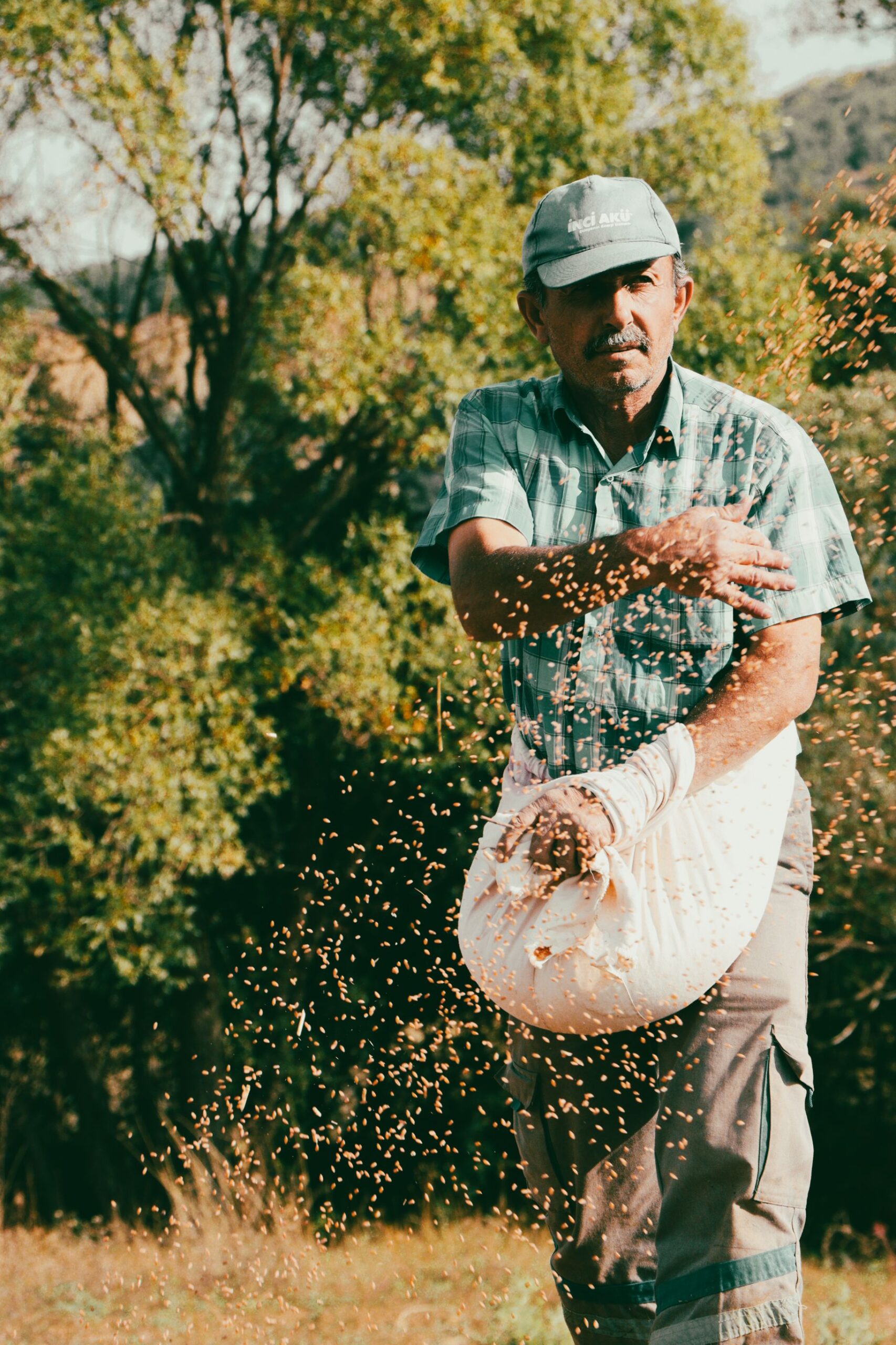
Farming is a journey that begins with a tiny seed and ends with a rewarding harvest. While the final harvest often receives the most attention, every stage of the farming cycle plays an important role in determining the quality and quantity of the produce. From preparing the soil to planting, irrigation, crop care, and harvesting, each step requires planning, patience, and a deep understanding of nature.
Mysore, with its fertile land, moderate climate, and reliable seasonal rainfall, provides excellent conditions for agriculture. Farmers in the region grow a wide variety of crops, fruit orchards, and agroforestry plantations by carefully following seasonal farming practices that have been refined over generations.
Whether you are a first-time farmland owner or simply interested in agriculture, understanding the farming cycle helps you appreciate the effort and expertise involved in producing healthy crops.
Step 1: Preparing the Land
Every successful farming season begins with proper land preparation.
Before planting, farmers clear weeds, remove stones, and loosen the soil through ploughing or tilling. This process improves soil aeration, allows roots to grow freely, and helps the soil absorb water more efficiently.
Many farmers also add organic compost or farmyard manure during this stage to improve soil fertility naturally.
Good land preparation creates the ideal foundation for healthy crop growth.
Step 2: Soil Testing and Nutrient Planning
Healthy crops require healthy soil.
Before sowing seeds, many farmers conduct soil tests to understand the nutrient levels, pH balance, and organic matter present in the land.
Soil testing helps farmers determine:
- Nitrogen levels
- Phosphorus content
- Potassium availability
- Soil acidity or alkalinity
- Organic carbon levels
Based on the results, farmers can apply compost, bio-fertilizers, or other nutrients according to the specific needs of the soil rather than using fertilizers unnecessarily.
Step 3: Choosing the Right Crop
Crop selection depends on several important factors, including climate, soil type, water availability, and market demand.
In Mysore, farmers commonly cultivate:
- Mango
- Coconut
- Banana
- Jackfruit
- Avocado
- Vegetables
- Millets
- Pulses
- Turmeric
- Bamboo
Many also adopt mixed cropping or agroforestry systems to diversify income and reduce farming risks.
Choosing suitable crops improves both productivity and long-term sustainability.
Step 4: Sowing the Seeds
Once the land is prepared, farmers begin sowing seeds or planting saplings.
The timing of planting is crucial because crops need suitable weather conditions for germination and early growth.
Proper spacing between plants ensures:
- Better sunlight exposure
- Improved airflow
- Stronger root development
- Reduced competition for nutrients
- Easier crop maintenance
Healthy beginnings often lead to healthier harvests.
Step 5: Irrigation and Water Management
Water is essential throughout the growing season.
Although Mysore receives seasonal rainfall, irrigation helps maintain consistent soil moisture, especially during dry periods.
Many farmers now use efficient irrigation systems such as:
- Drip irrigation
- Sprinkler irrigation
- Rainwater harvesting
- Farm ponds
These methods conserve water while ensuring crops receive the right amount of moisture at the right time.
Proper water management reduces wastage and supports healthy plant growth.
Step 6: Nourishing the Crops
As crops grow, they require nutrients to support healthy leaves, stems, flowers, and fruits.
Farmers improve crop nutrition through:
- Compost
- Vermicompost
- Farmyard manure
- Green manure
- Bio-fertilizers
Organic farming methods focus on enriching the soil naturally instead of relying heavily on synthetic fertilizers.
Healthy soil provides continuous nourishment throughout the growing season.
Step 7: Managing Weeds and Pests
Weeds compete with crops for sunlight, nutrients, and water, making regular weed management essential.
Farmers control weeds through:
- Manual weeding
- Mulching
- Crop rotation
- Cover cropping
Pest management is equally important.
Instead of depending solely on chemical pesticides, sustainable farms encourage natural pest control through:
- Birds
- Ladybugs
- Frogs
- Beneficial insects
- Neem-based sprays
- Biological pest management
These practices protect crops while maintaining ecological balance.
Step 8: Monitoring Crop Growth
Successful farmers regularly inspect their fields throughout the season.
Routine monitoring helps identify:
- Nutrient deficiencies
- Pest attacks
- Disease symptoms
- Irrigation issues
- Weed growth
Early detection allows farmers to solve problems before they affect crop productivity.
Modern farms may also use weather forecasts and digital monitoring tools to support timely decision-making.
Step 9: Flowering and Fruit Development
As crops mature, flowering marks an exciting stage of the farming season.
Pollinators such as bees and butterflies become especially important during this period because they transfer pollen between flowers, improving fruit formation and crop yields.
Healthy pollination results in:
- Better fruit quality
- Higher production
- Stronger seeds
- Improved biodiversity
Protecting pollinators is essential for successful farming.
Step 10: Harvest Time
Harvesting is the most rewarding stage of the farming cycle.
Farmers carefully determine the right time to harvest based on crop maturity, weather conditions, and market demand.
Harvesting too early may reduce quality, while harvesting too late can affect shelf life and market value.
Fresh produce is sorted, cleaned, packed, and prepared for transport to local markets or consumers.
For fruit orchards, harvesting often becomes an annual celebration of months of dedicated work.
Post-Harvest Care
The farming journey does not end after harvesting.
Proper post-harvest management includes:
- Cleaning produce
- Grading fruits and vegetables
- Safe storage
- Packaging
- Transportation
- Soil preparation for the next season
Many farmers also compost crop residues, returning valuable nutrients to the soil and preparing the land for future cultivation.
Sustainable Farming Throughout the Season
Modern farming is about more than producing crops—it is about protecting natural resources while ensuring long-term productivity.
Throughout the farming season, sustainable practices such as:
- Drip irrigation
- Rainwater harvesting
- Mulching
- Organic composting
- Agroforestry
- Crop rotation
- Soil conservation
help create healthier farms that benefit both people and the environment.
Conclusion
From preparing the land to harvesting the final crop, every stage of the farming season requires careful planning, knowledge, and respect for nature. Farmers in Mysore combine traditional wisdom with sustainable practices to produce healthy crops while preserving the land for future generations.
Understanding this journey helps farmland owners appreciate the value of responsible farming and the dedication behind every successful harvest.
At Nature N Me, we believe that farming is more than an agricultural activity—it is a partnership with nature. By following sustainable practices throughout the farming cycle, we can build productive farms, healthier ecosystems, and a greener future for generations to come.