
One of the first questions any serious investor asks about a managed farmland project is simple and direct: what is actually planted on the land, when does it start producing, and what will I earn? For Nature N Me‘s Mysore managed farmland project, this FAQ provides specific, honest answers.
What is the primary crop composition on Mysore plots?
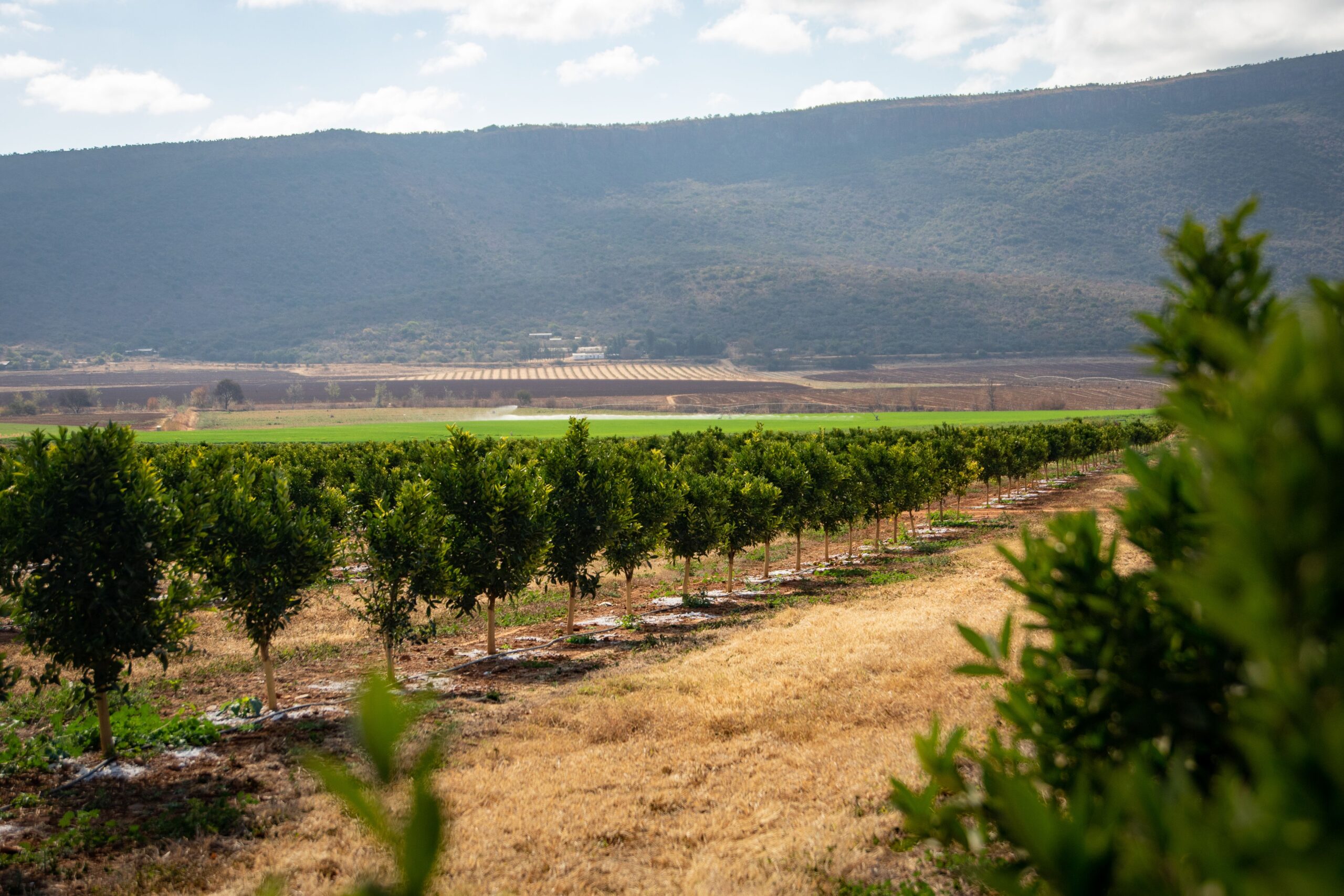
Nature N Me’s Mysore project uses an agroforestry model suited to the open agricultural belt around Mysore — different in composition from the coffee-and-spice system of Coorg, but equally thoughtfully designed for the local climate, soil, and market conditions.
The canopy and timber layer consists of silver oak (Grevillea robusta) as the primary shade and nitrogen-fixing support tree, planted at regular spacings across the estate. Teak (Tectona grandis) is planted as the primary long-term timber asset at wider spacings where it can develop full crowns without excessive competition. Where soil and water conditions support it, sandalwood (Santalum album) is incorporated as an ultra-long-term value component.
The fruit orchard layer consists primarily of mango — the dominant commercial fruit in the Mysore agricultural zone — with complementary species including sapota, guava, and in some plots, banana as an early-income bridge crop while the longer-maturing fruit trees develop.
Cornucorpus bio-fencing is used along the estate perimeter — a dense, productive boundary planting that provides natural fencing, reduces the need for costly wire fencing maintenance, and contributes a modest additional biomass income over time.
When does each crop begin producing income?
Banana (where planted as bridge crop): twelve to fifteen months from planting. First income arrives early in the investment, providing some cash return while other crops establish.
Guava (where planted): eighteen to twenty-four months from planting for commercial quantities. Relatively quick to produce and provides year-round income once established.
Mango (from grafted planting material): three to four years for first fruiting, commercial yield from year five to six. Peak production from year eight onwards, sustained through year thirty or more.
Sapota: three to four years to first commercial bearing, with steady production increasing through year seven to ten.
Silver oak: modest income from annual pruning cycles from year three onwards. Timber value from selective harvest at year fifteen to twenty.
Teak: no significant income until year fifteen to twenty when selective harvest begins — but the timber value accumulating across that period is the most significant long-term wealth component on the estate.
Sandalwood: heartwood development begins around year twelve to fifteen. Peak heartwood value at year twenty-five to thirty. The ultra-premium, ultra-patient component.
What does income look like at different stages of the investment?
In years one to three, income is modest — primarily from banana and early guava if planted, plus any minor income from agricultural activities on the plot. This is the establishment phase.
In years three to seven, fruit orchard income grows meaningfully as mango, sapota, and guava reach productive maturity. A fully productive fruit acre in this zone generates fifty thousand to one and a half lakh rupees annually from mixed fruit production.
From year eight to fifteen, the fruit orchards are at peak productivity. Silver oak pruning income continues. Combined income from a well-managed three-acre plot can reach one and a half to three and a half lakhs annually.
From year fifteen onwards, selective teak timber harvest begins adding lump-sum income events on top of continuing fruit income. The estate transitions from a pure income asset to an income-plus-lump-sum structure that continues compounding for decades.
How does this compare to Coorg’s income timeline?
Coorg’s coffee and cardamom system produces meaningful crop income faster — cardamom and pepper generate income from year two to three, and coffee is commercial from year four to five. The Mysore fruit and timber system has a longer ramp to significant annual income but a deeper long-term income and wealth profile driven by timber accumulation.
For investors seeking near-term passive income, Coorg’s crop mix delivers it earlier. For investors building a twenty-plus year wealth asset with long-term timber value alongside growing fruit income, Mysore’s composition is compelling.