
Nature N Me offers managed farmland in both Coorg and Mysore — and while the core investment model is the same (freehold agricultural land with professional management, crop income, and land appreciation), the investors drawn to each location have distinct characteristics and motivations. Understanding which profile you fit helps clarify which opportunity is the better match for your specific situation.
The Coorg Investor Profile
The quintessential Coorg farmland investor is a Bangalore professional — IT, finance, medicine, or entrepreneurship — who is drawn primarily by the combination of premium agricultural crops (specialty Arabica coffee, cardamom, pepper), the dramatic Western Ghats landscape, and the lifestyle appeal of a mist-covered estate in an ecologically rich environment. They typically have a strong appreciation for natural beauty, are comfortable with a five to six hour drive, and value the experiential dimension of farm visits as much as the financial returns.
Coorg investors tend to be environmentally conscious and interested in the ecological credentials of their investment — the biodiversity, the forest adjacency, the organic management. They are often motivated by a desire to own something genuinely distinctive — a piece of the Western Ghats that is unlike any other landscape in South India.
The Mysore Investor Profile
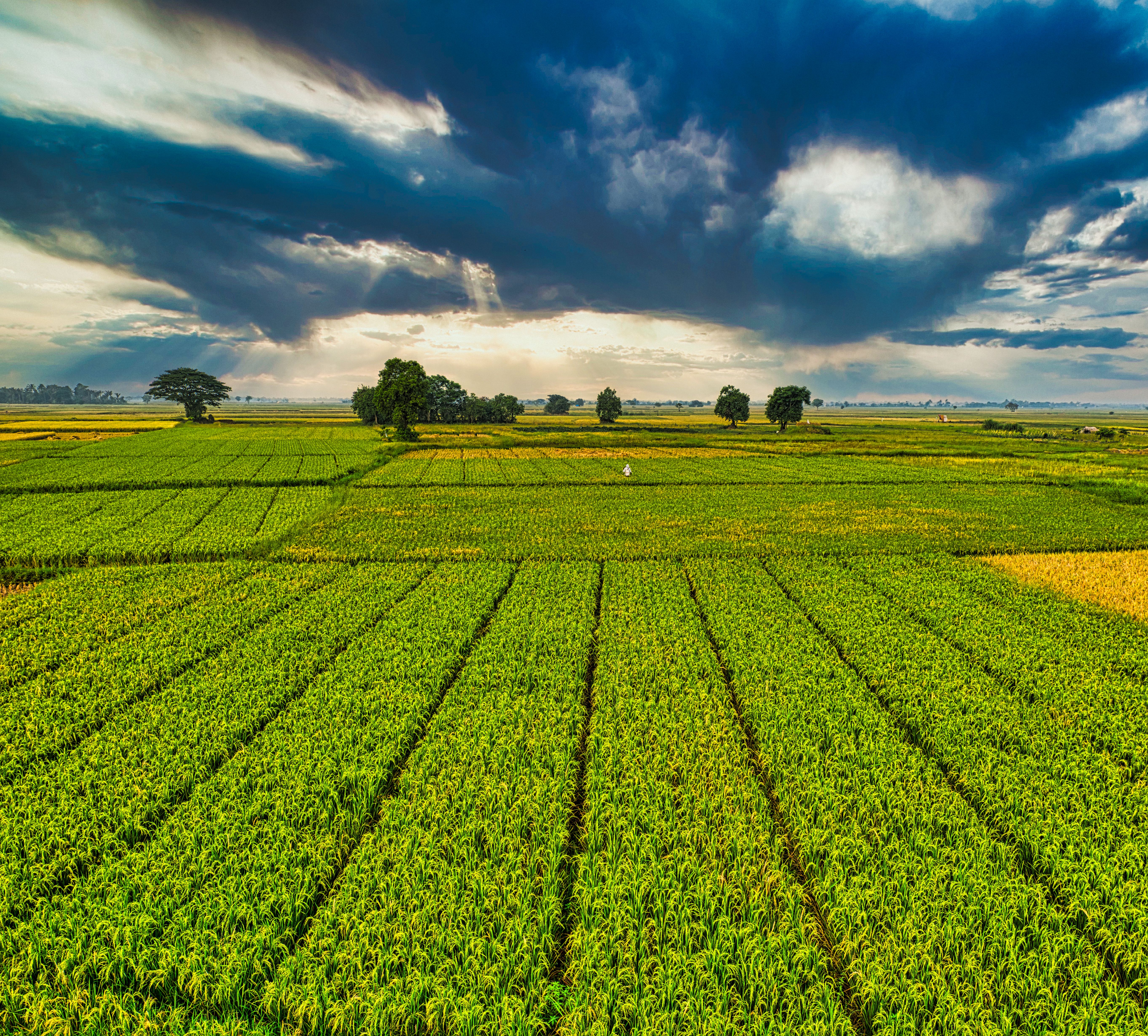
The Mysore farmland investor often has a somewhat different set of motivations. They value accessibility — the ninety-minute to two-hour drive on the expressway versus Coorg’s five to six hours is a genuine quality-of-life factor for investors who want to visit frequently or who have family members who cannot handle long mountain drives. They are drawn by Mysore’s heritage character — the cultural richness of the Palace City is a lifestyle amenity that the forest environment of Coorg does not offer.
Mysore investors are often more focused on the timber and fruit orchard income model — the open agricultural belt’s suitability for teak, sandalwood, mango, and mixed fruit orchards — than on the specific crop premiums of Coorg’s coffee and spice system. They may be slightly more patient on the income timeline — timber-anchored returns are longer-term than coffee estate returns — because they are motivated by legacy wealth building rather than near-term passive income.
Mysore farmland also attracts investors from Mysore city itself — professionals, businesspeople, and retired government employees who live in or near Mysore and want agricultural land close enough to visit regularly without travelling far. This local buyer segment is distinct from the Bangalore-centric Coorg investor community.
The Case for Owning Both
For investors with the capital and appetite, the complementary characteristics of Coorg and Mysore farmland make a portfolio across both locations genuinely diversifying. Coorg provides specialty crop income (coffee, cardamom, pepper) with Western Ghats ecological and lifestyle premium. Mysore provides timber-anchored long-term wealth creation with easier accessibility and heritage city lifestyle context. The two investments follow different income timelines, serve different lifestyle purposes, and appreciate on different demand drivers — creating a portfolio that is more resilient and more personally versatile than either investment alone.