
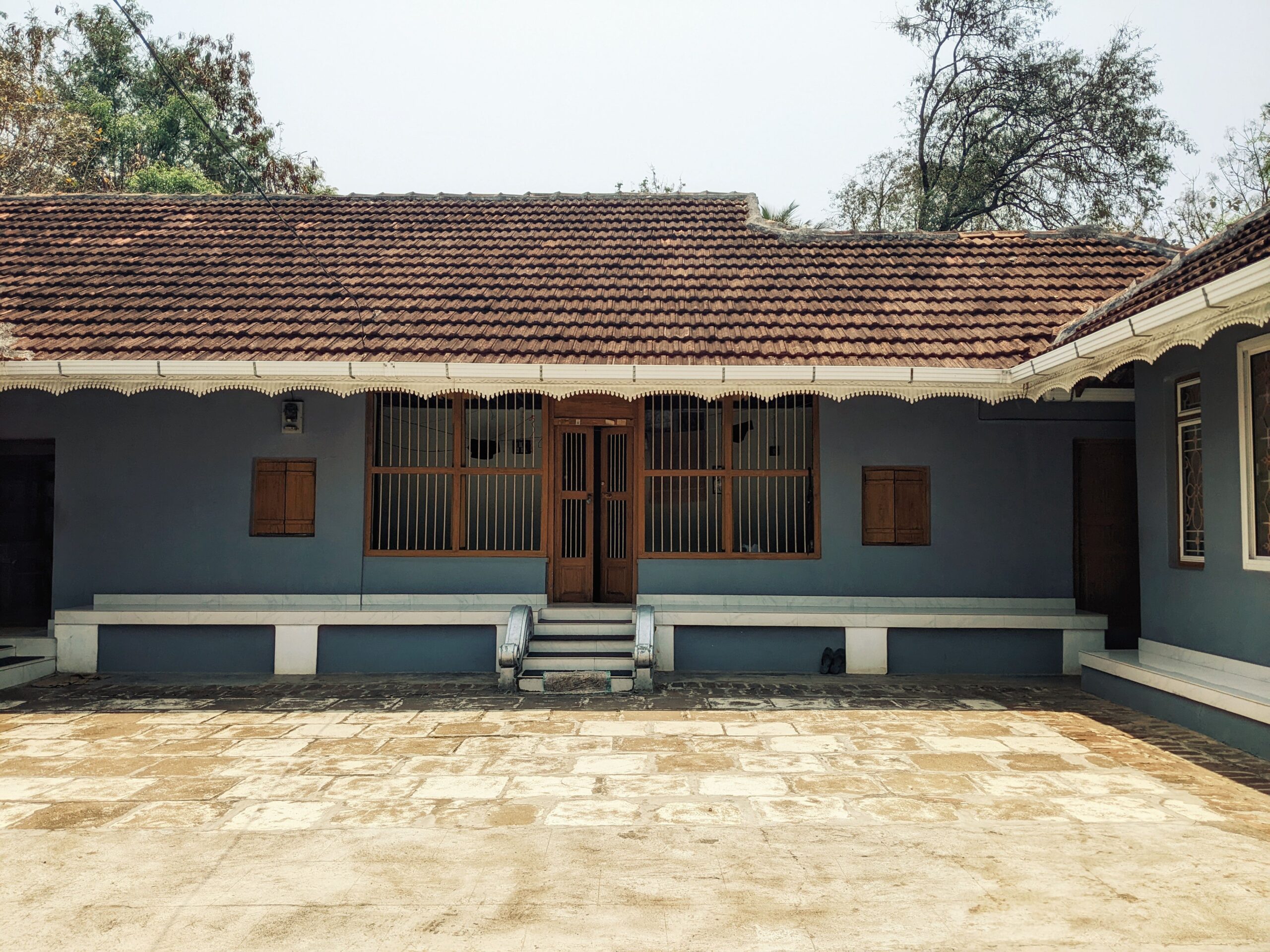
In Coorg’s property market, the terms “farmhouse” and “farmland” are frequently used loosely — sometimes interchangeably — in property listings, broker conversations, and online advertisements. This creates genuine confusion for investors trying to understand what they are being offered. This FAQ clarifies the distinction and helps investors identify which type of property suits their goals.
What is a “Coorg farmhouse” in property market terms?
In common usage in the Coorg property market, a “farmhouse” typically refers to a property that combines a residential structure (a house or cottage) with some agricultural land attached — often a small plot of half an acre to three acres surrounding the house. These properties are usually listed in residential property categories rather than agricultural land categories.
The important question for any “farmhouse” listing in Coorg is: what is the legal classification of the land, and what is the construction approval basis for the house? A farmhouse where the house has been legally constructed on a DC-converted plot with proper building permits is a legitimate residential property with an agricultural dimension. A “farmhouse” where construction has occurred on unconverted agricultural land without proper approval carries legal risk — the construction may be technically illegal regardless of how many years it has stood.
What is an agricultural farmland plot, and how is it different?
An agricultural farmland plot — the type that Nature N Me deals in — is pure agricultural land with no residential construction on it. The investment value comes entirely from the land’s productive agricultural capacity (crop income and appreciation) rather than from any structure. The investor owns the land and the crops, managed by a professional agricultural team, and derives income from agricultural produce rather than from renting a house.
The farmland plot is the appropriate purchase for an investor whose primary interest is financial return — tax-free agricultural income, land appreciation, and the portfolio diversification benefits discussed throughout this blog series. It is not the appropriate purchase for someone who primarily wants a weekend house in Coorg, though it can coexist with weekend visits.
Which should I buy — farmhouse or farmland?
The answer depends entirely on what you are trying to achieve.
If your primary goal is financial return — tax-free income, land appreciation, investment portfolio diversification — agricultural farmland is the correct asset. The agricultural income exemption applies only to income from agricultural land used for agriculture, not to income from residential or converted properties.
If your primary goal is a personal retreat and weekend destination, with financial return as a secondary consideration — a legally constructed farmhouse on properly converted land near Coorg may be more appropriate. You will not have the agricultural income tax exemption on the property income, but you will have residential accommodation that you can use freely and rent when not using it.
If you want both — financial investment and accommodation for visits — the most legally clear approach is to own both types of property separately: agricultural farmland for the investment returns, and a small residential property (either a farmhouse in town or a small plot with proper residential classification) for the accommodation.
Are there farmhouses for sale in Madikeri that make good investments?
Farmhouses near Madikeri with DC-converted land and legal construction can be reasonable investments for buyers seeking Coorg lifestyle property — the appreciation trajectory of well-located Coorg property is positive regardless of the specific asset type. However, the financial profile is different from agricultural farmland: rental income from a holiday farmhouse is taxable, the entry price per unit of accommodation is typically higher than agricultural land, and the management burden (maintaining a house, handling holiday rental guests) is more demanding than managed farmland.
For most investors asking this question, the farmland investment delivers better financial returns; the farmhouse investment delivers better lifestyle use. Both have their place depending on the investor’s priorities.
Disclaimer: The information provided in this article is for educational and informational purposes only and does not constitute legal, financial, or real estate advice. Land regulations, zoning laws, and tax exemptions in Karnataka (specifically Coorg) are subject to change. Readers and prospective investors are strongly advised to consult with certified legal experts, revenue officials, and financial advisors before making any property investment decisions.