The word agroforestry appears frequently in conversations about managed farmland in Coorg, and investors encounter it early in their research. Yet most first-time investors — urban professionals with limited agricultural background — find the term more confusing than clarifying. This FAQ answers the questions most commonly asked about agroforestry in plain language.
What does agroforestry actually mean?
Agroforestry is the intentional growing of trees, crops, and in some cases livestock together on the same piece of land, designed as an integrated system rather than separate operations. The word combines “agro” (agriculture) and “forestry” — it is essentially farming that includes trees as a deliberate structural and productive component rather than clearing trees to make way for crops.
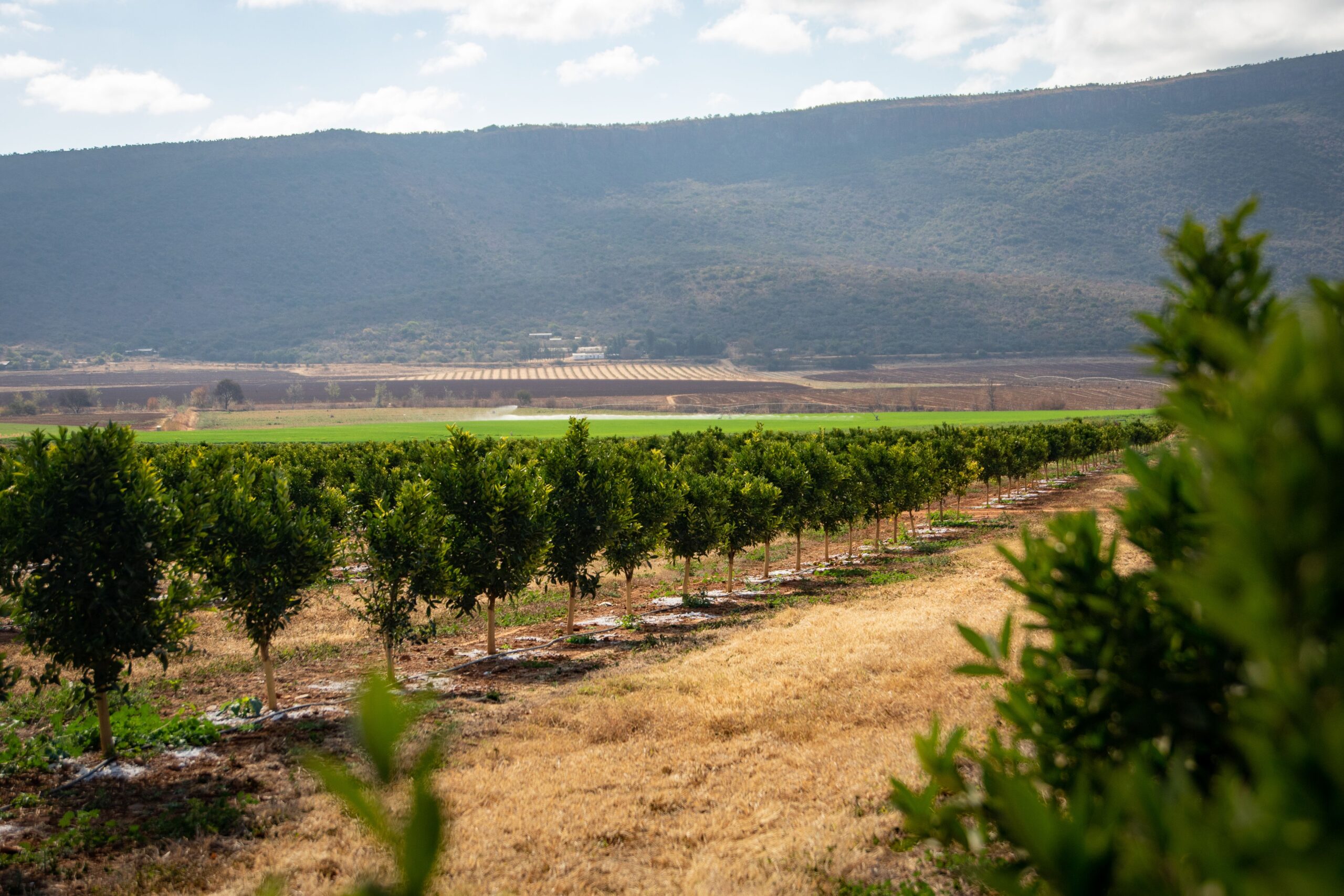
In Coorg’s context, an agroforestry farmland plot typically has a canopy layer of tall shade trees (silver oak, teak, sandalwood), a mid-layer of coffee bushes growing beneath, a ground layer of cardamom growing in the understorey shade, pepper vines climbing the shade tree trunks vertically, and fruit trees interspersed throughout the planting. Each layer uses a different part of the available space — sunlight, soil depth, vertical height — without competing directly with the others.
Why is agroforestry better than growing one crop in rows?
Monoculture farming — growing a single crop in uniform rows across the entire land area — is more straightforward to manage but creates significant vulnerabilities. If a single pest attacks that crop, or prices fall for that commodity, or weather conditions are unfavourable for that specific crop, the entire income from the farm is affected simultaneously.
Agroforestry’s multi-crop system means different crops are affected by different weather conditions, different pests, and different commodity price cycles. Coffee prices may be low in a year when cardamom prices are high. Pepper may do poorly when it is wet but coffee does well. The combined income from multiple crops is more stable year to year than any single crop’s income would be.
Additionally, the trees in an agroforestry system provide services to the crops below — shade that moderates temperature, root systems that cycle nutrients, and canopy that maintains humidity — that improve crop quality compared to full-sun monoculture while reducing the need for expensive purchased inputs.
How many crops can one acre of Coorg agroforestry land produce?
A well-designed one-acre agroforestry plot in Madikeri can simultaneously produce Arabica coffee, black cardamom capsules, black pepper, mango or jackfruit, and building/fuel timber from silver oak or teak — five distinct income-generating outputs from one acre of land. Some plots also include vanilla vines, avocado trees, or pineapple as intercrop additions, taking the number of income streams higher.
This multi-output productivity from a single land area is one of the primary financial advantages of agroforestry over monoculture investment in agricultural land anywhere in India.
Does agroforestry require more management than regular farming?
Not necessarily more total management, but more skilled management. Managing five crop types on the same land requires an agricultural team that understands each crop’s seasonal needs, harvest timing, and how the crops interact with each other. Poorly managed agroforestry — where one crop is allowed to dominate at the expense of others — underperforms well-managed monoculture. Well-managed agroforestry, guided by experienced agricultural teams like Nature N Me’s, outperforms monoculture on both income stability and per-acre long-term productivity.
Does agroforestry work everywhere in India?
Agroforestry principles can be applied across many Indian agricultural regions, but the specific agroforestry system that works in Coorg — with coffee as the primary crop under shade trees — depends on Coorg’s specific altitude, rainfall, humidity, and soil conditions. Attempting to replicate Coorg’s agroforestry model in a drier, lower-altitude region would not produce the same results because the crops themselves require Coorg’s specific climate to thrive.
Contact Nature N Me at naturenme.in or WhatsApp +91 98805 21637 to understand the specific agroforestry composition on available plots.