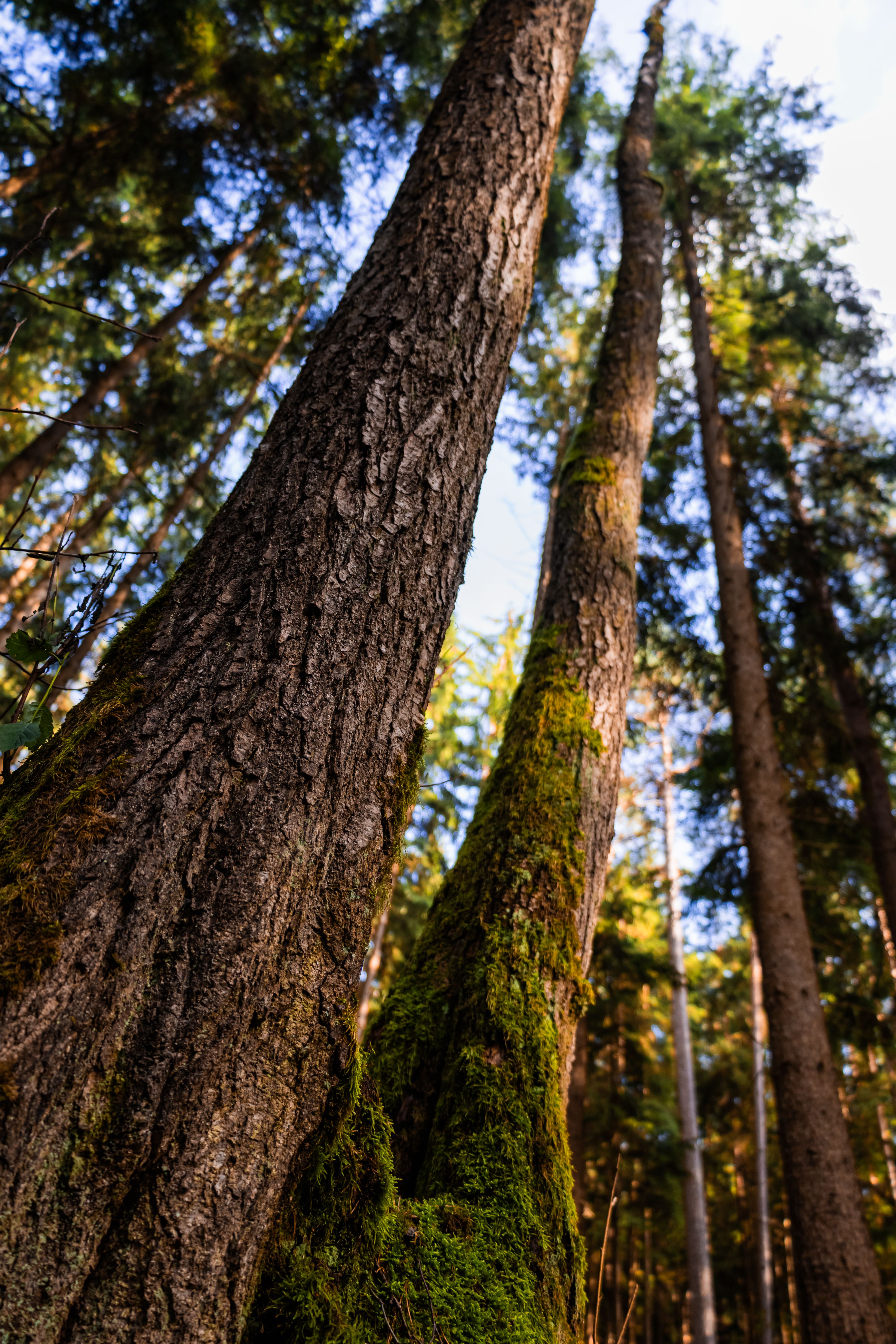
Walk through a lush coffee plantation or forest in Coorg, and you’ll likely notice soft green moss covering tree trunks, rocks, and fallen logs. While some people assume moss is harmful to trees, it is actually a natural part of a thriving ecosystem. In fact, the presence of moss often indicates clean air, healthy moisture levels, and a well-balanced environment.
Moss has existed on Earth for millions of years, quietly playing an important role in forests without demanding much attention. Though it has no flowers or deep roots, this tiny plant contributes significantly to the health of natural landscapes.
Moss Doesn’t Harm Trees
One of the biggest misconceptions is that moss damages the trees it grows on. In reality, moss is not a parasite. It does not absorb nutrients from the tree or weaken its growth.
Instead, moss simply uses the bark as a surface to anchor itself. It gathers moisture and nutrients directly from rain, dew, and the surrounding air. The tree continues to grow normally while the moss quietly coexists alongside it.
This peaceful relationship makes moss an important part of forest biodiversity.
A Natural Moisture Keeper
Moss acts like a sponge, absorbing and storing large amounts of water during rainfall. As temperatures rise, it slowly releases this moisture back into the surrounding environment.
This helps maintain humidity around tree trunks and nearby vegetation, especially during dry periods. In coffee plantations, where stable moisture levels are beneficial, moss contributes to creating a favourable microclimate.
By reducing water loss, moss supports the overall health of the ecosystem.
A Home for Tiny Forest Creatures
Although moss appears simple, it creates miniature habitats for many forms of life.
Tiny insects, spiders, mites, springtails, and microscopic organisms use moss as shelter, breeding grounds, and a source of food. These organisms, in turn, become part of the food chain, supporting birds, reptiles, and other wildlife.
A patch of moss may seem insignificant, but it is actually a bustling community of living organisms working together.
An Indicator of Clean Air
Unlike many plants, moss absorbs nutrients directly from the atmosphere instead of through roots. Because of this, it is highly sensitive to pollution.
When moss grows abundantly, it often suggests that the surrounding air is relatively clean and the environment remains undisturbed. This is one reason why forests and plantations in regions like Coorg support rich moss growth.
Its presence reflects the natural quality of the landscape.
Supporting Soil and Biodiversity
When moss eventually dies, it decomposes and adds organic matter to the soil. This improves soil structure and contributes to the natural nutrient cycle.
Combined with fallen leaves, fungi, and beneficial microorganisms, moss helps create fertile ground where trees, shrubs, and understory plants can flourish.
Healthy soil leads to healthier forests, making moss another small yet valuable contributor to sustainable ecosystems.
Appreciating Nature’s Small Wonders
It is easy to overlook moss because it grows quietly in the background. Yet its role in maintaining healthy forests is remarkable.
From storing moisture and supporting tiny wildlife to indicating clean air and enriching the soil, moss demonstrates that every organism has a purpose in nature. Protecting these delicate ecosystems ensures that forests remain vibrant and resilient for generations to come.
The next time you walk through a misty coffee plantation or forest trail, take a closer look at the green moss covering the trees. It is more than just a beautiful sight—it is a living symbol of a healthy, balanced, and thriving ecosystem.
Frequently Asked Questions
Q: Does moss harm or kill the trees it grows on?
A: No, moss is not parasitic. It uses tree bark only as a surface to attach itself and absorbs its nutrients and moisture directly from the air and rain.
Q: How does moss help maintain forest moisture?
A: Moss acts like a natural sponge, absorbing rainwater and slowly releasing moisture back into the air. This helps maintain steady local humidity, especially during dry spells.
Q: What role does moss play in supporting forest wildlife?
A: Moss creates micro-habitats that provide food, shelter, and breeding grounds for small organisms like insects, spiders, and mites, which in turn feed larger animals like birds and reptiles.
Q: Why is moss considered an indicator of clean air?
A: Because moss absorbs nutrients directly from the atmosphere without roots, it is sensitive to pollutants. High moss growth generally indicates clean air and low environmental pollution.
Q: How does moss improve forest soil quality?
A: When moss dies and decomposes, it adds valuable organic matter to the ground, enhancing soil structure and supporting the natural nutrient cycle for surrounding plant life.